The area
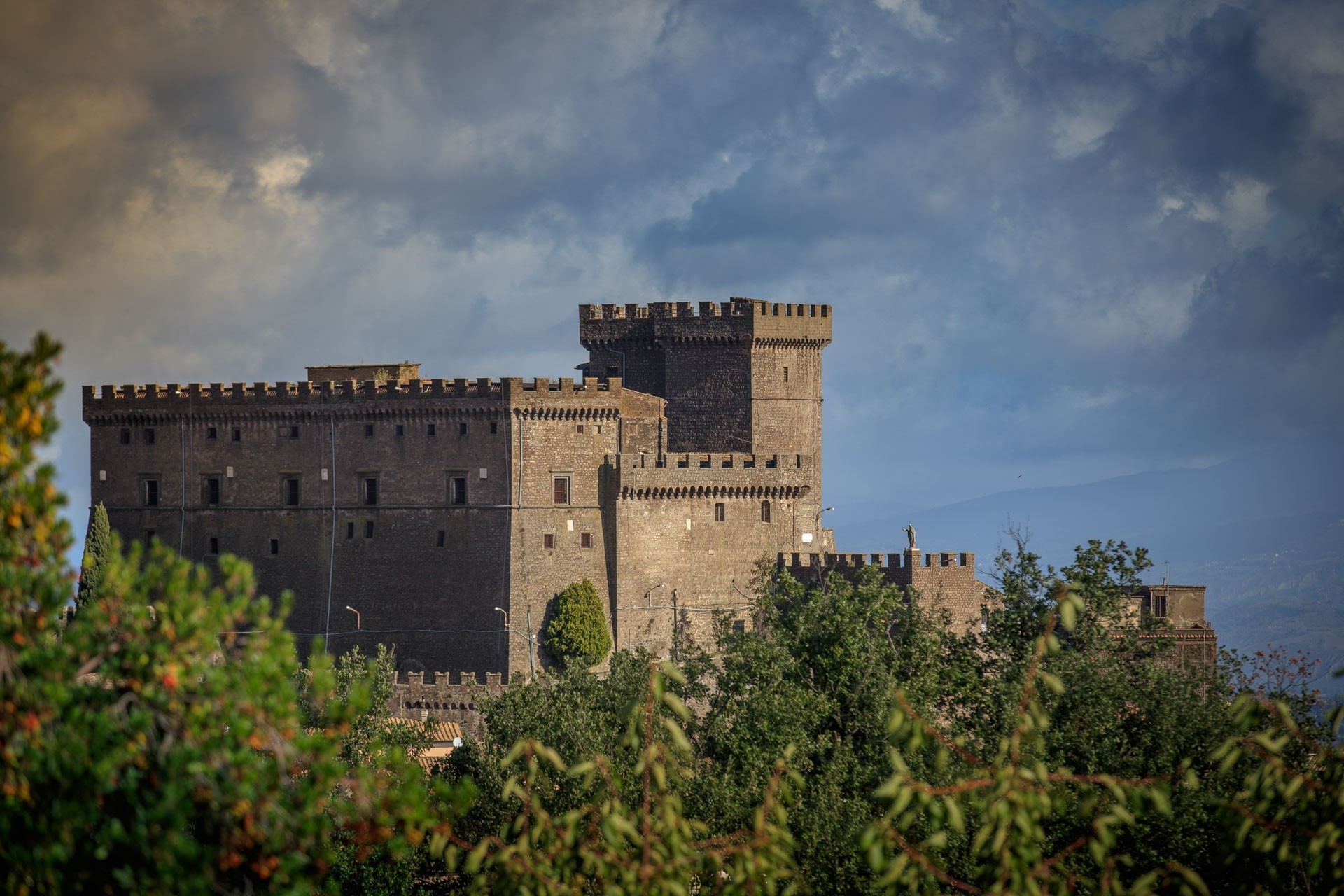
Monte Cimino is located in a territory deeply shaped by an intense, explosive volcanic activity which affected the Province of Viterbo thousands of years ago. More exactly, the fascinating geology of Cimini Mountains dates back to a period between 1.35 million and 800,000 years ago. During this time span, the acid and viscous magmas rising through the fracture originated more than 50 hills around the main mountain, that is Monte Cimino (1,053 m).
The area is also characterized by the presence of other mountains, including Monte Montalto (786 m), Monte Roccaltia (712 m), Monte Turello (626 m) and Monte S. Antonio (617 m), all with a lava dome morphology: this means that masses of very viscous magma created uplifted areas with huge circular domes on top of them.
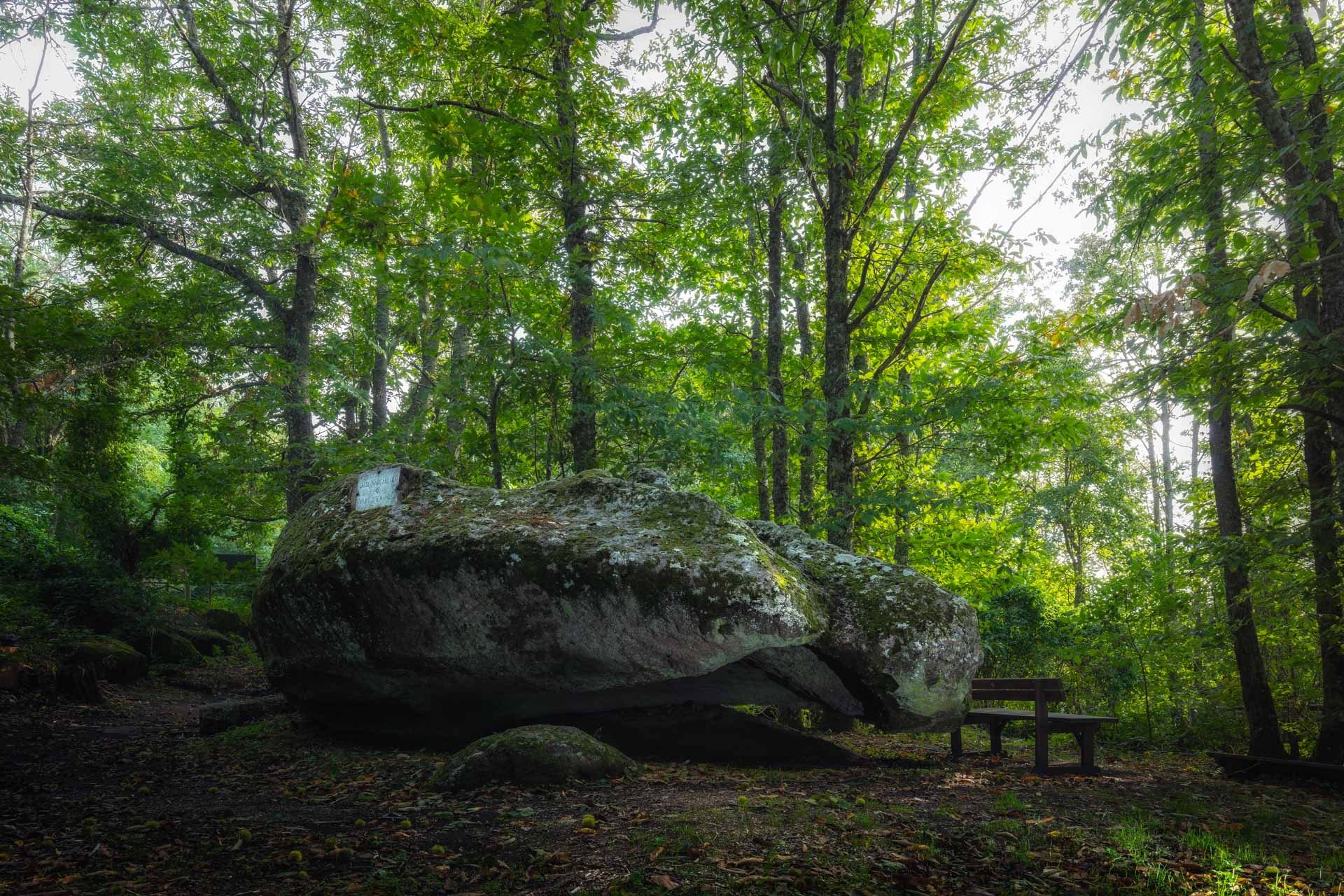
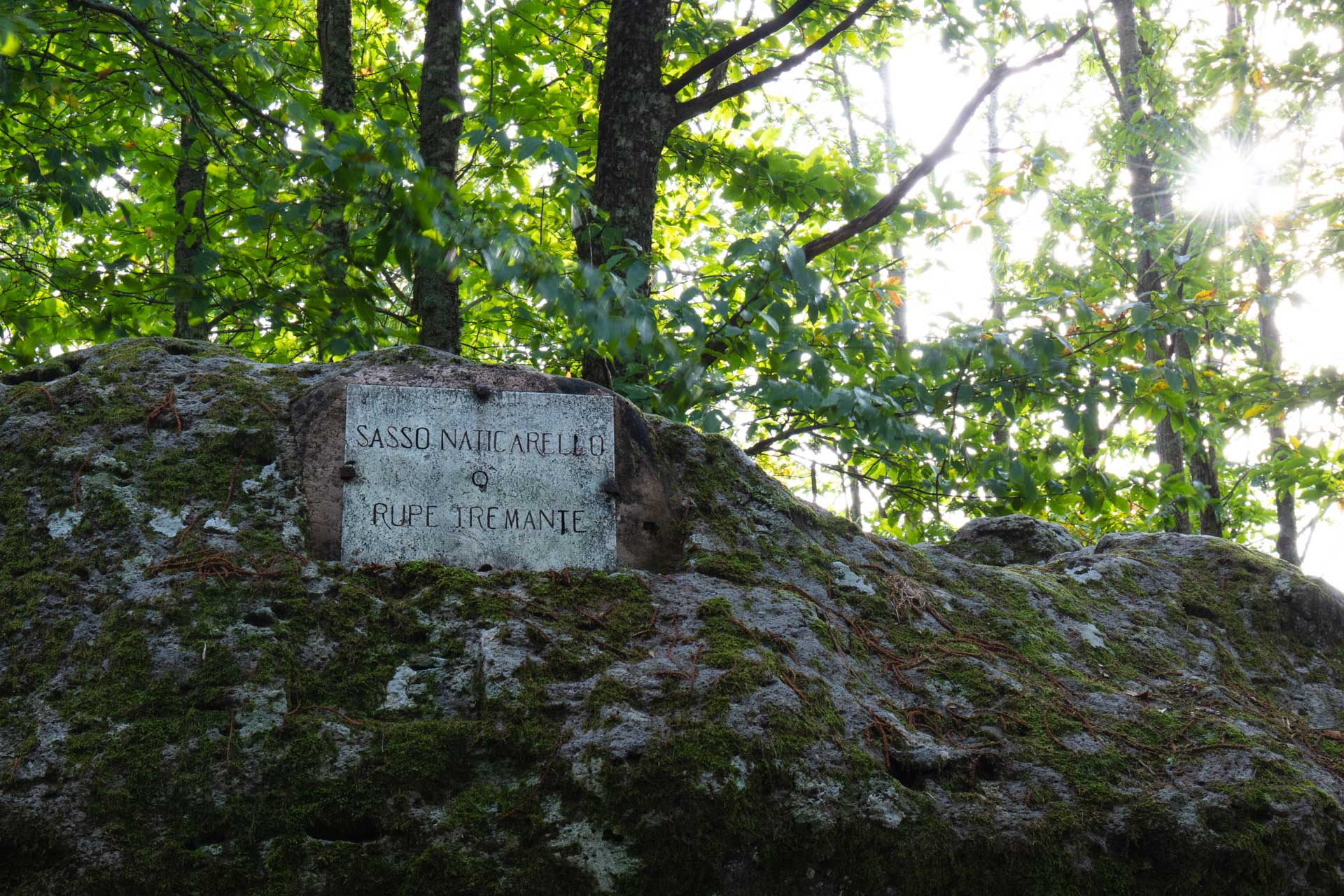
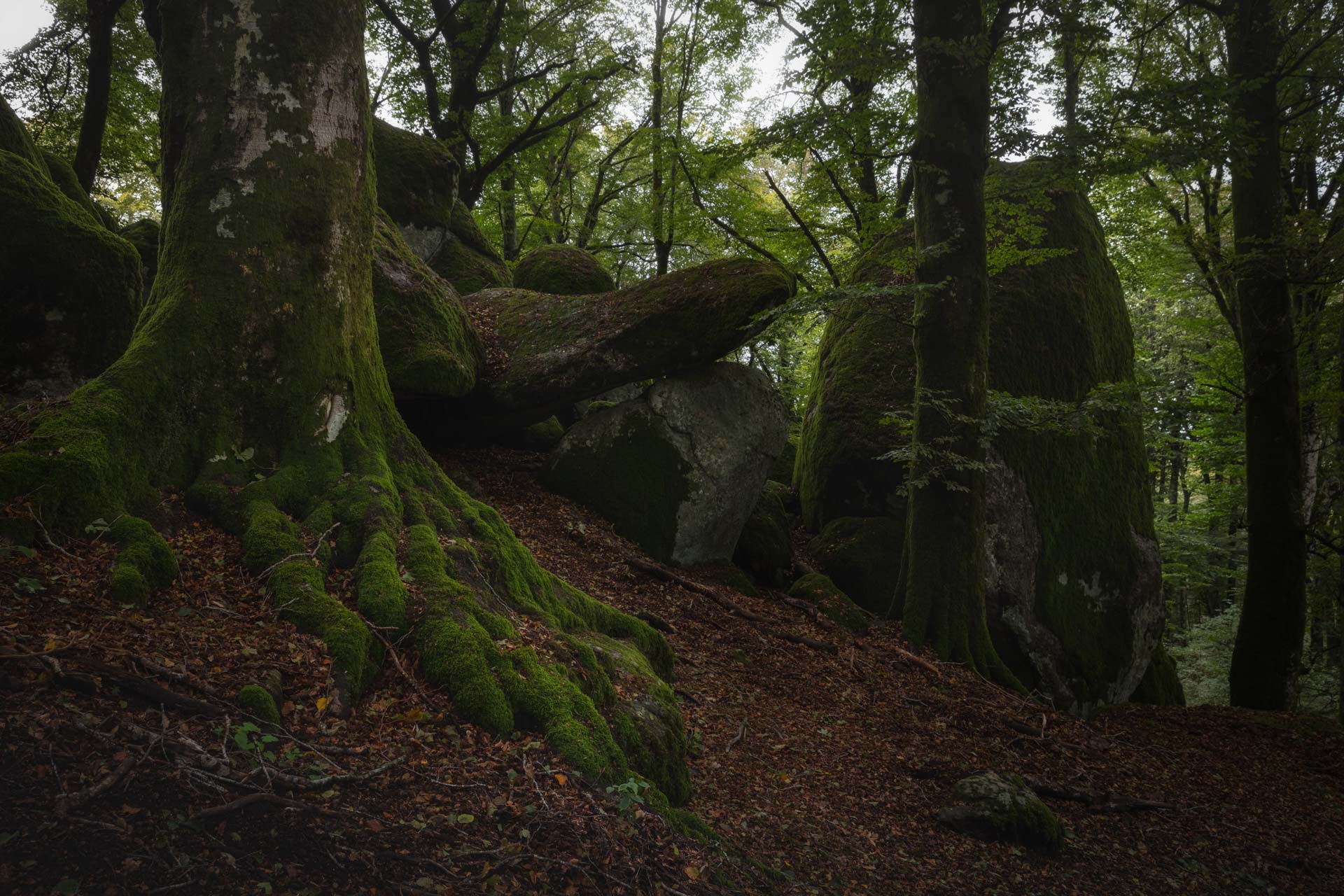
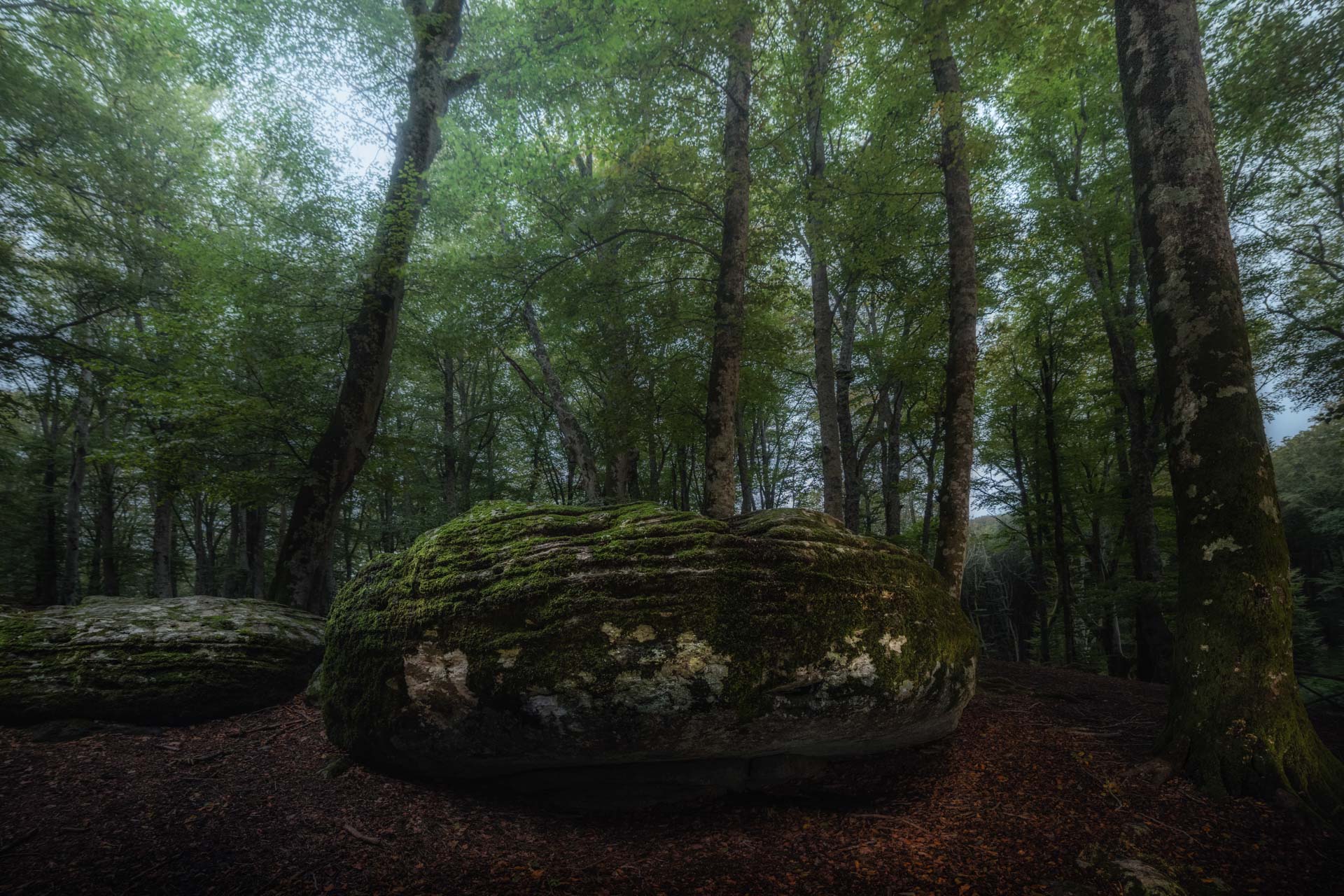
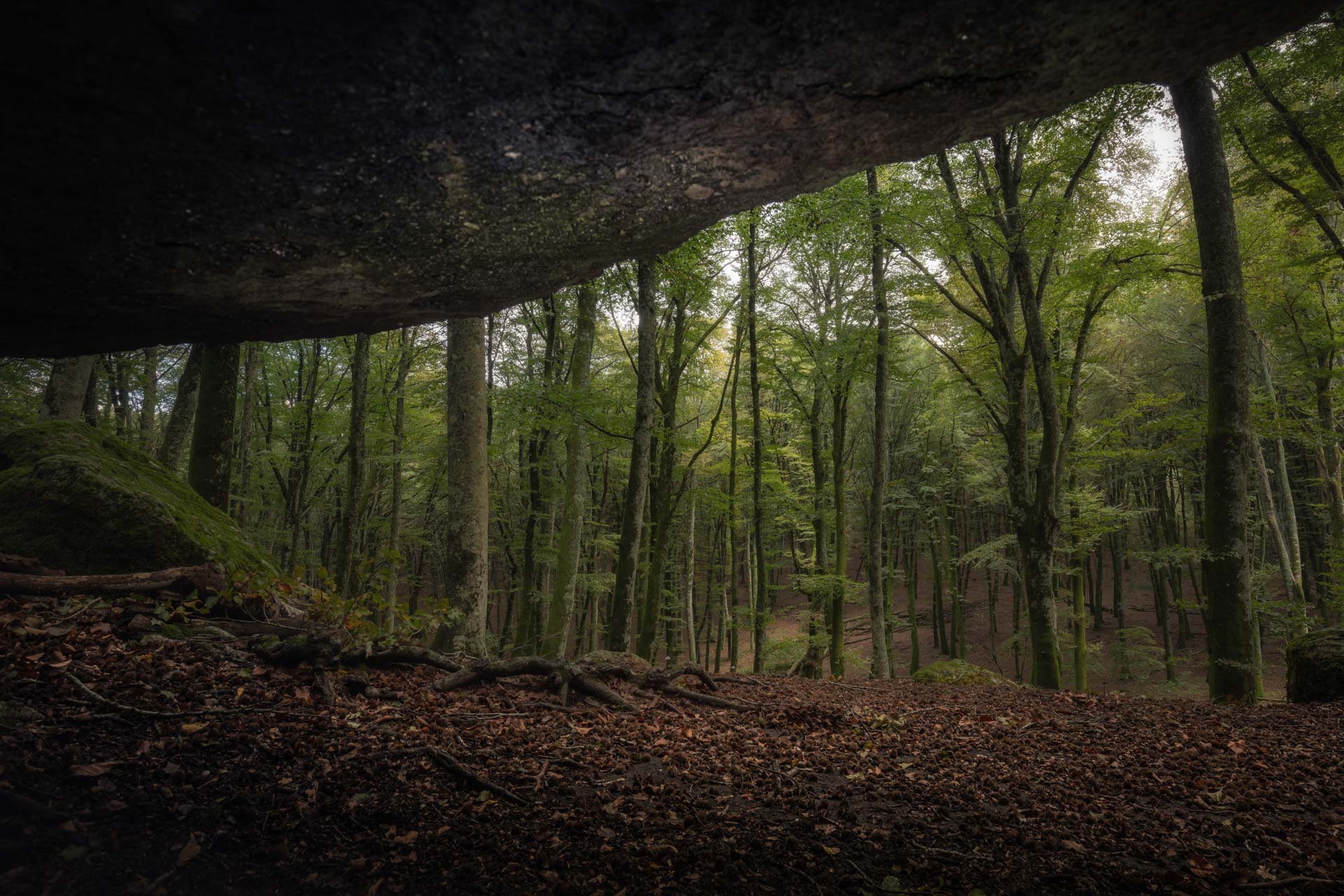
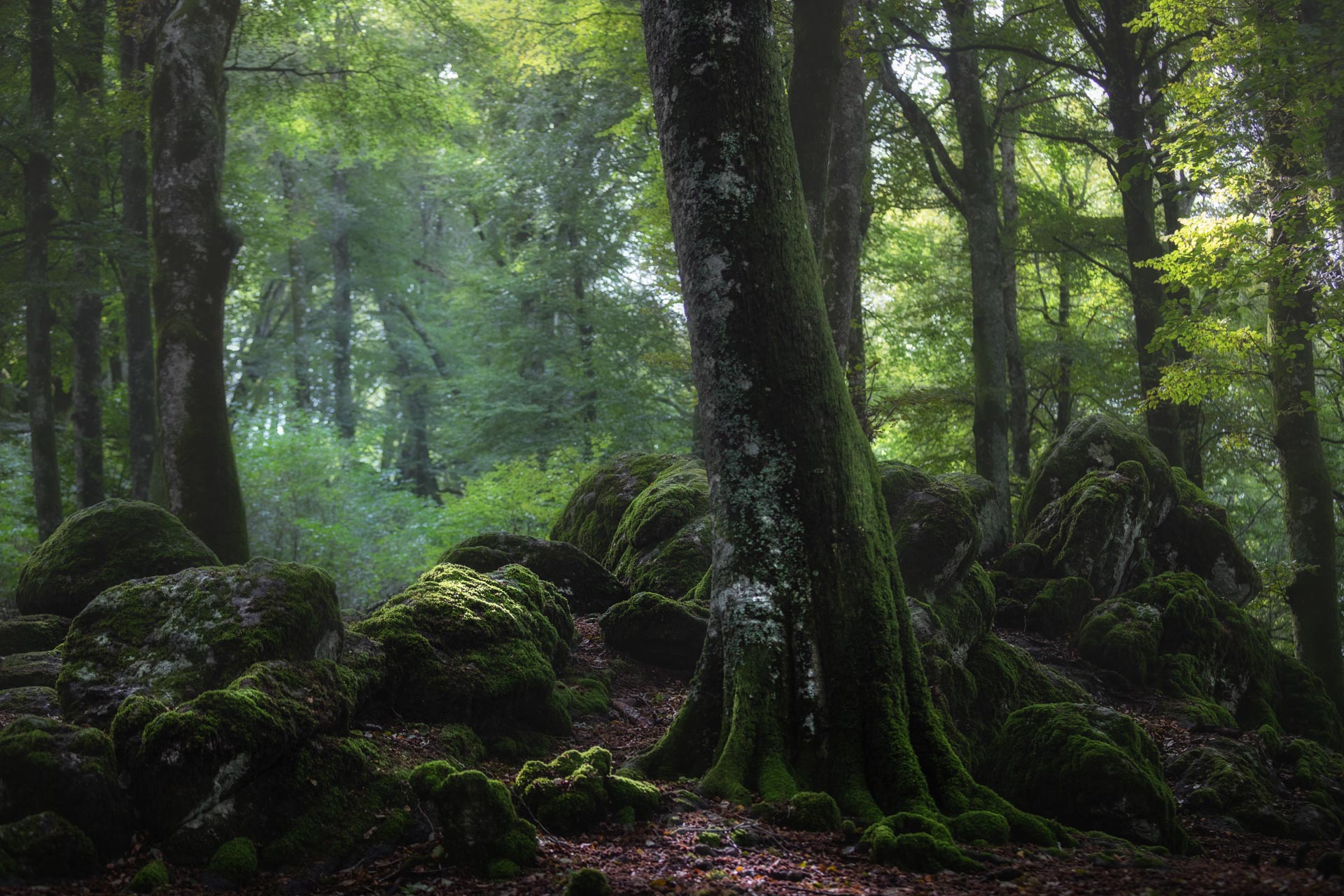
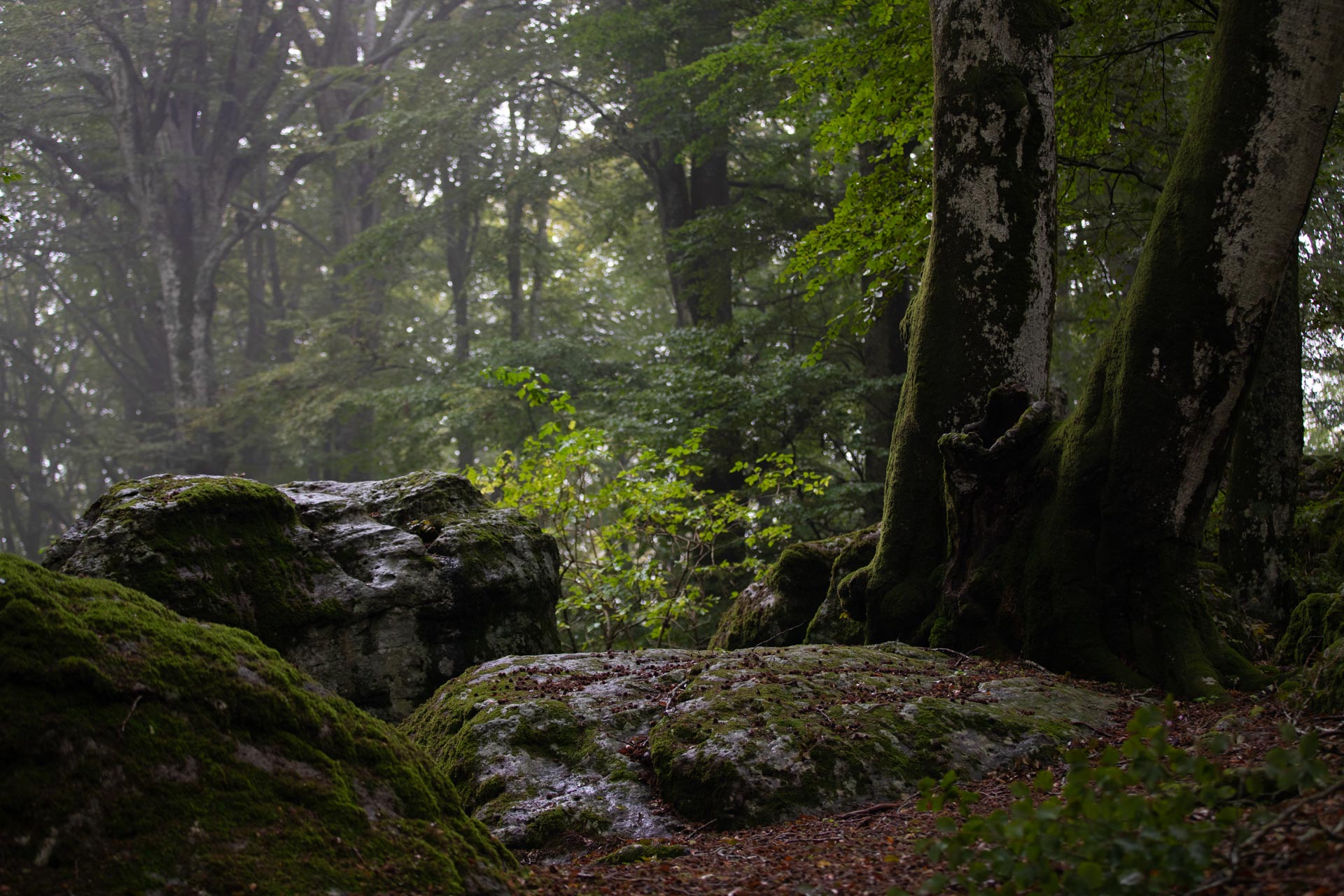
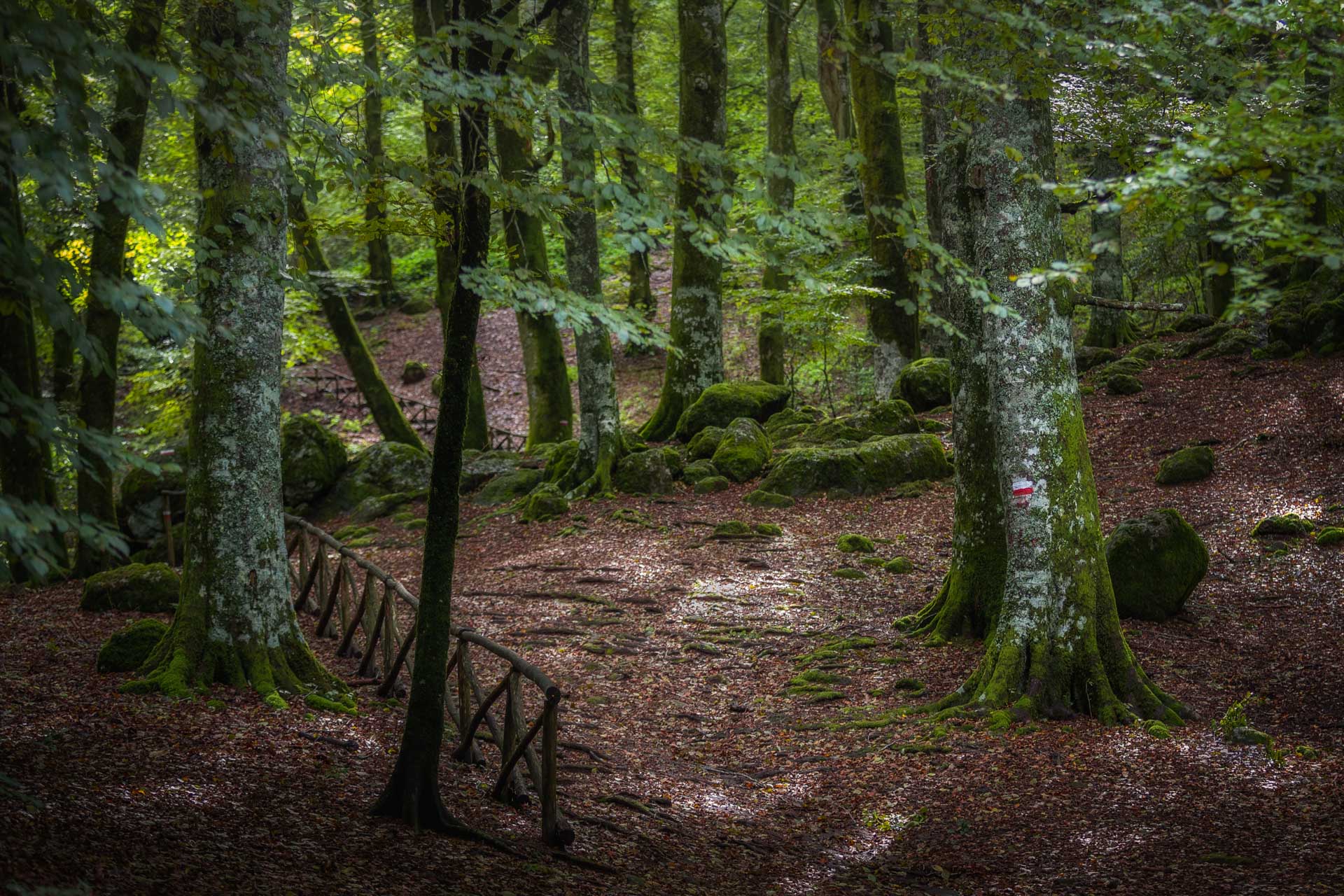
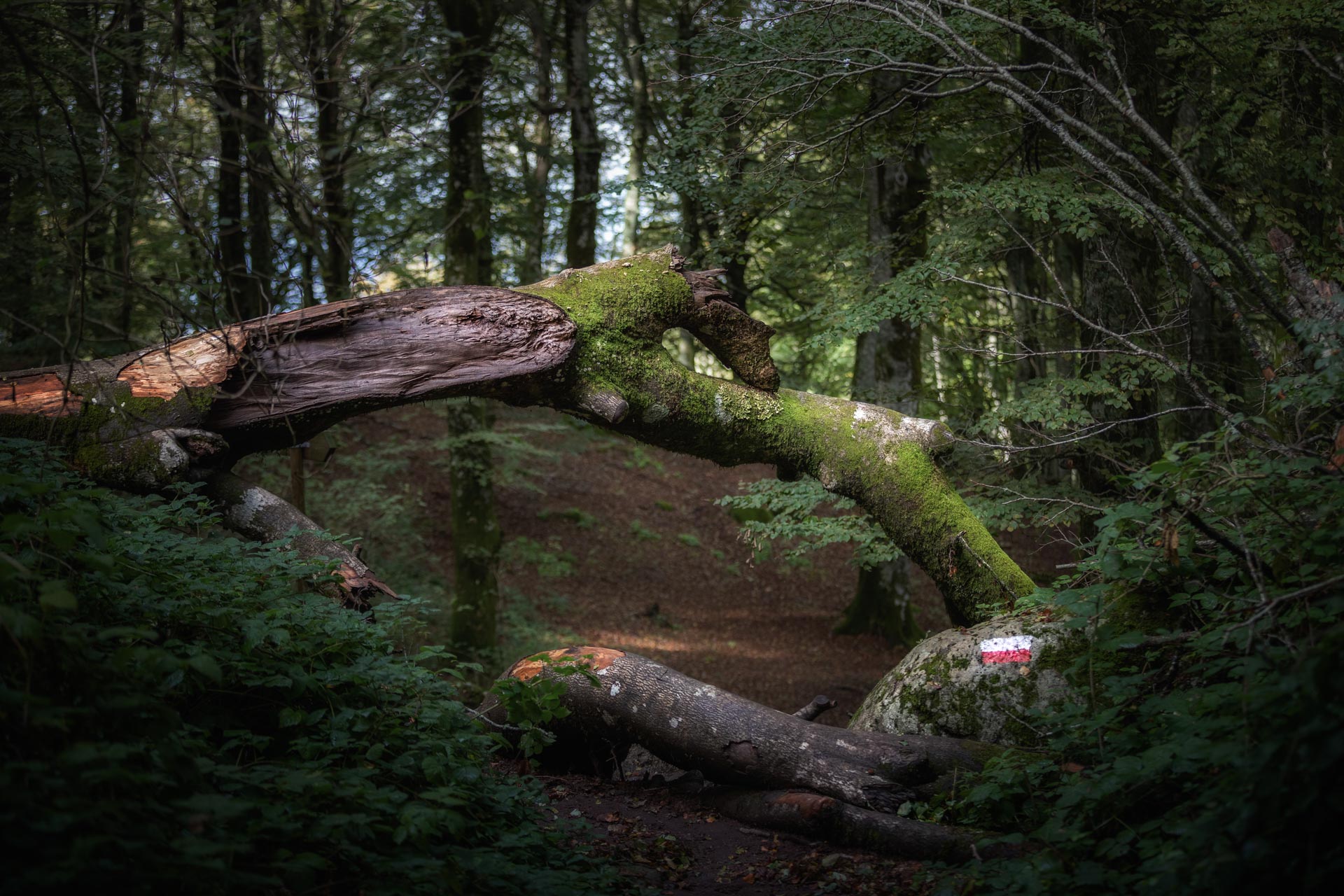
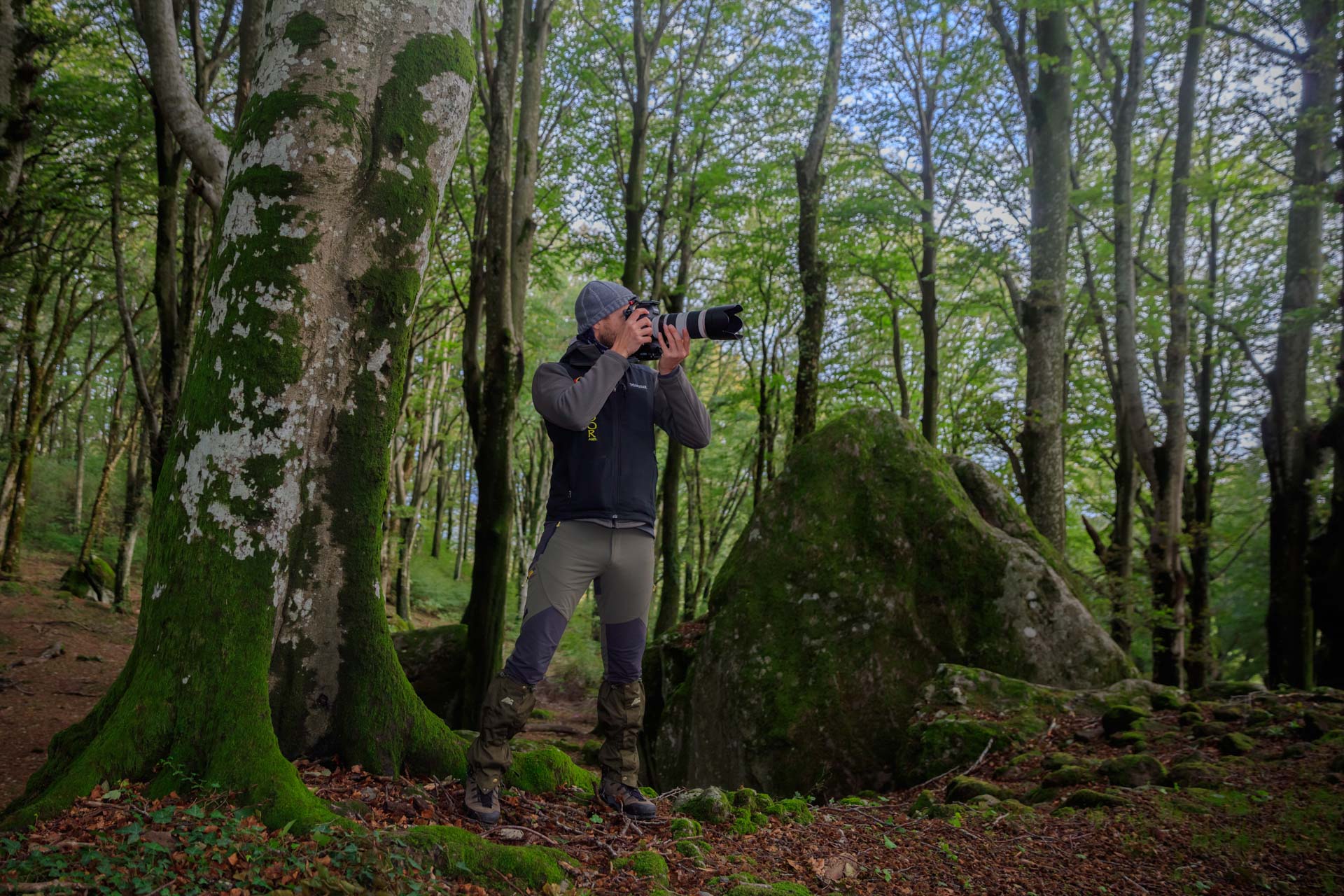
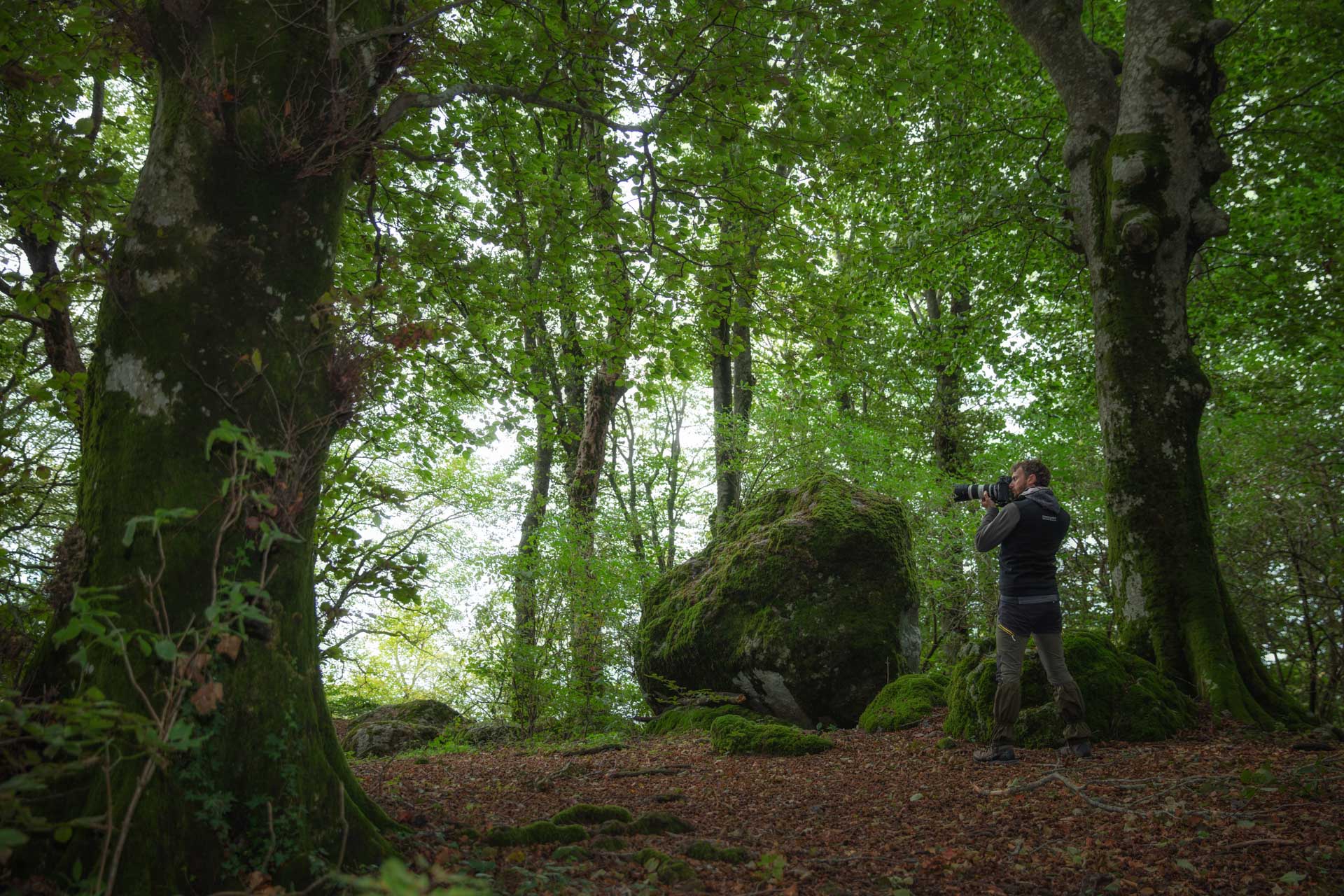
The altitude of the whole complex goes from 373 to 1,053 m, with an average height of 548 m. The intense volcanic activity is also demonstrated by the presence of rocky formations throughout the area: boulders with a volume of dozens of cubic meters are scattered everywhere, as reminders of the extraordinary geology of these mountains, as well as of the range and the intensity of the eruptions. In particular, a huge boulder of about 250 tons captures the attention of visitors on the summit of Monte Cimino. Already known by the Romans, this boulder is called “Sasso menicante” or “Sasso naticarello” (trembling or tottering stone) for its peculiar position, balancing on the bedrock.
The area of Monte Cimino, under the name of “Monte Cimino (versante nord)”, has been designated as Special Area of Conservation (SAC) and Special Protection Area (SPA) within the European ecological network of sites of Community importance called “Natura 2000”, with the aim to protect the biotope of relevant phytogeographic, nature, and historic-monumental interest present in the area.
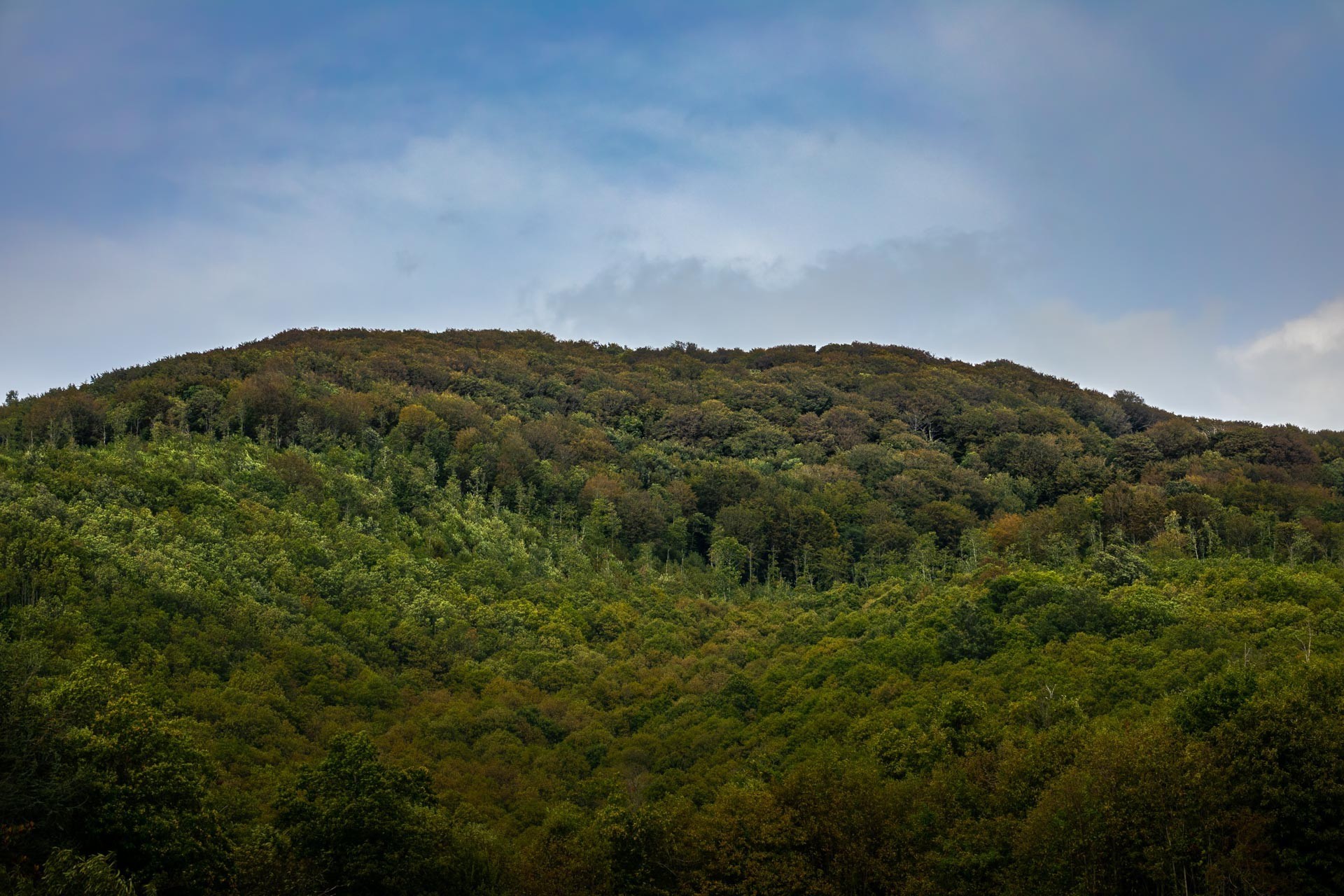
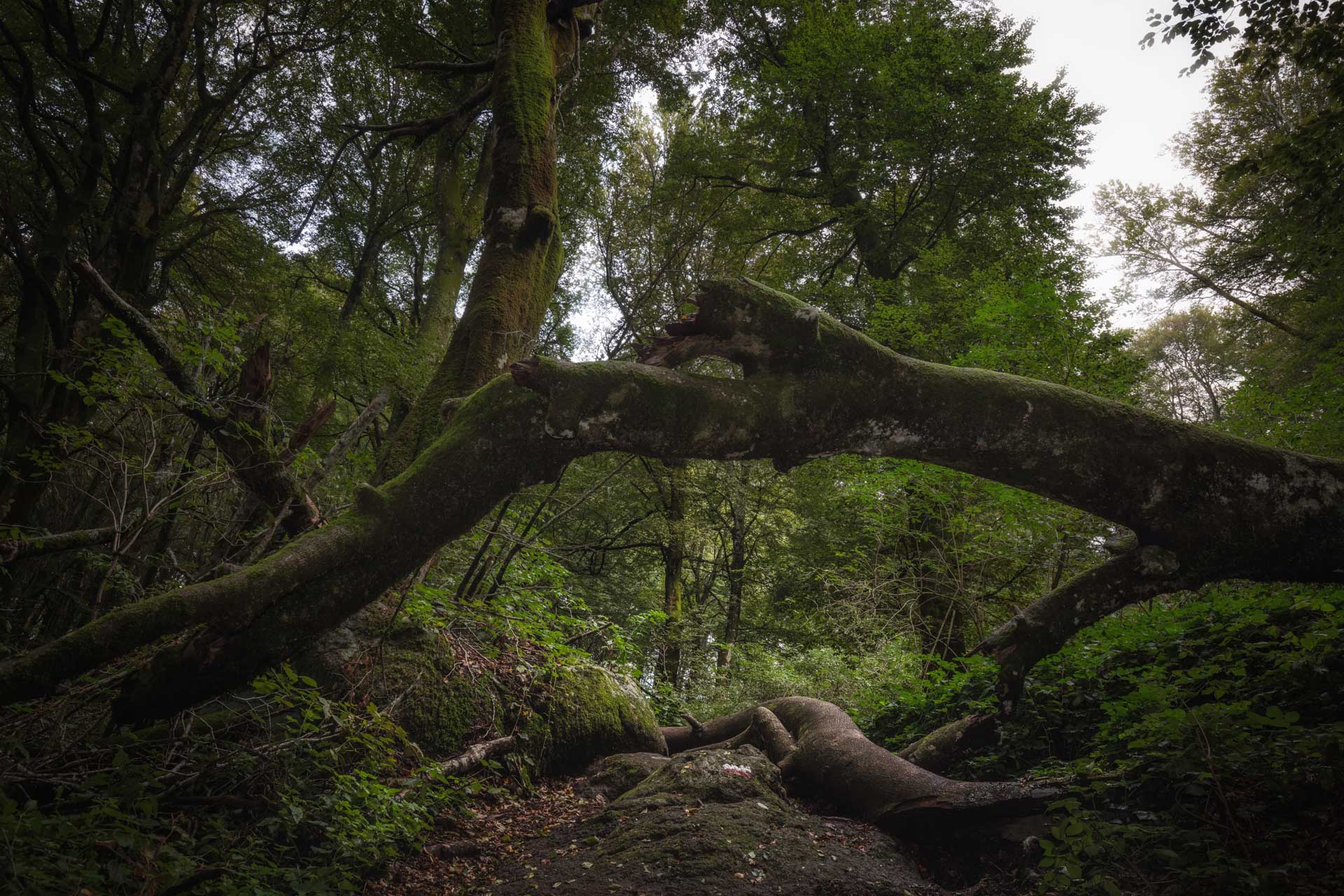
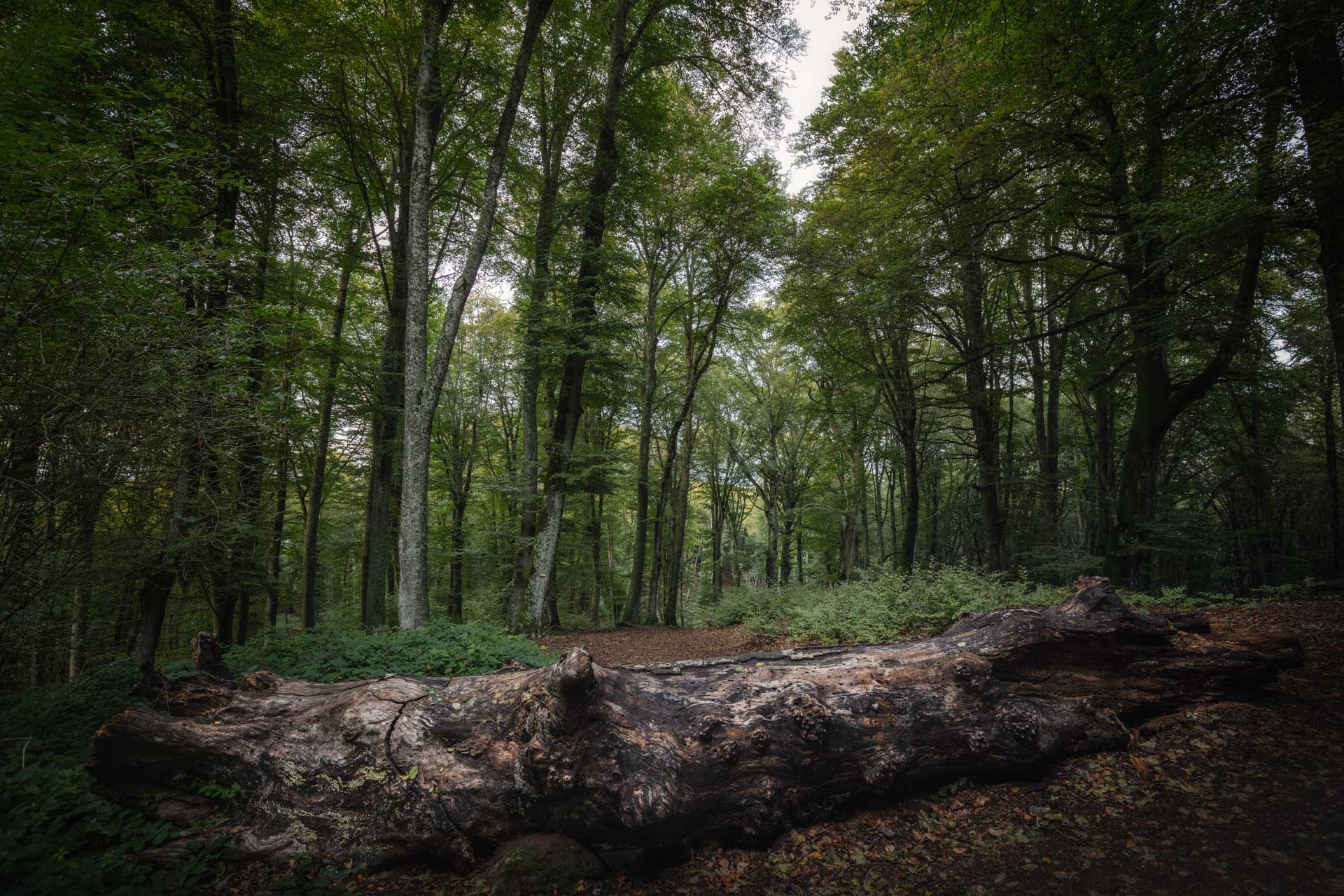
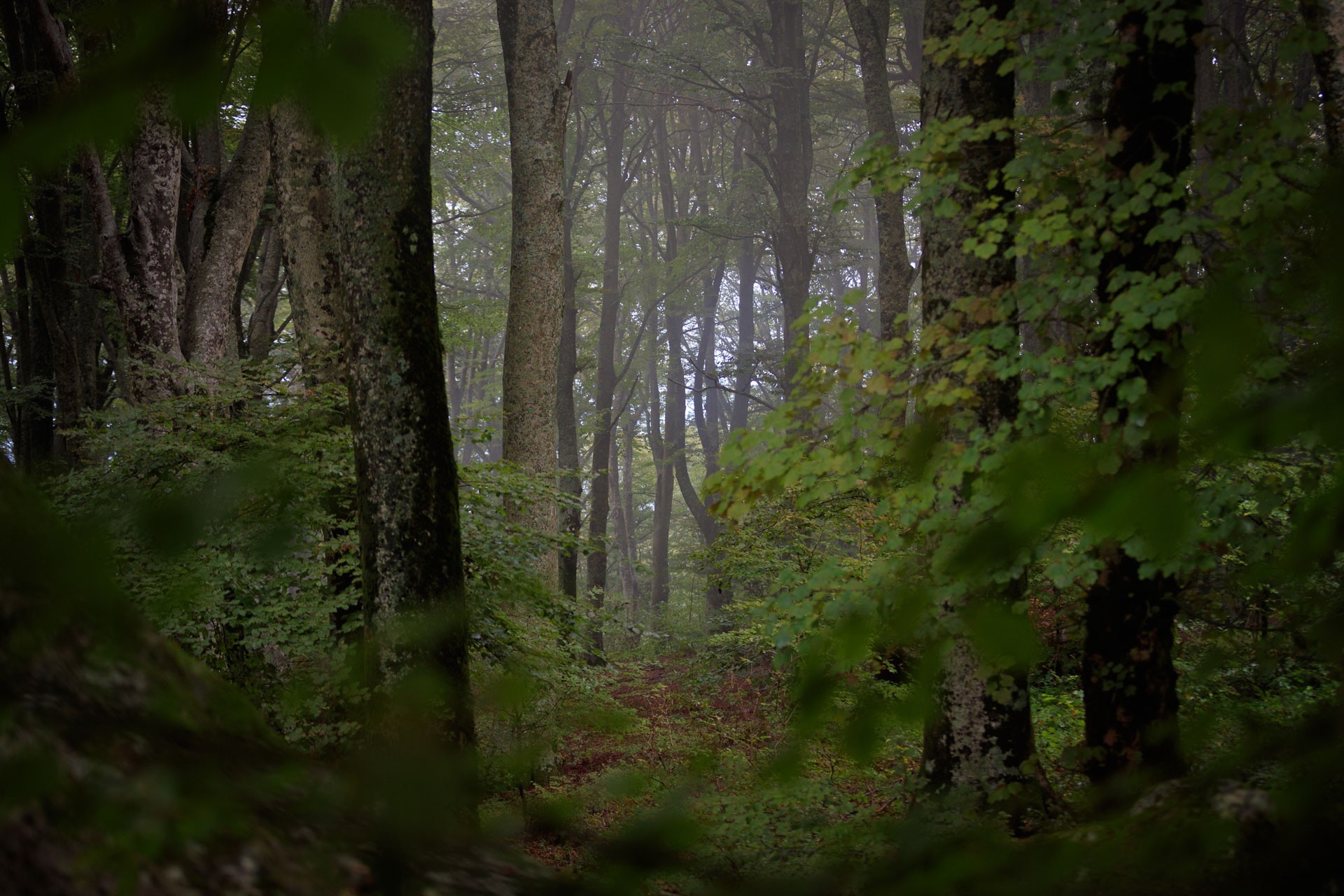
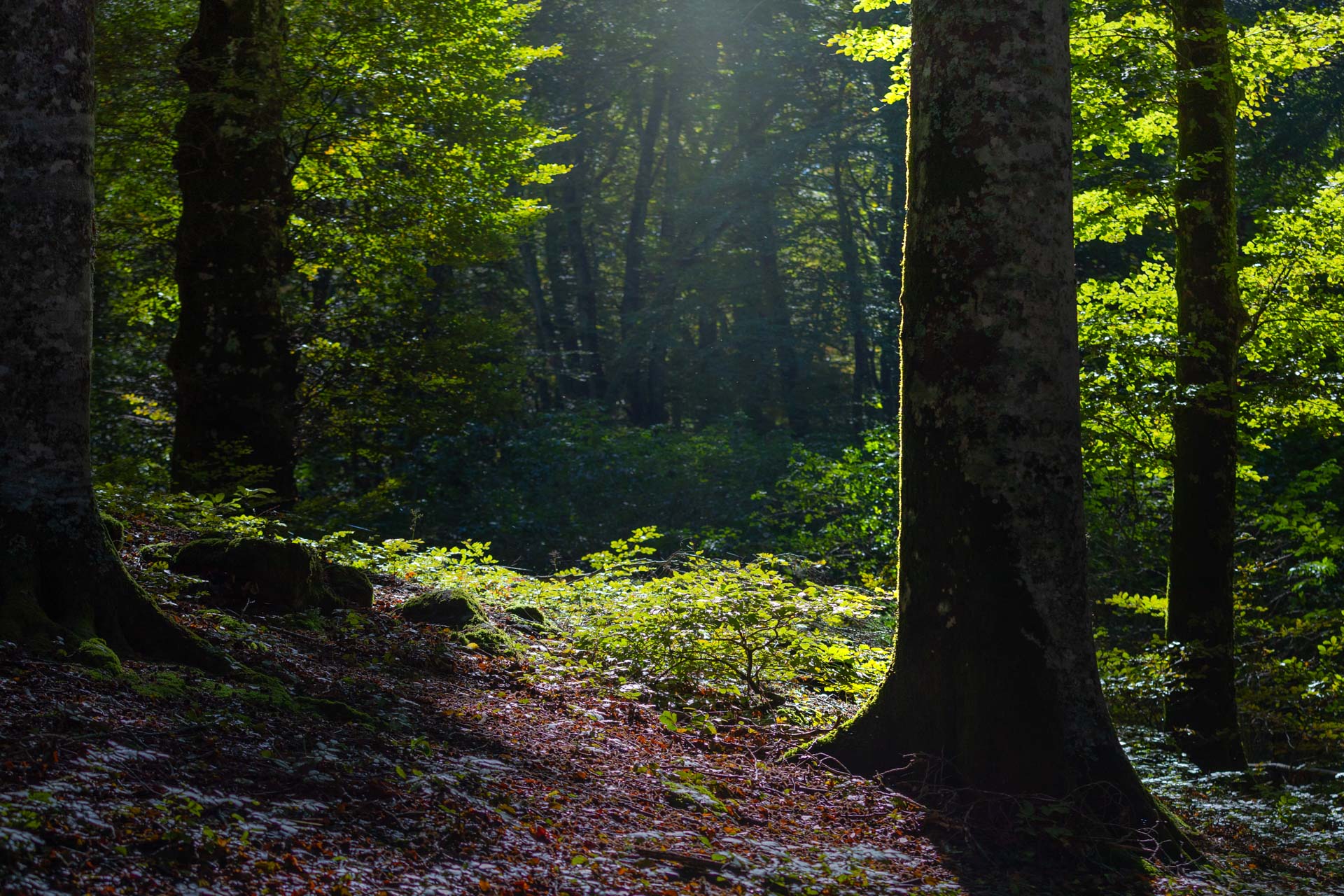
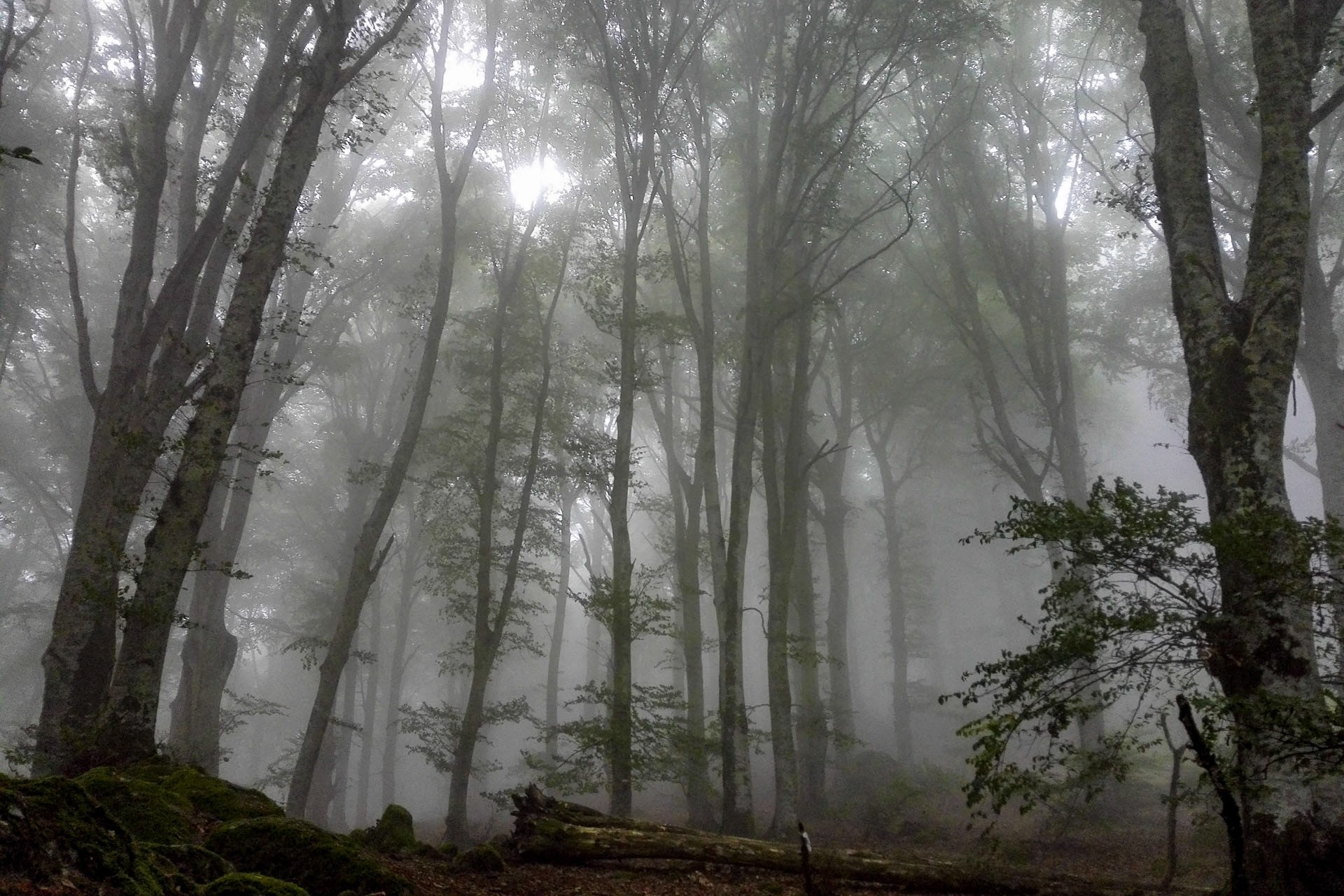
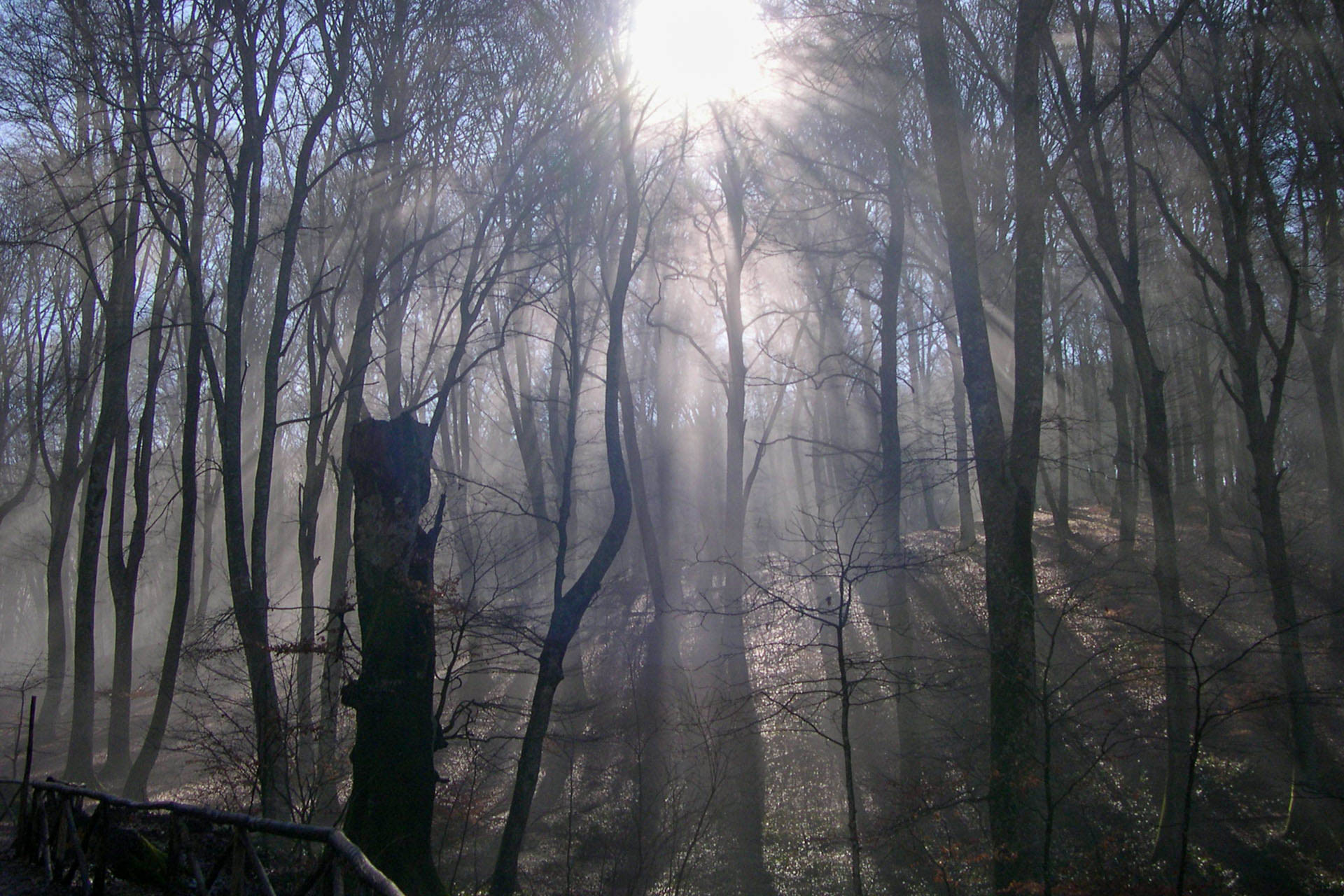
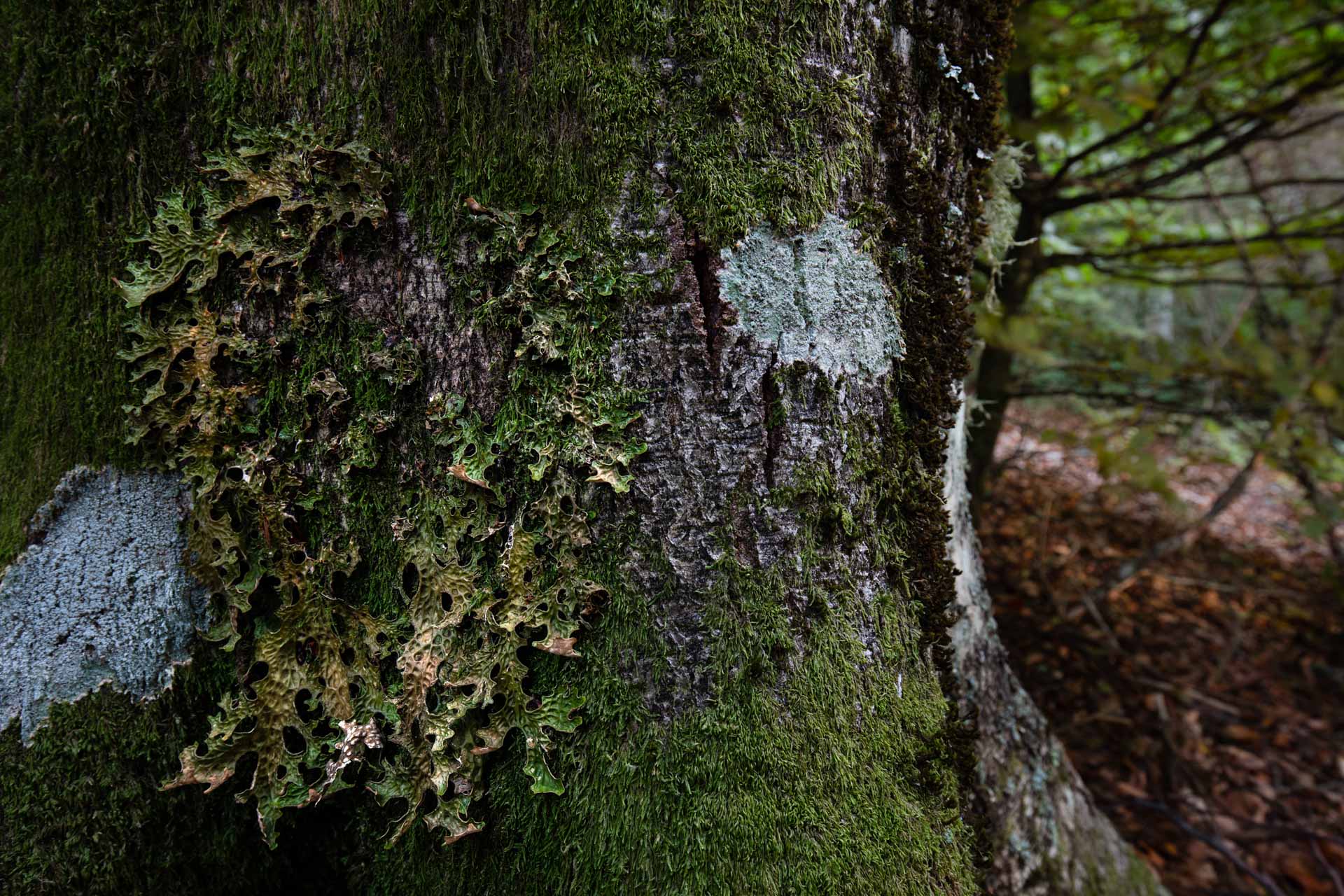
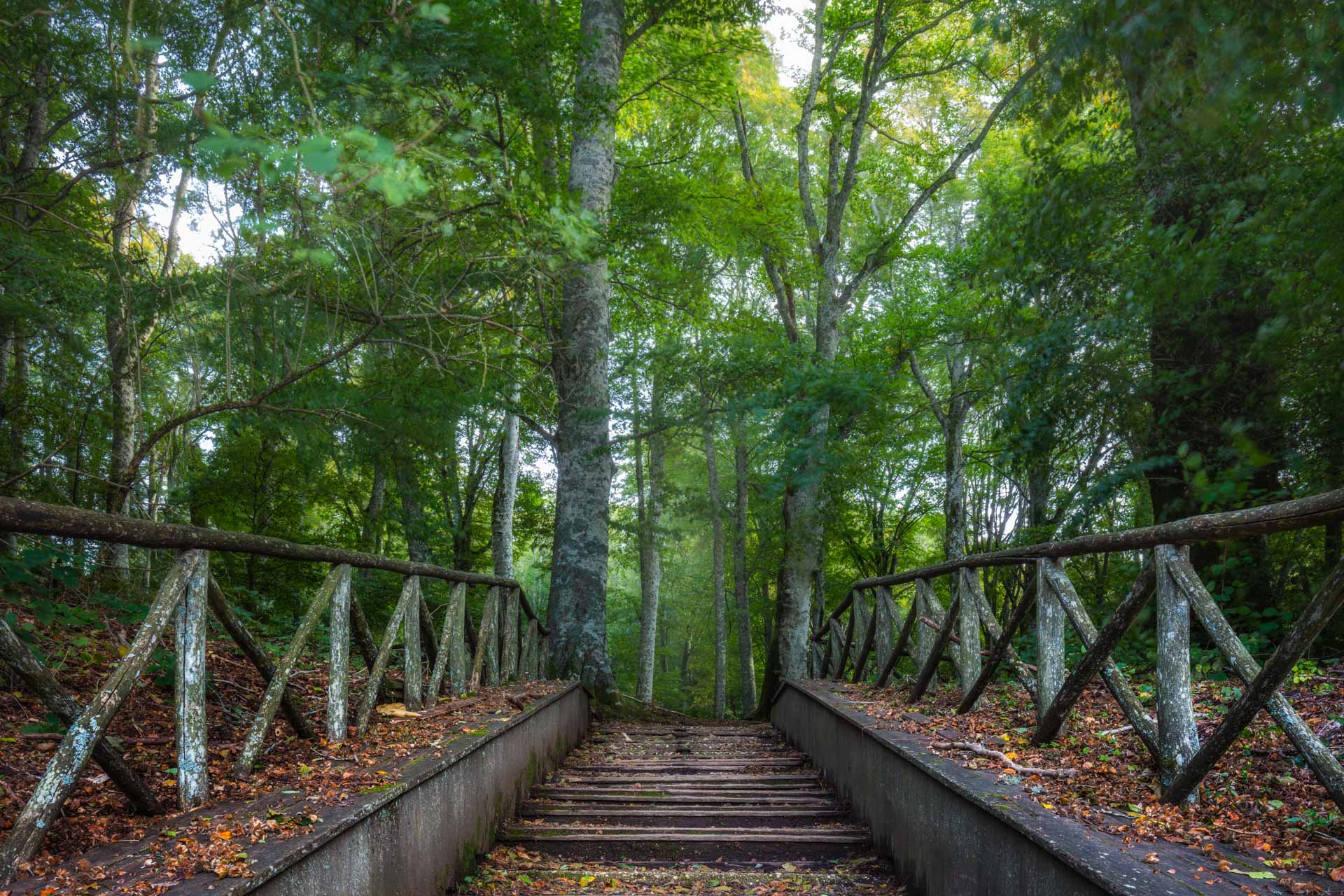
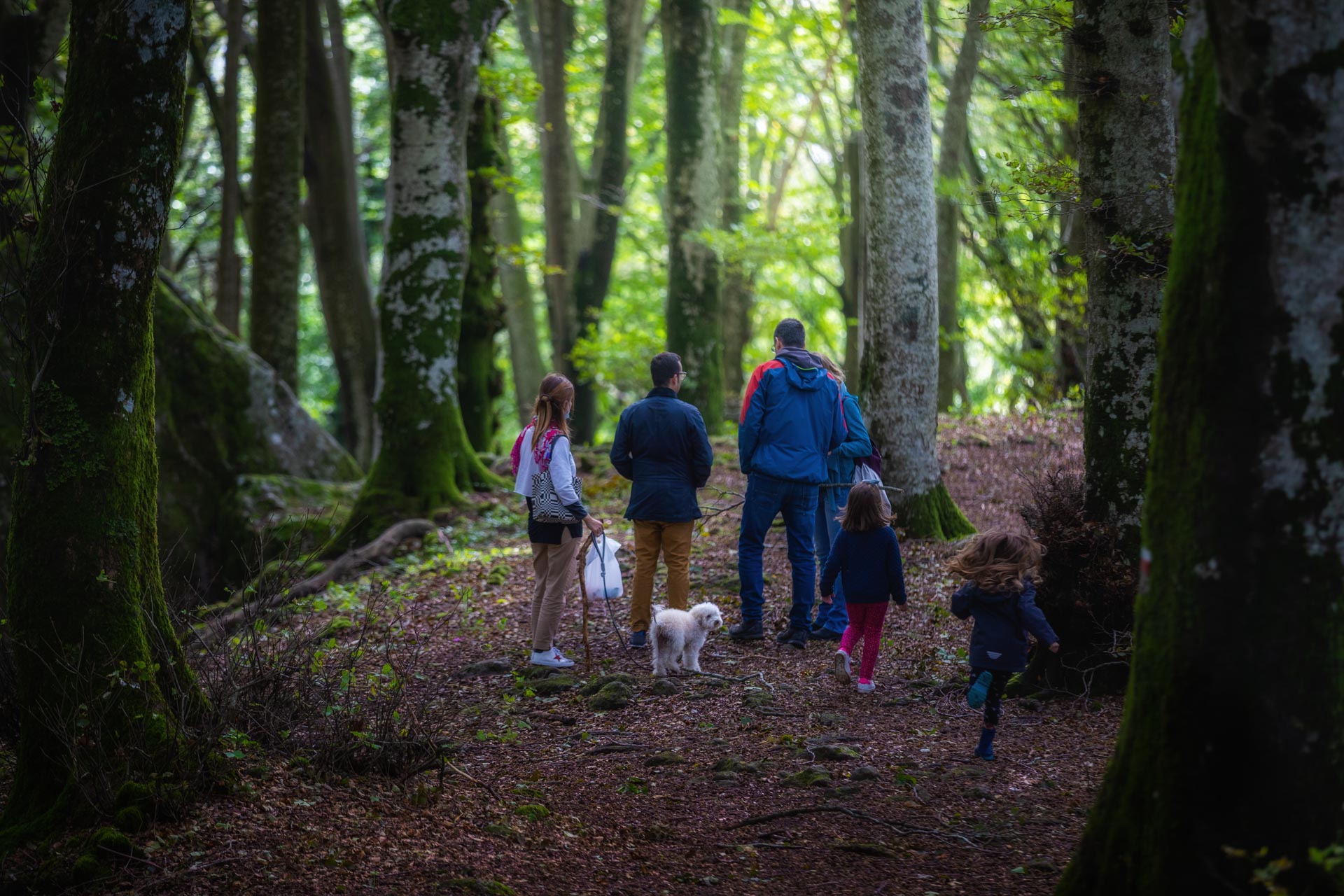
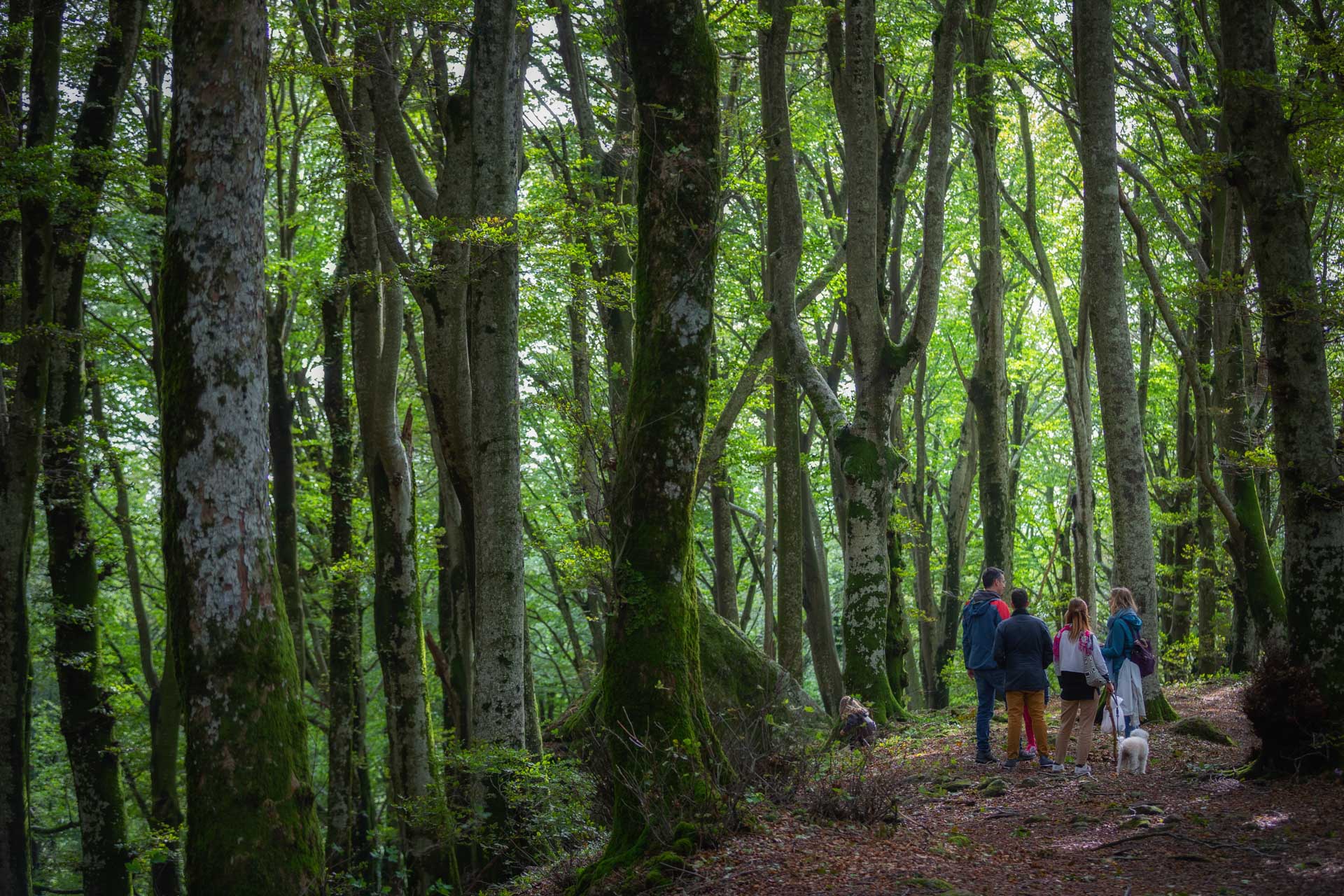
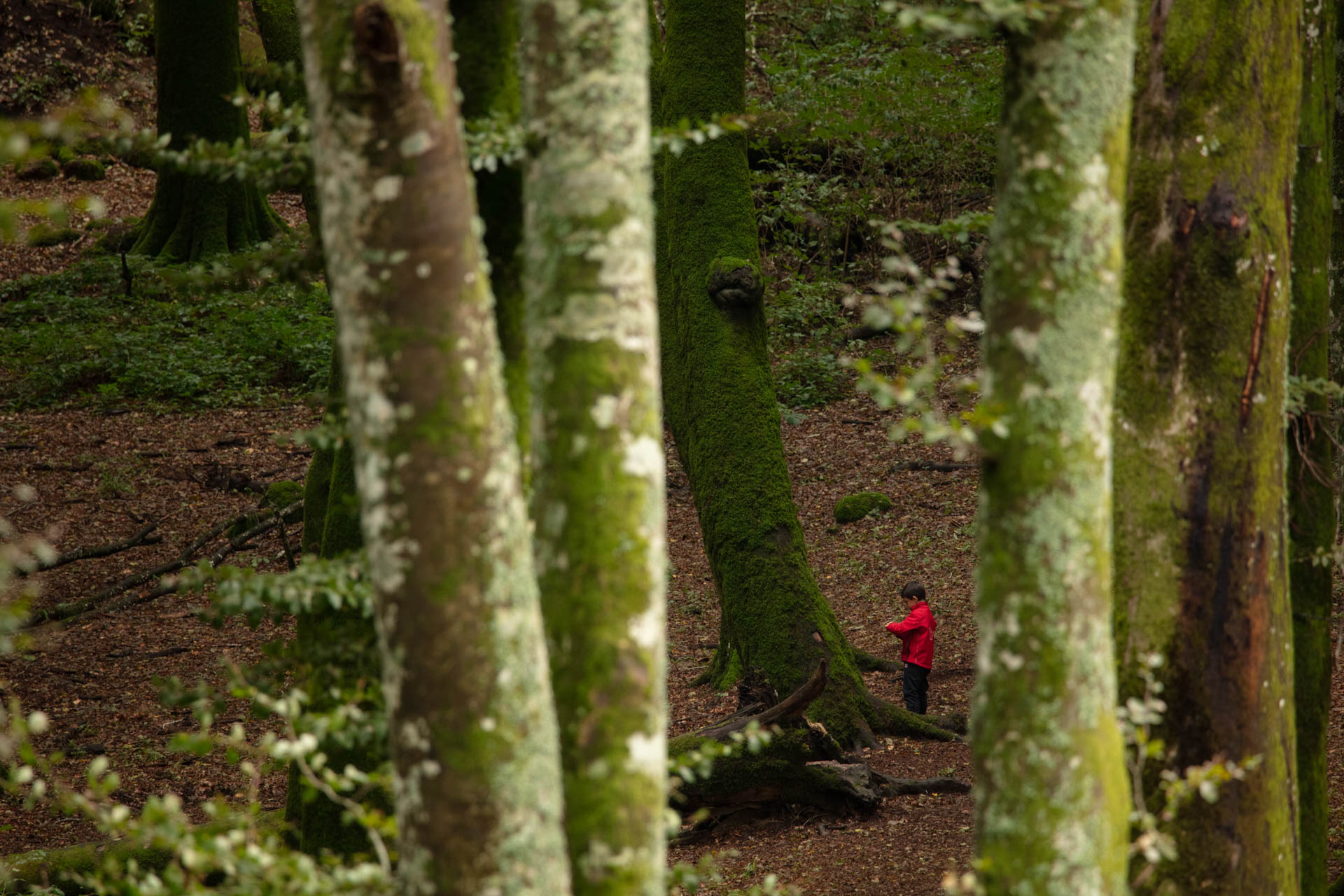
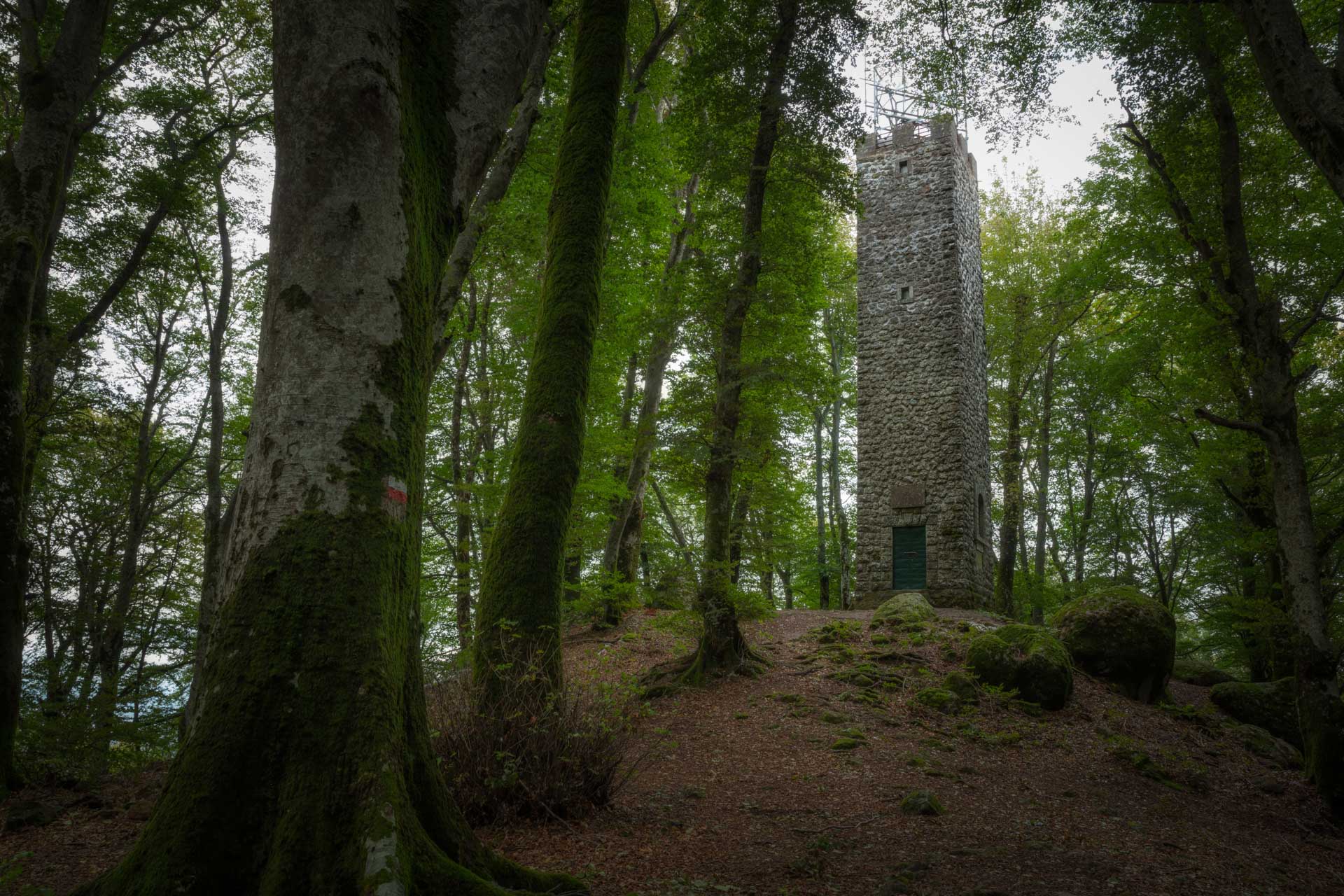
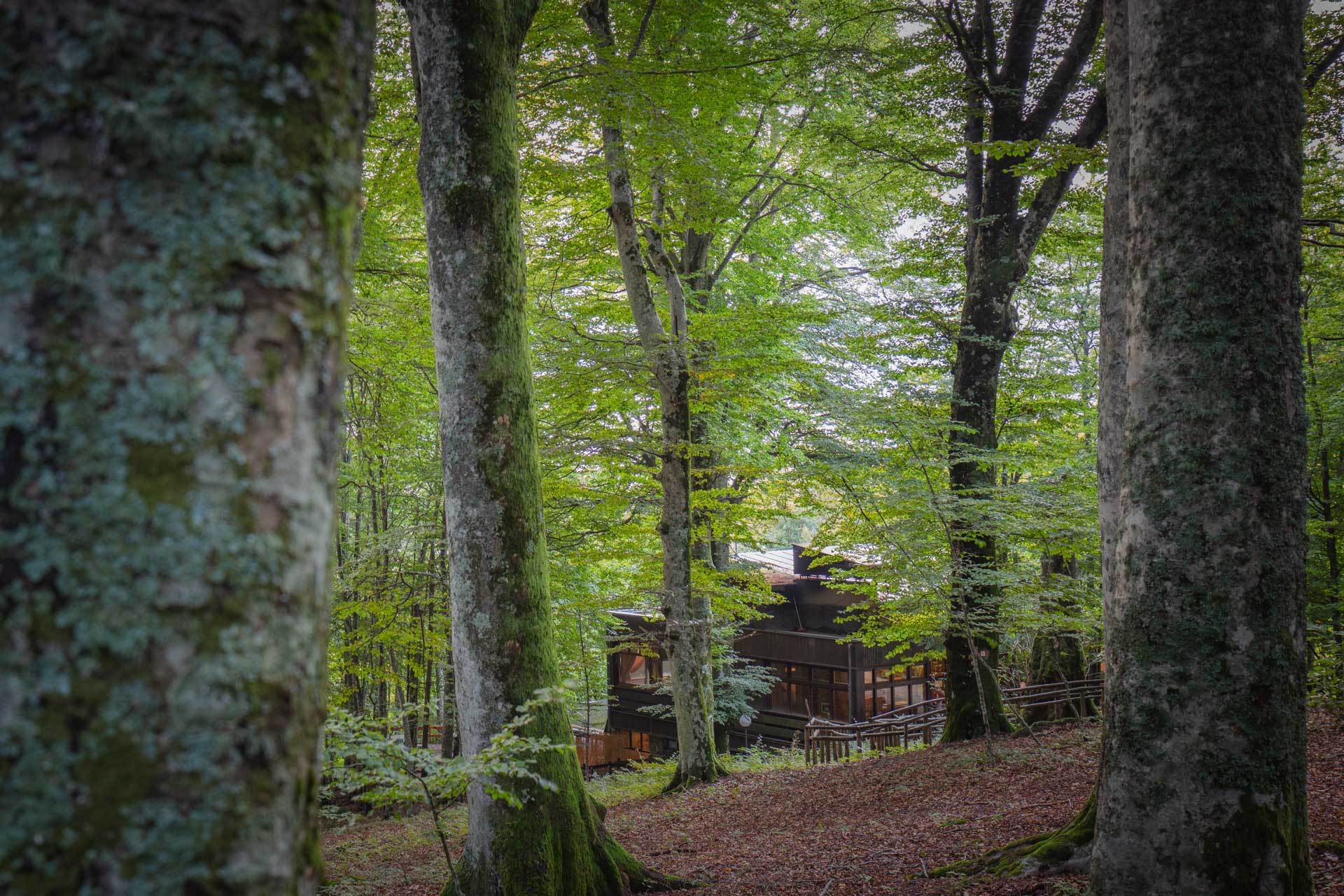
Forests, water springs, and streams characterize the environment of Cimini Mountains which covers an area of about 975 hectares in the Municipalities of Soriano nel Cimino, Vitorchiano, and Viterbo. Interestingly enough, these areas are almost entirely covered by broad-leaved forests which, in the less disturbed spots, are structured according to an altitudinal sequence: oak forests and holm oak forests first, followed by mixed mesophytic forests with widespread sweet chestnut woodlands and, finally, by a forest of old-growth tall beech trees on the summit of Monte Cimino.
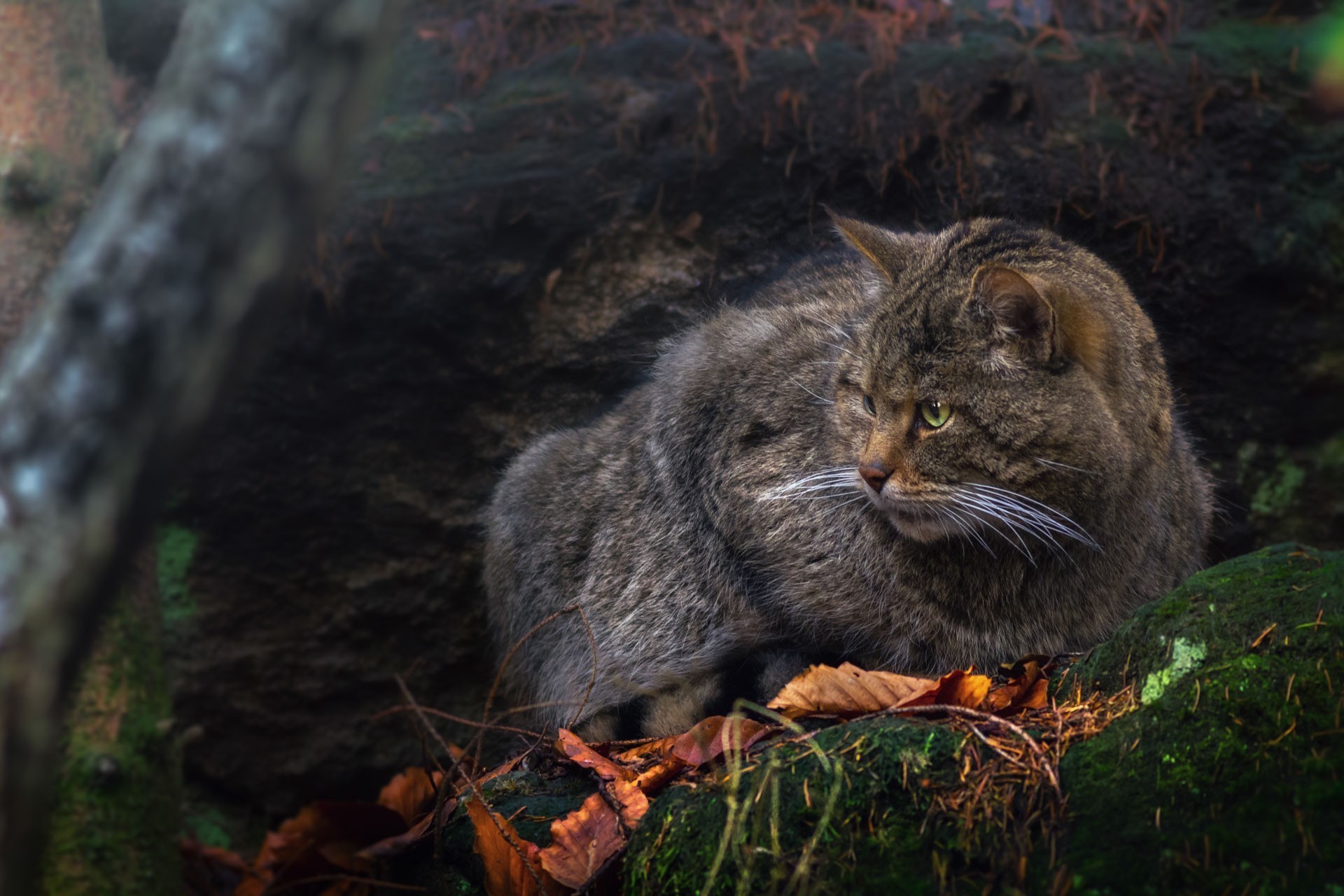
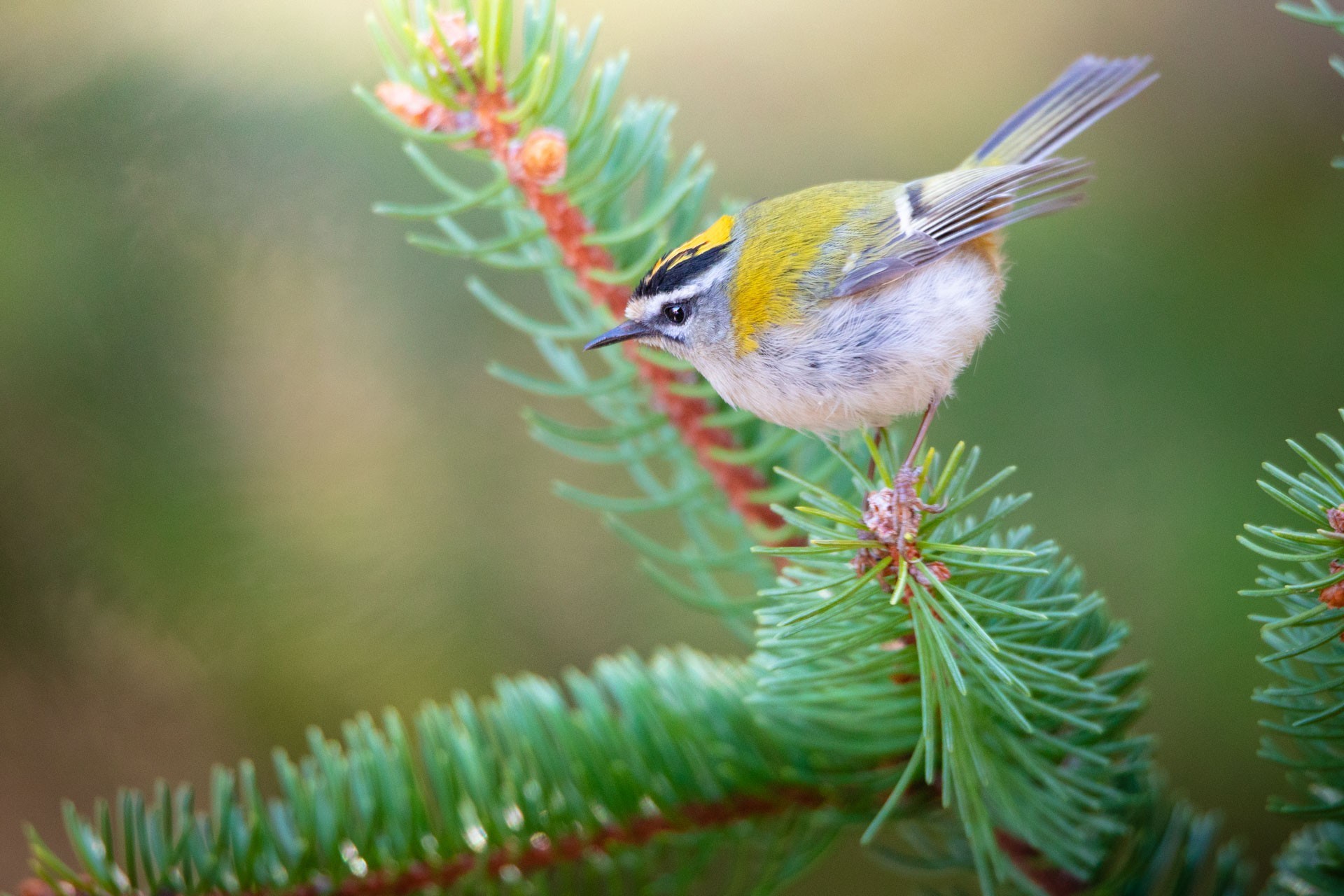
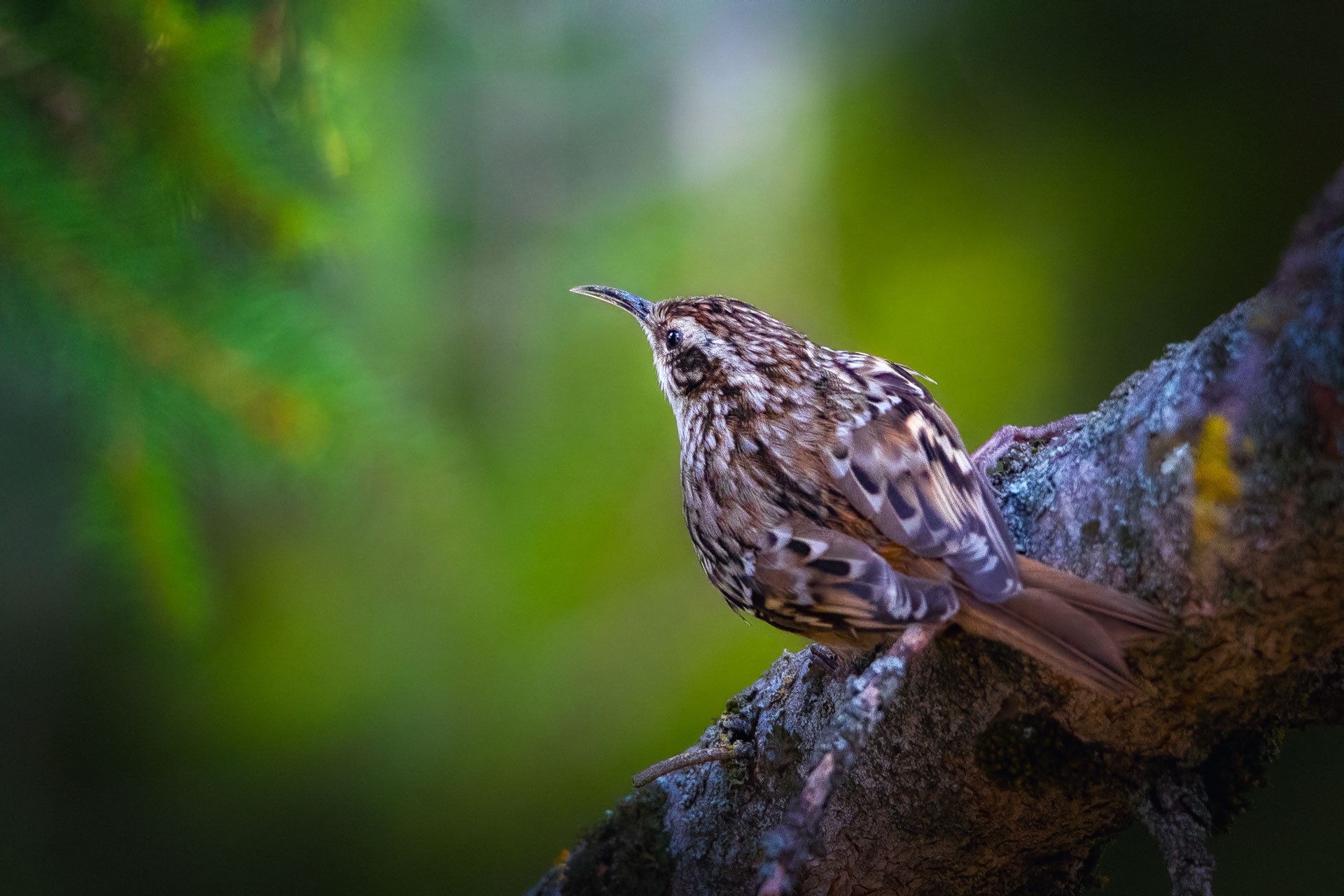
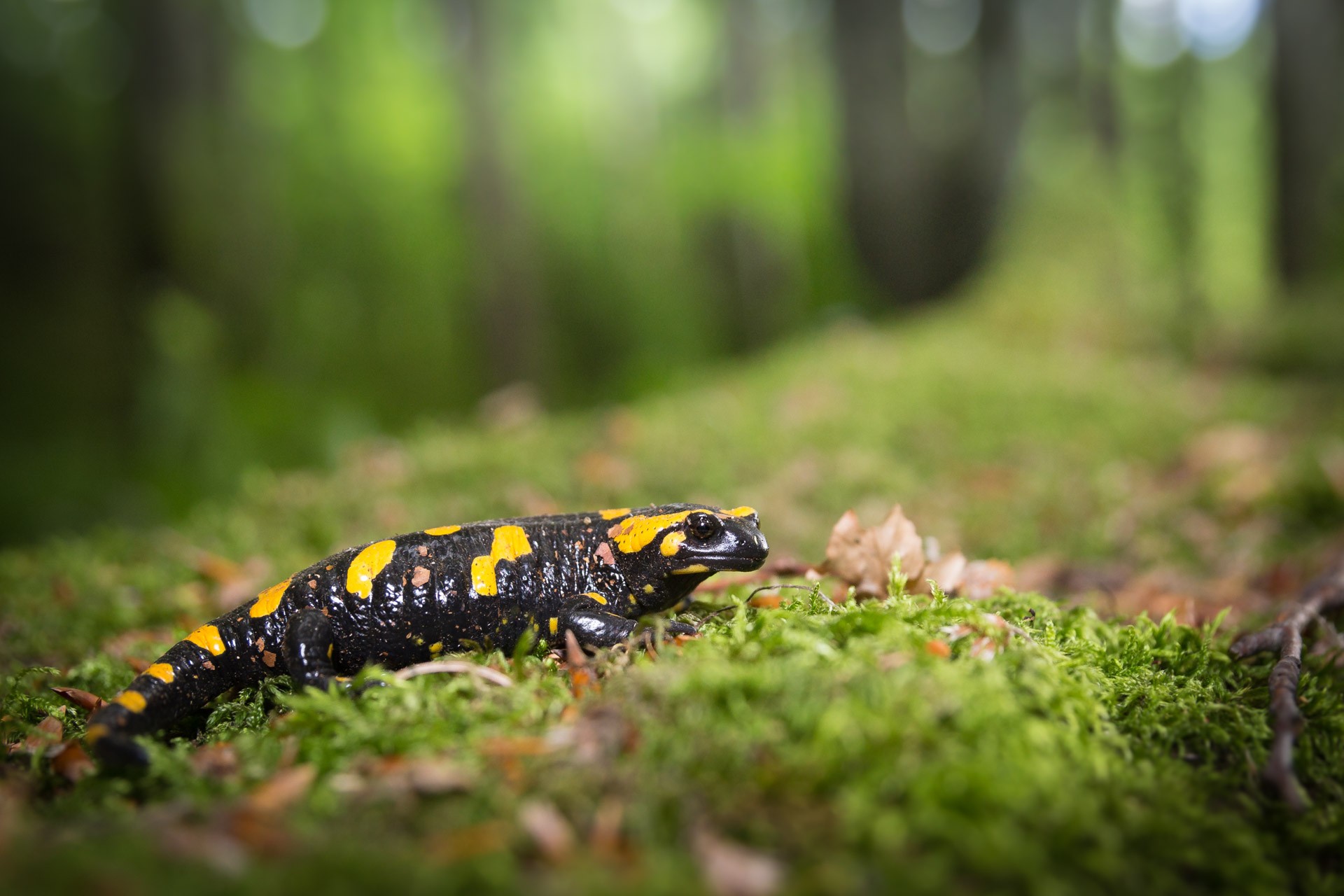
The main reason leading to the designation of the SAC is linked to the presence of two forest habitats of Community interest with a particularly interesting fauna including insects, crustaceans, and amphibians, as well as a relevant population of crayfish. The designation as SPA was driven by the presence of some threatened or vulnerable species of forest and rupicolous birds of prey, of various passerines, and of the Nightjar, a protected nocturnal bird inhabiting open areas.
The most widespread forest type is undoubtedly represented by coppice and fruit sweet chestnut woodlands between 550 and 950 m of altitude, often associated with oak woods at lower altitudes. The great distribution of the Sweet Chestnut has been favored by the selection with production goals carried out by man in the past centuries and by the acid volcanic substratum, two essential factors for the distribution of this species.
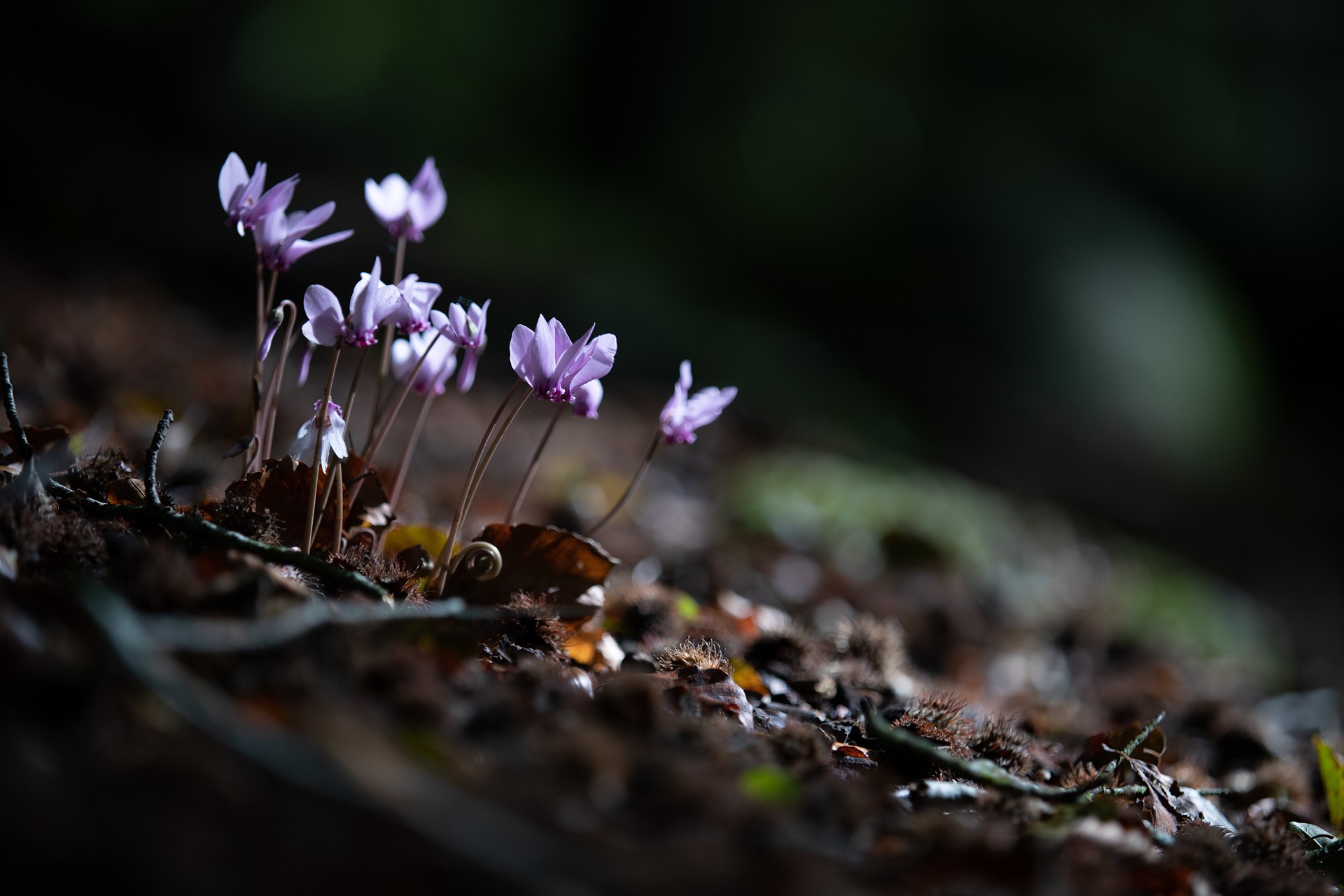
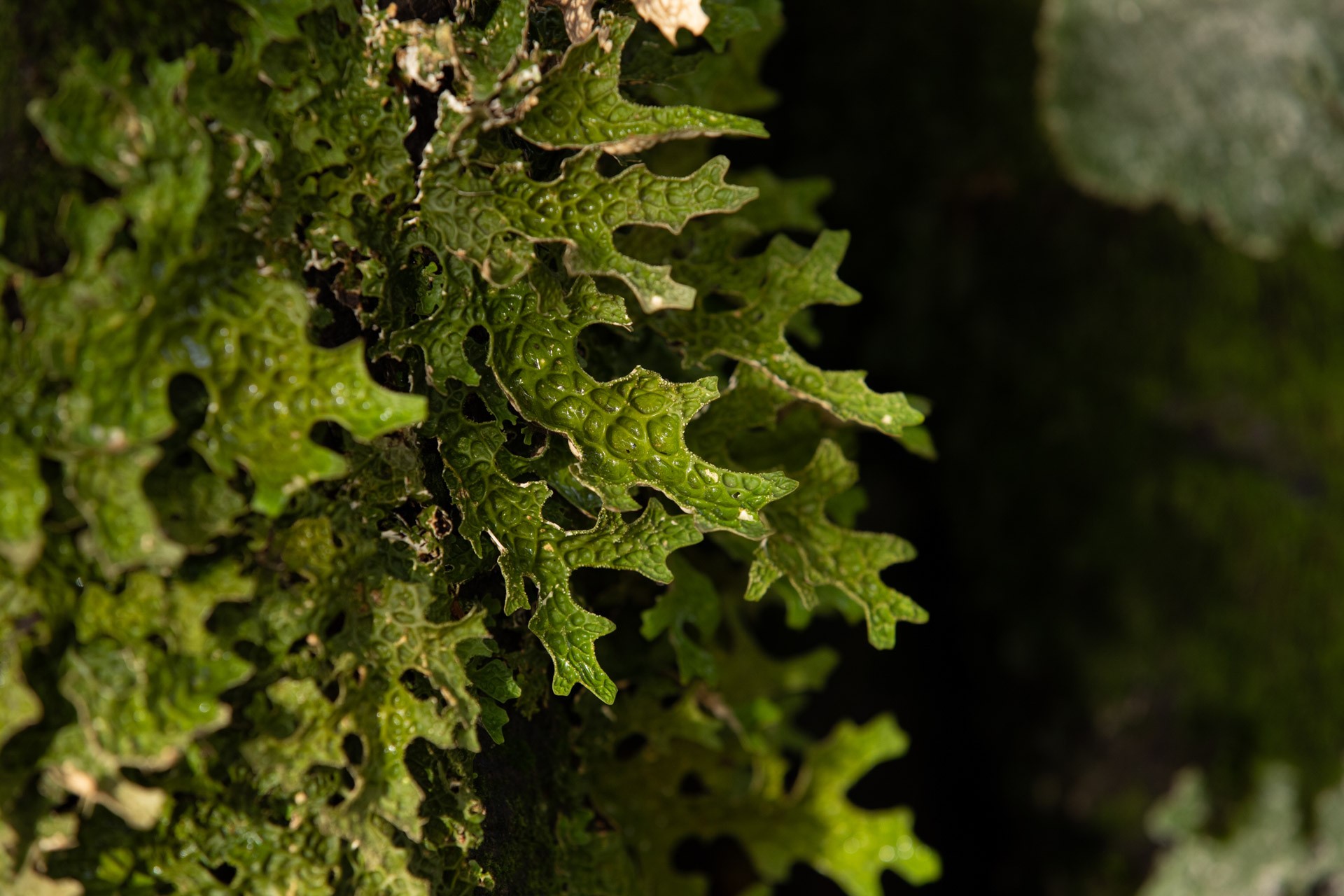
For the beauty of the landscape, the environmental biodiversity, and its particular flora, the area has been object of study of many researches regarding flora and vegetation, particularly focusing on the beech forest of Monte Cimino.