The area
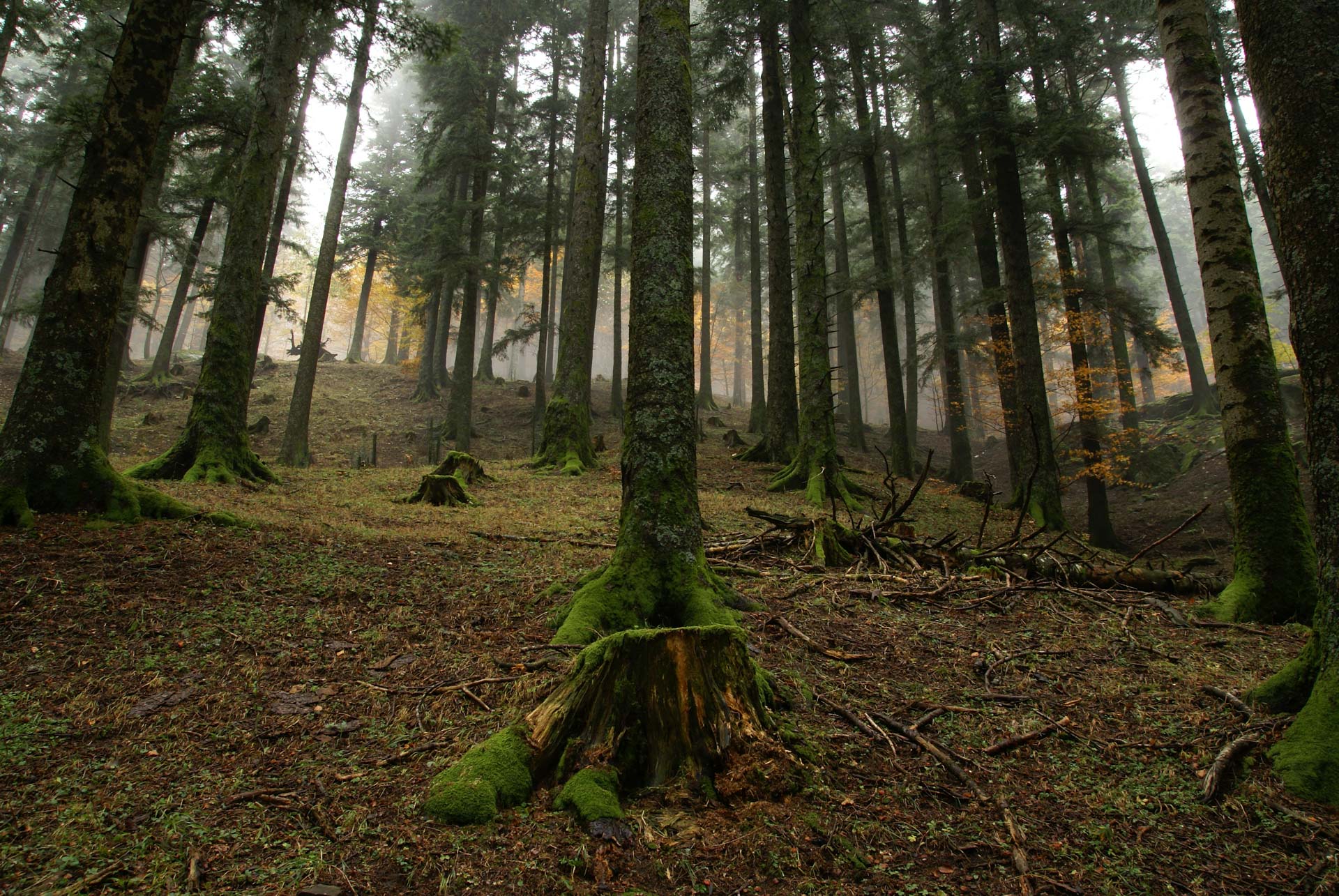
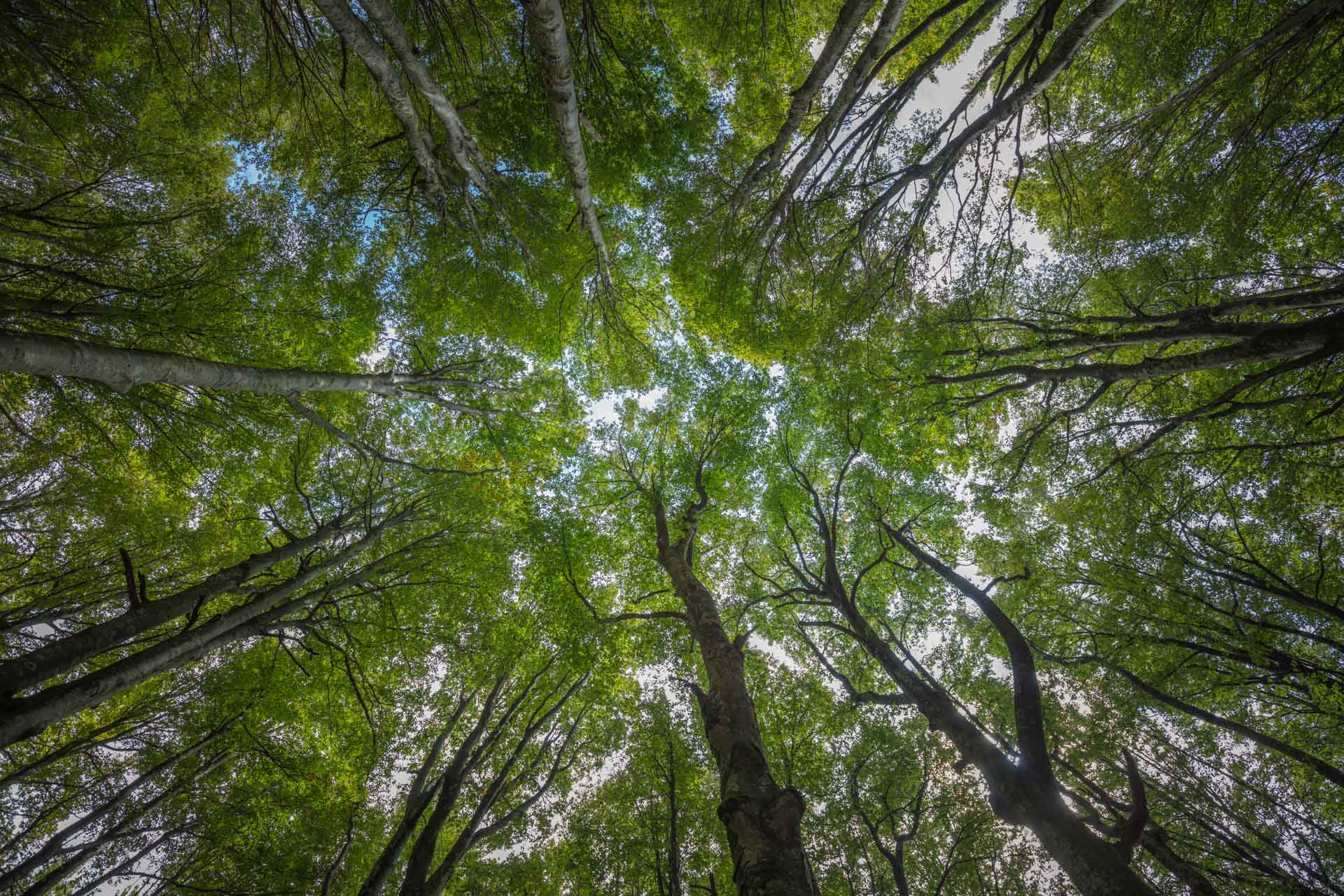
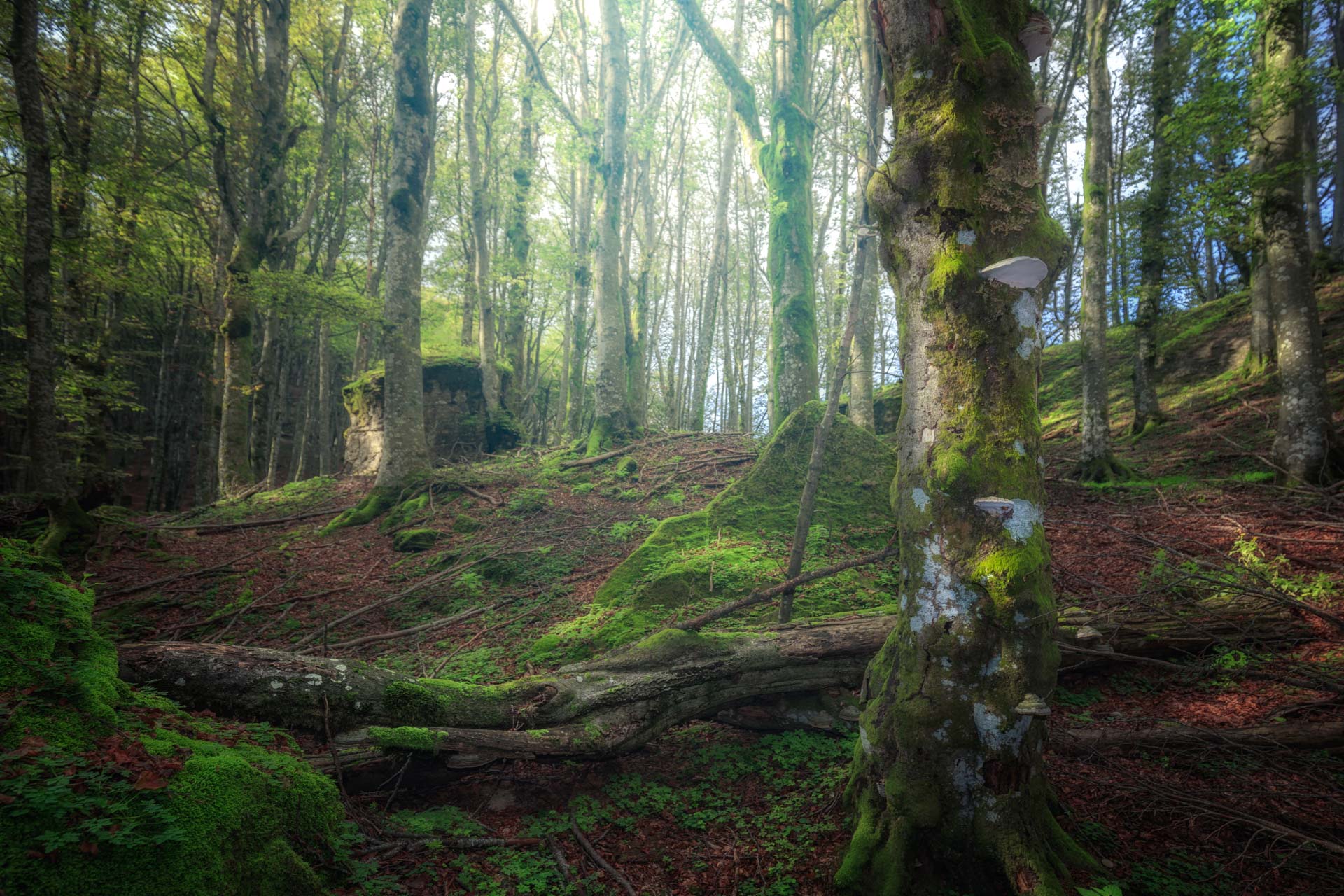
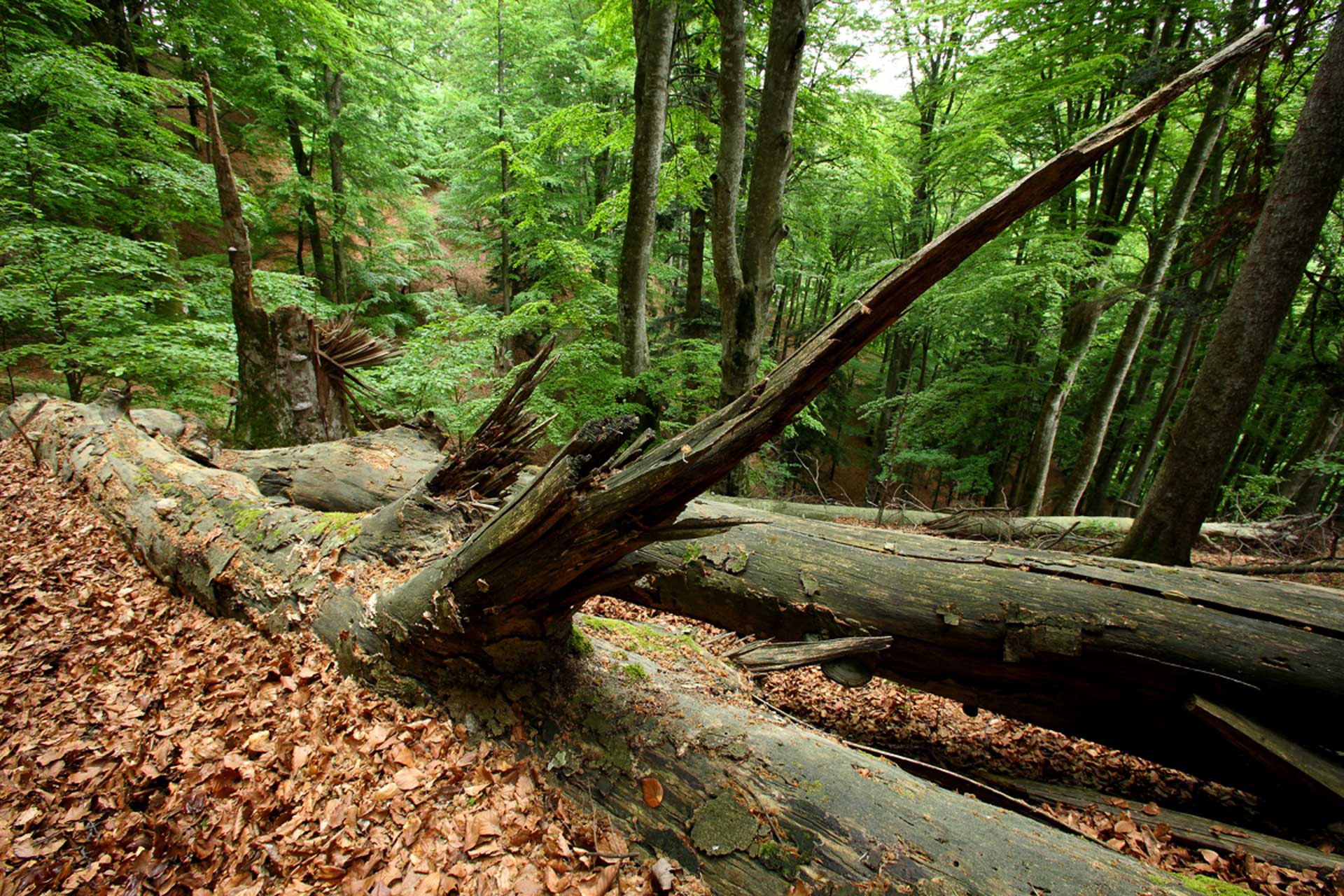
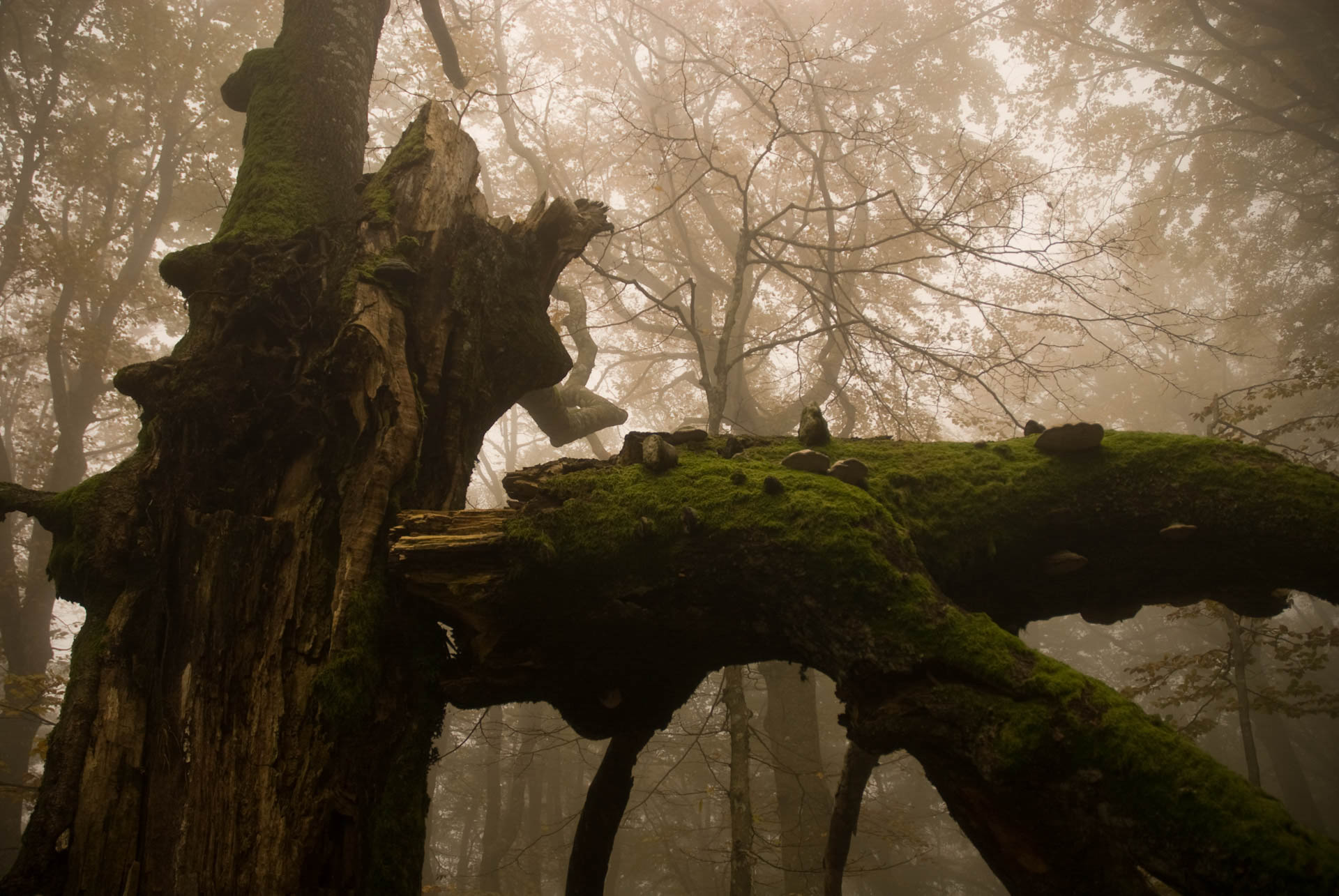
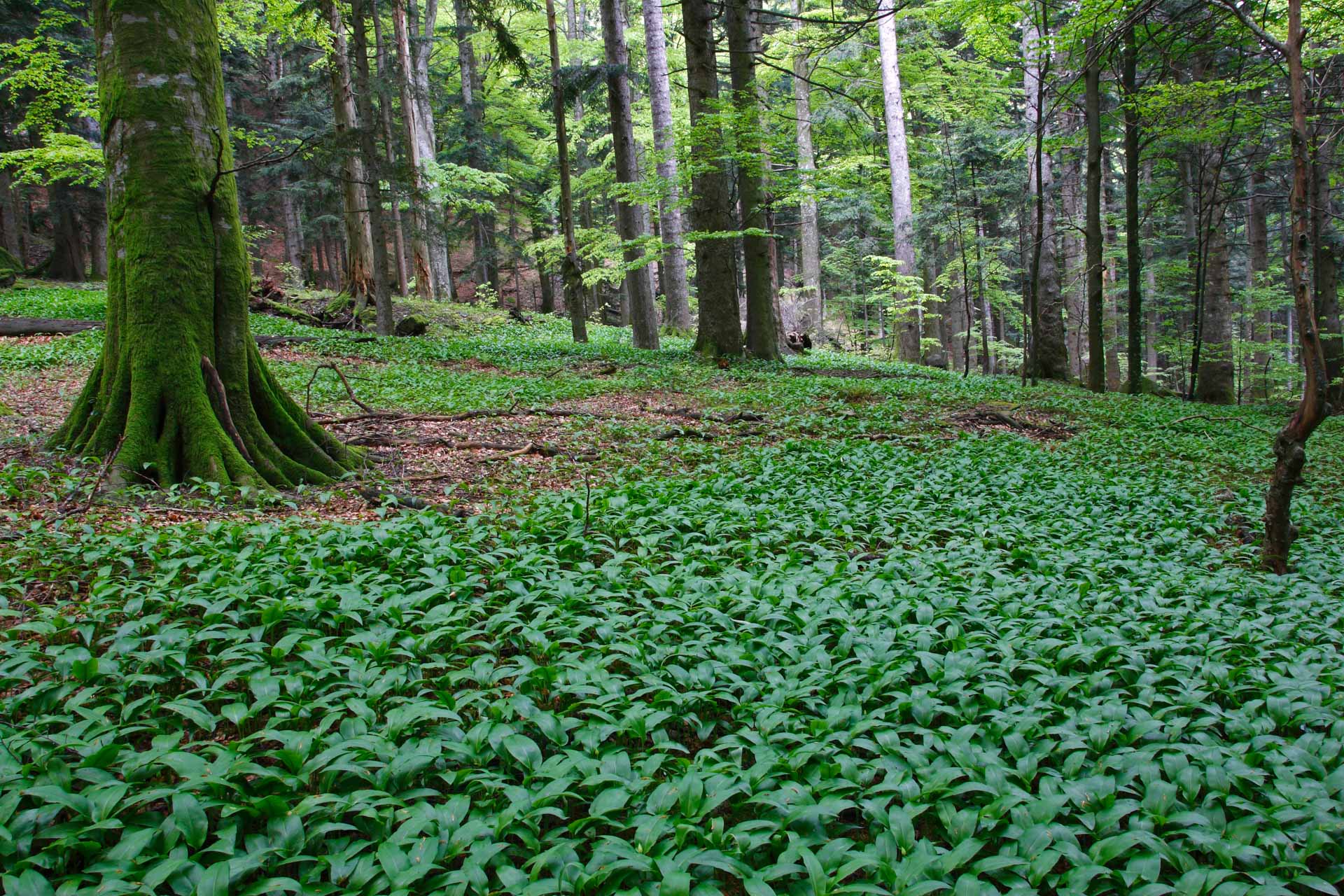
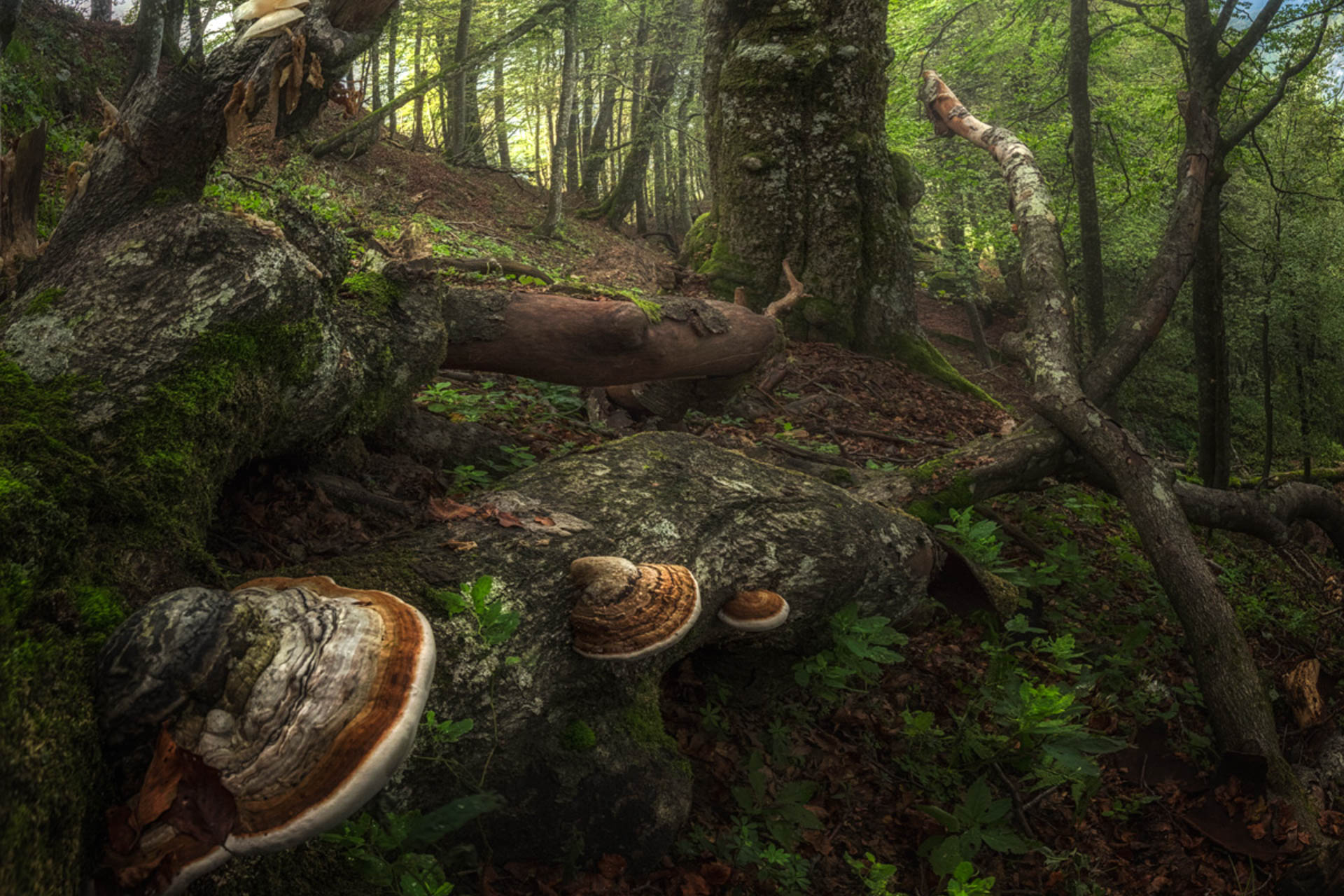
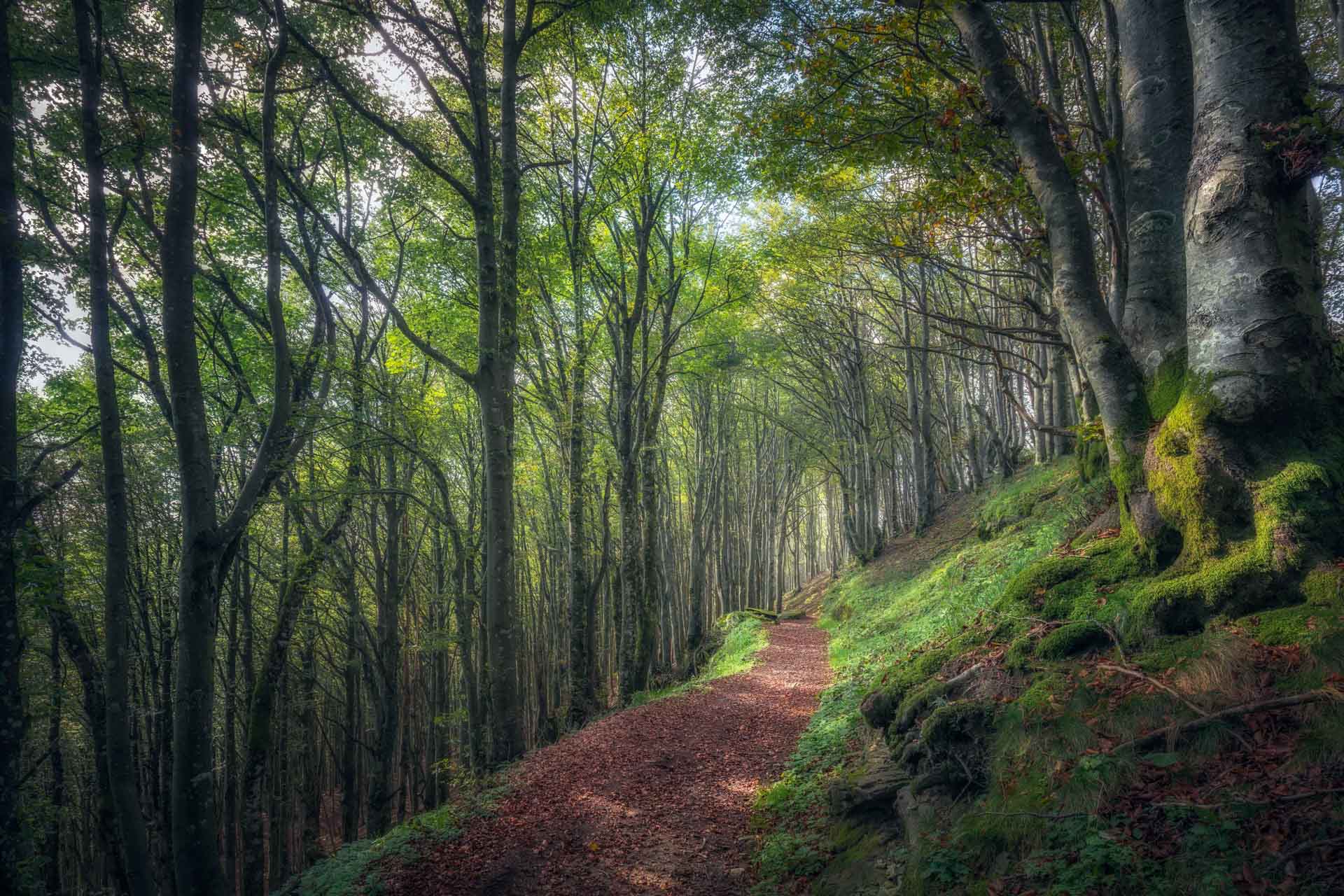
The Strict Nature Reserve of Sasso Fratino was the first strict reserve to be established in Italy in 1959. It also received the European Diploma for Protected Areas in 1985 and became UNESCO World Heritage in 2017, together with a large surrounding buffer zone. The old-growth beech forests of Sasso Fratino and Casentinesi Biogenetic Reserves represent the heart of Foreste Casentinesi, Monte Falterona and Campigna National Park, one of the most valuable forest areas in Europe, located between Romagna and Tuscany.
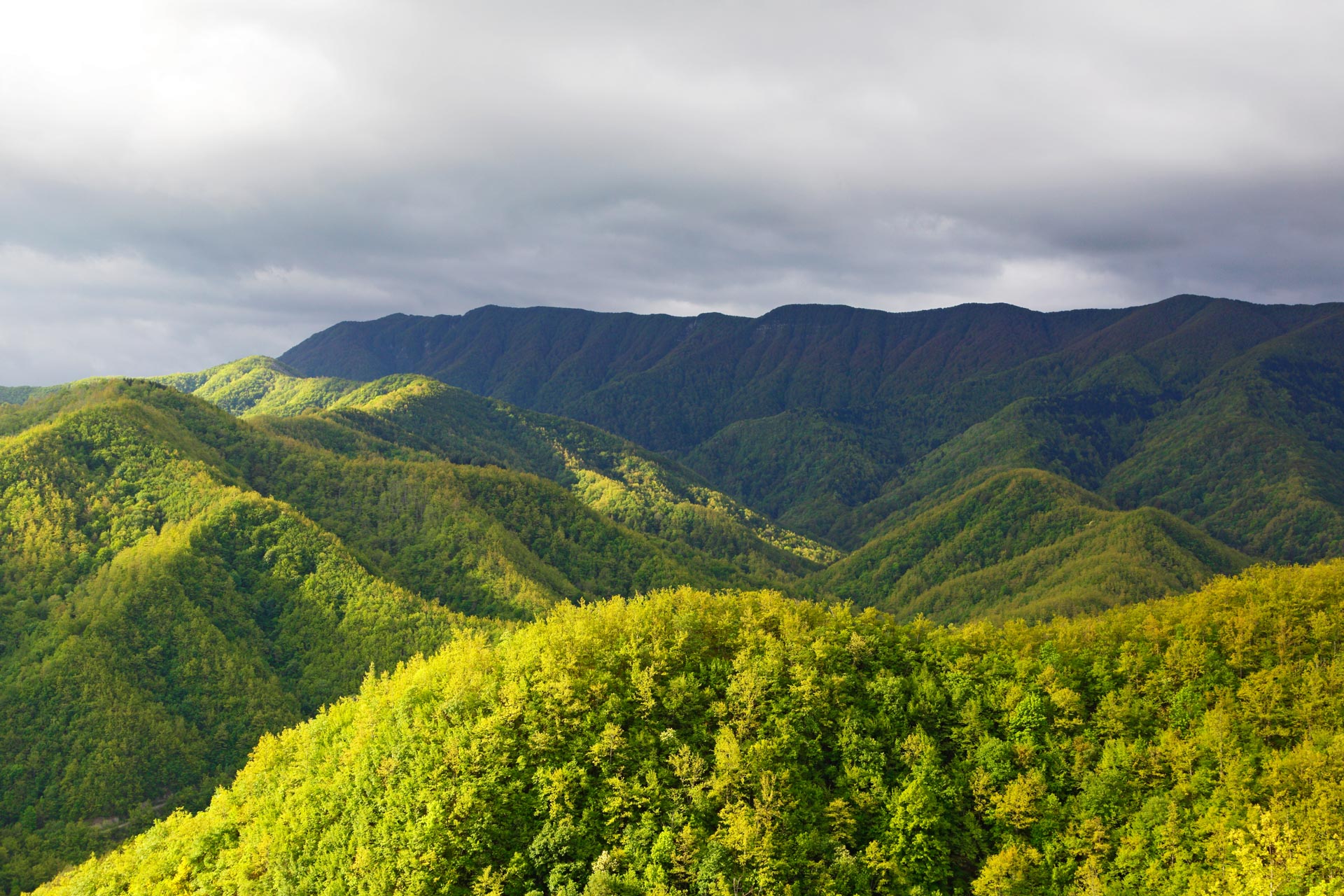
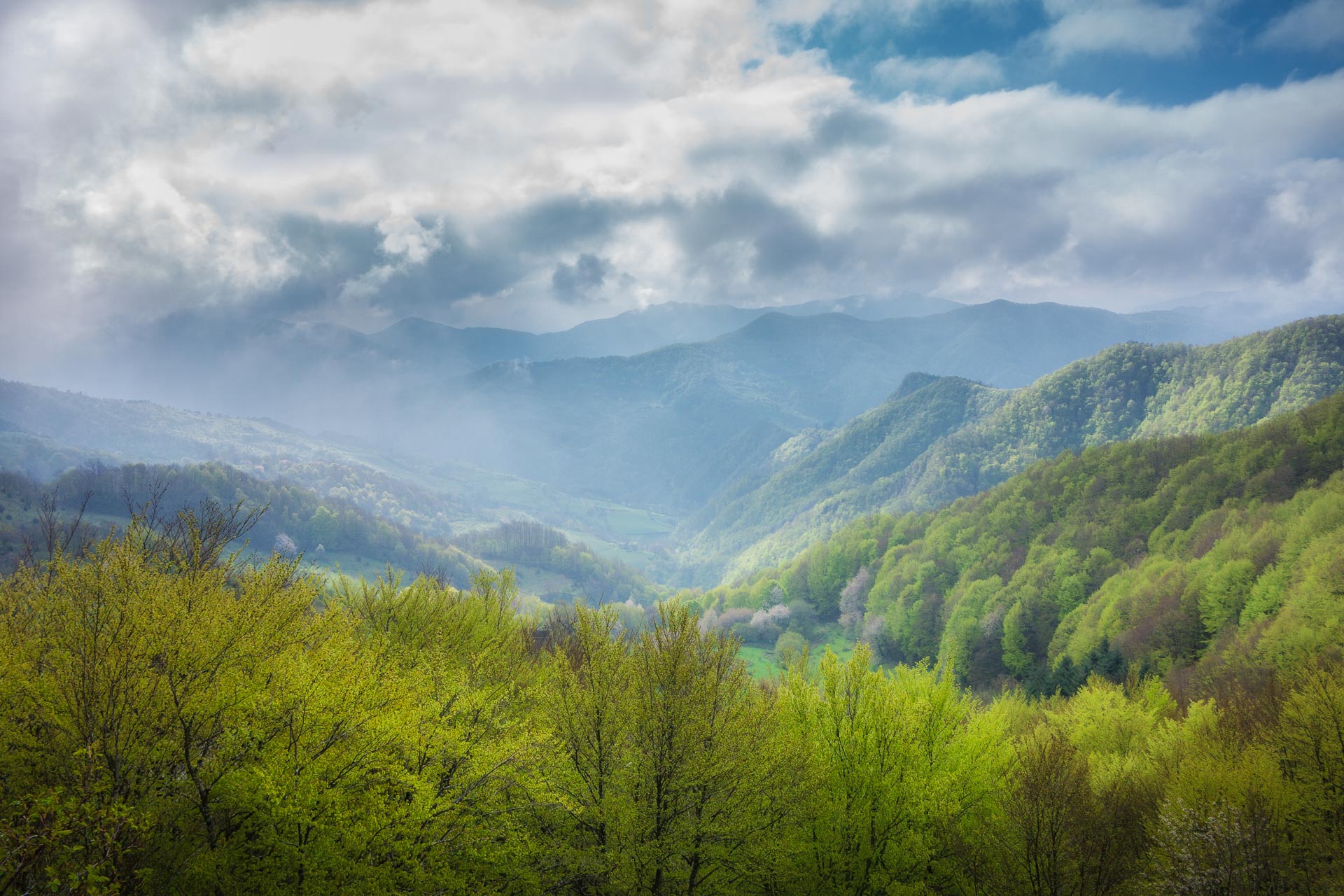
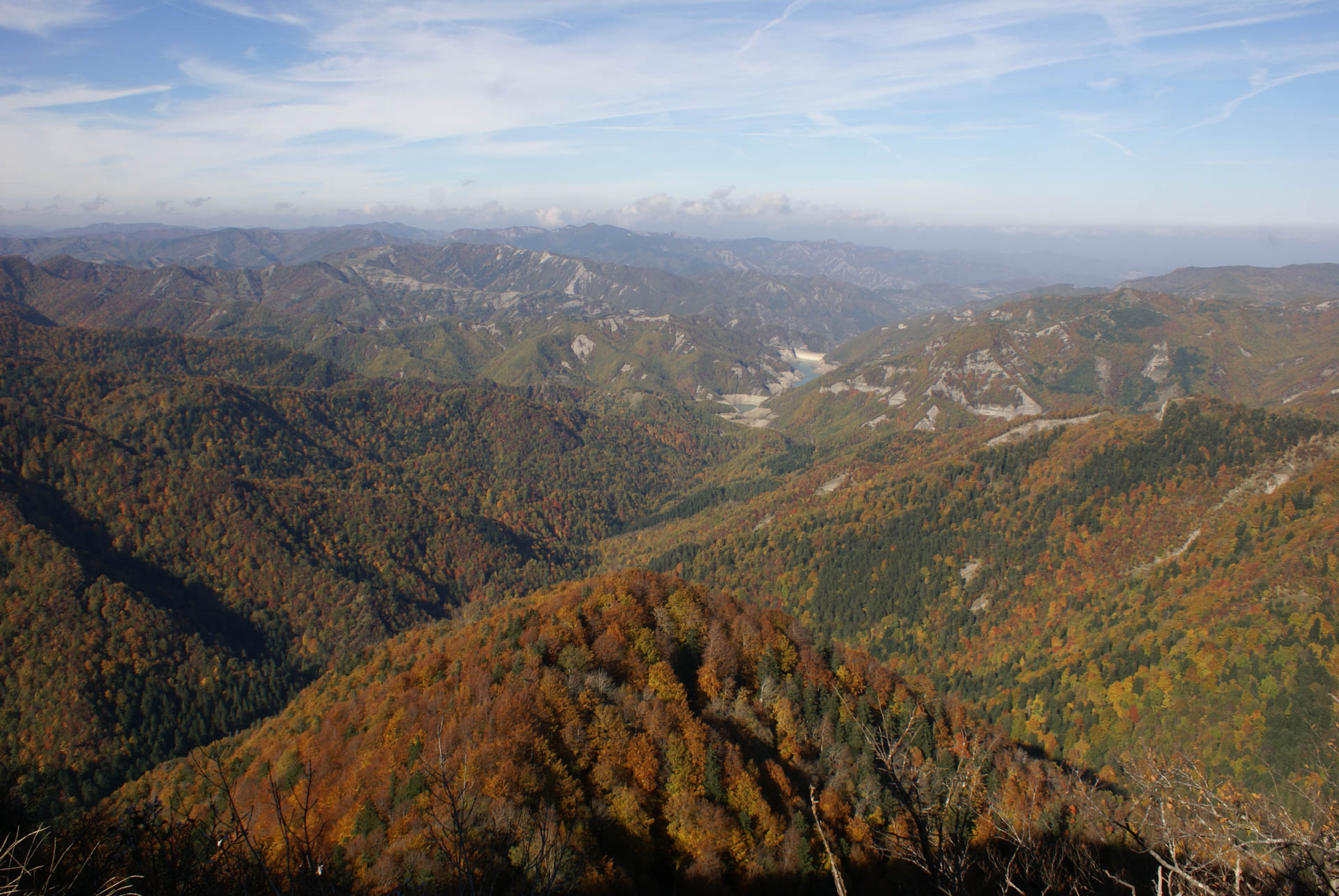
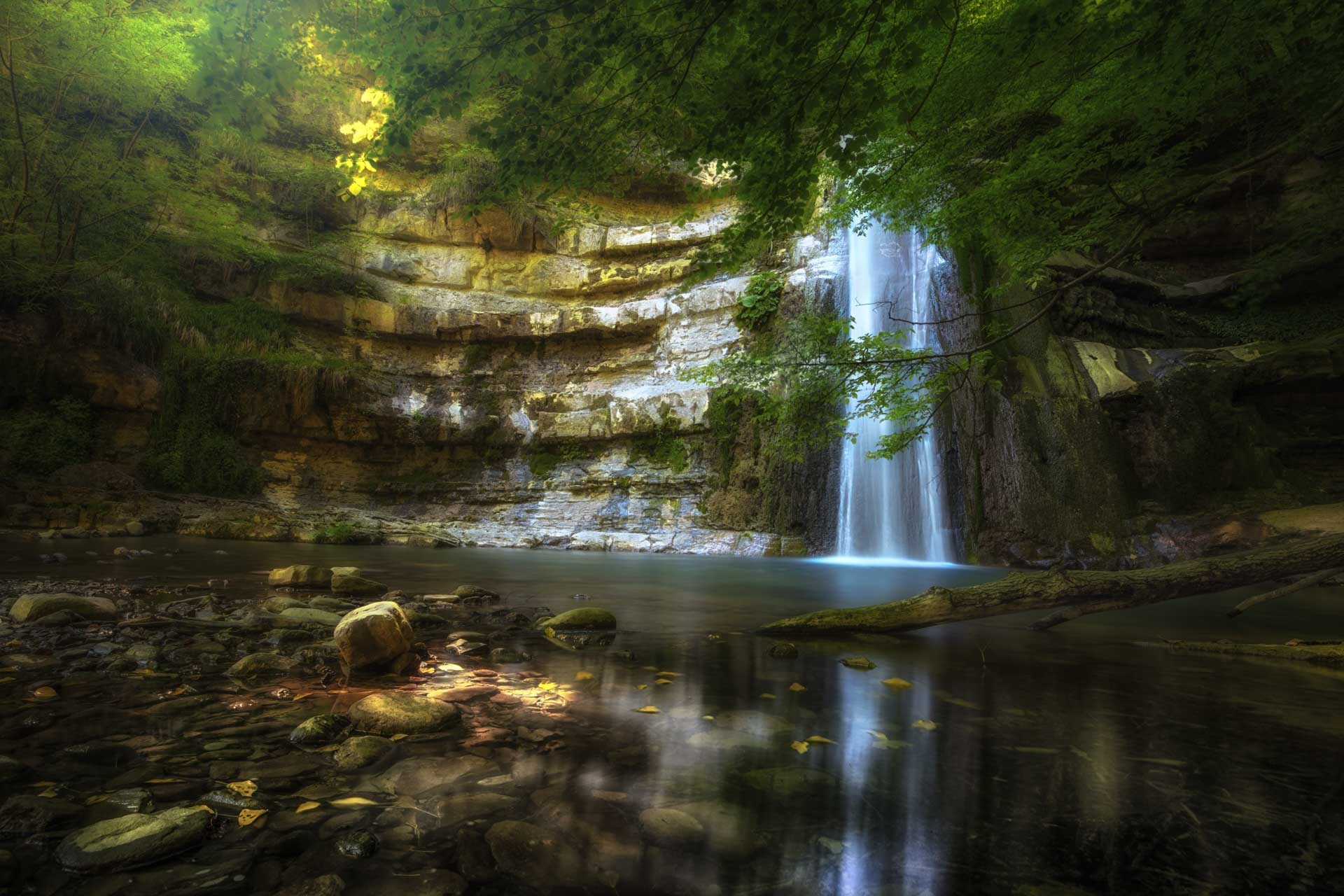
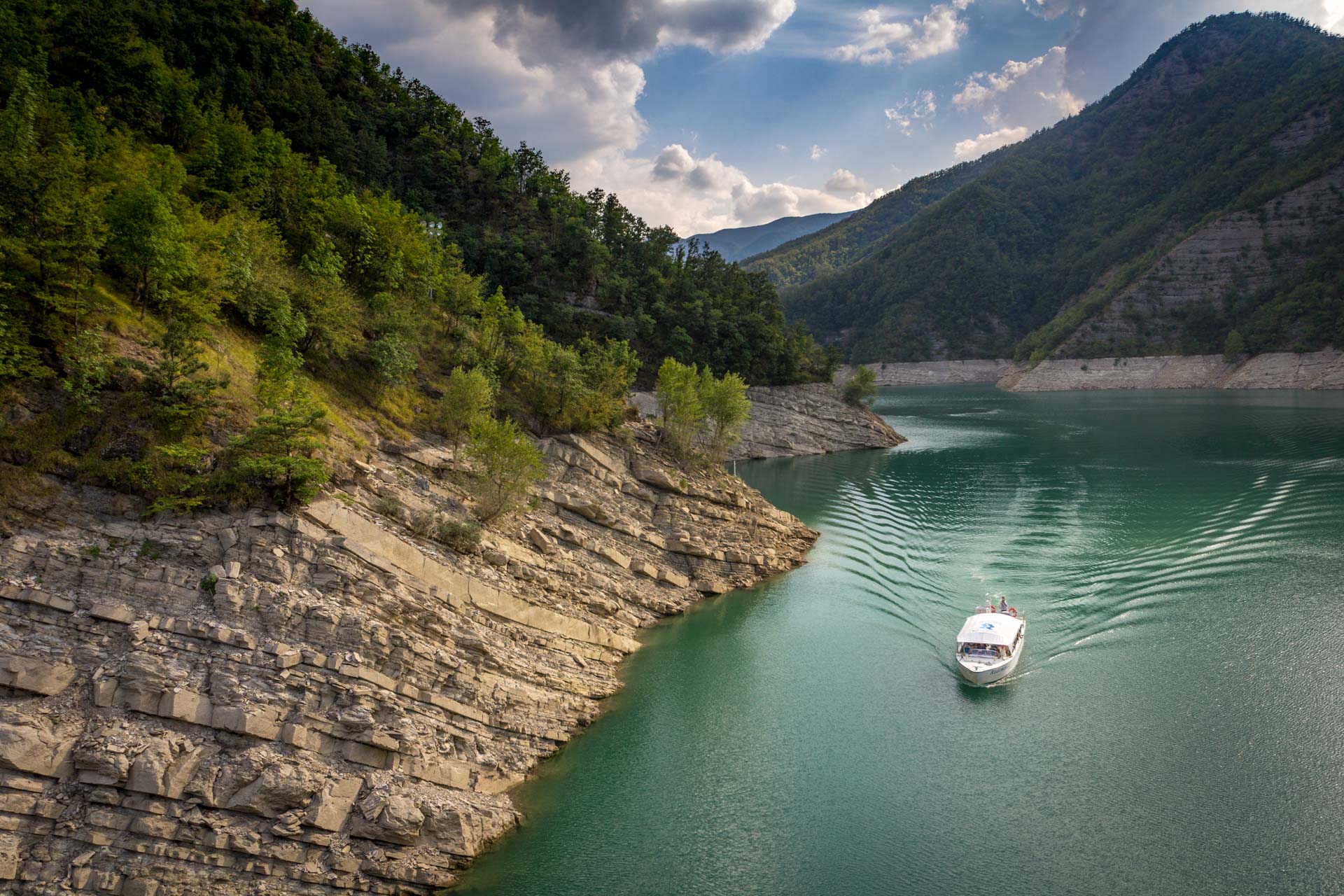
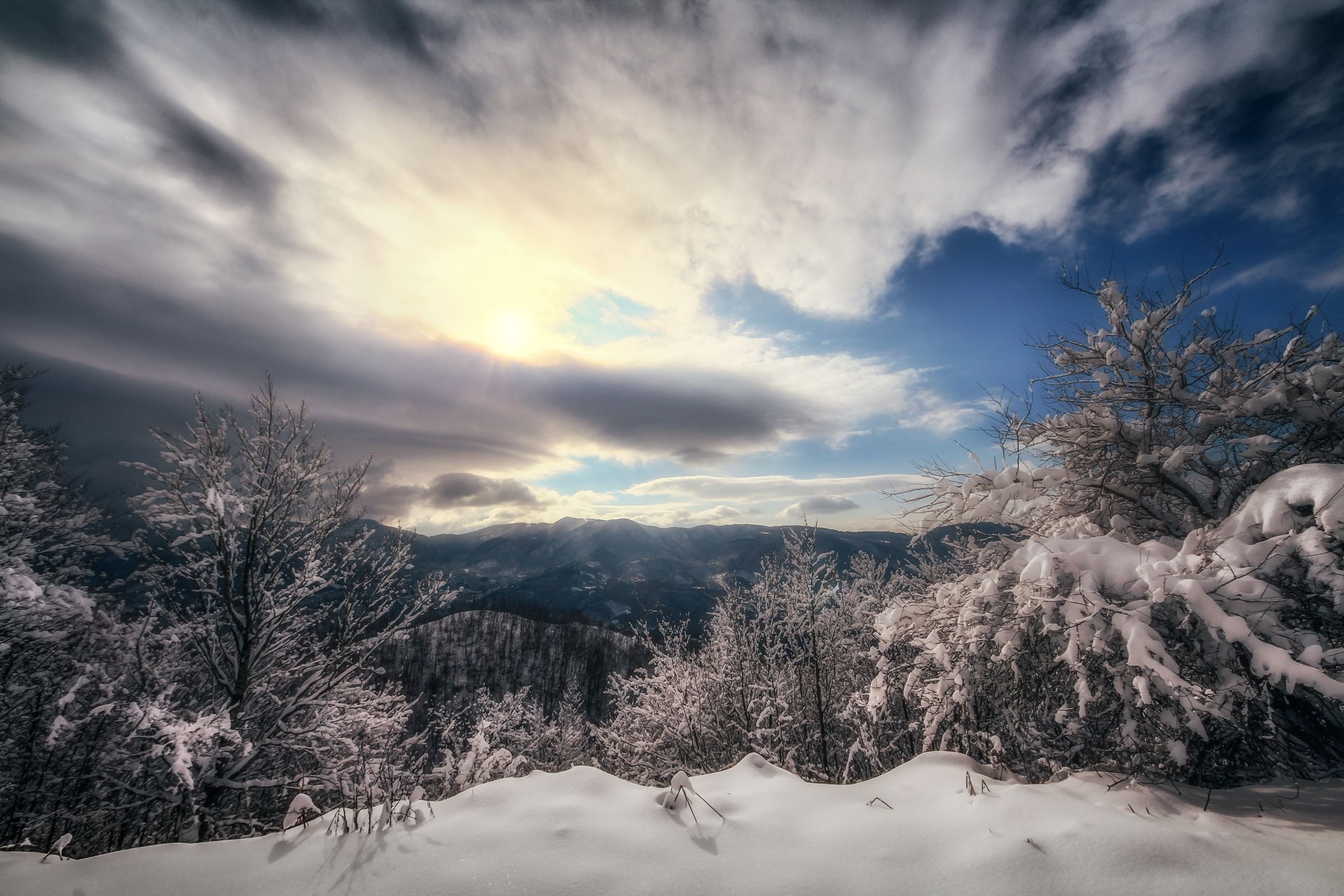
Covering an area of about 36,000 hectares equally divided among the Regions of Emilia-Romagna and Tuscany, it involves the territories of the Provinces of Forlì-Cesena, Arezzo, and Florence and straddles the Tosco-Romagnolo Apennine, descending steeply towards the parallel valleys on the side in Romagna and more gradually – with gentler slopes – on the side in Tuscany, to reach the wide valley floor formed by the River Arno. The landscape is characterized by sedimentary rocks, mainly sandstones alternating with marls, which can be frequently seen in characteristic stratified slopes or on bare ridges in Romagna. The Park also includes the monumental forest surrounding the Franciscan Sanctuary of La Verna, as well as many other areas – not only forest areas – of high nature value.
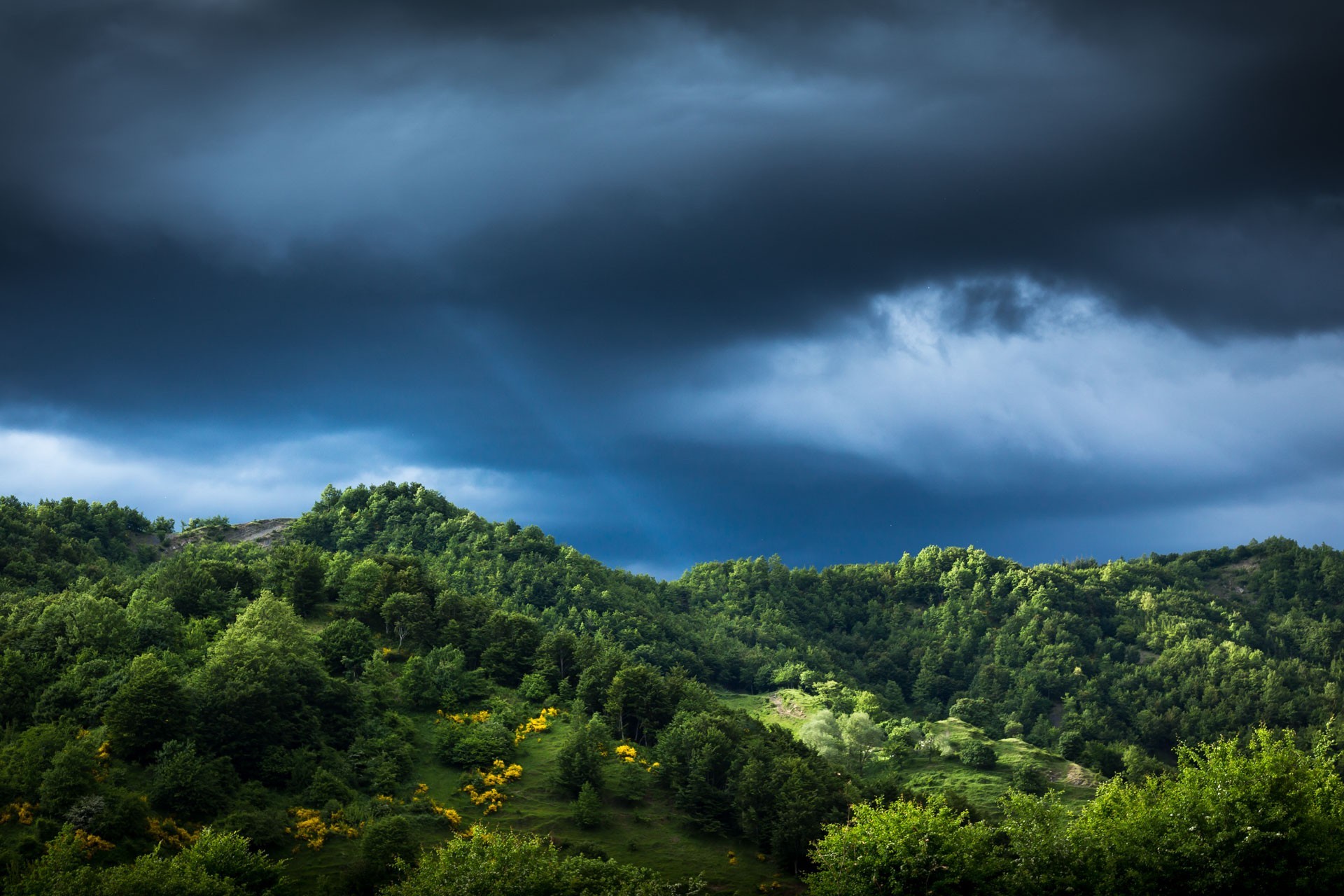
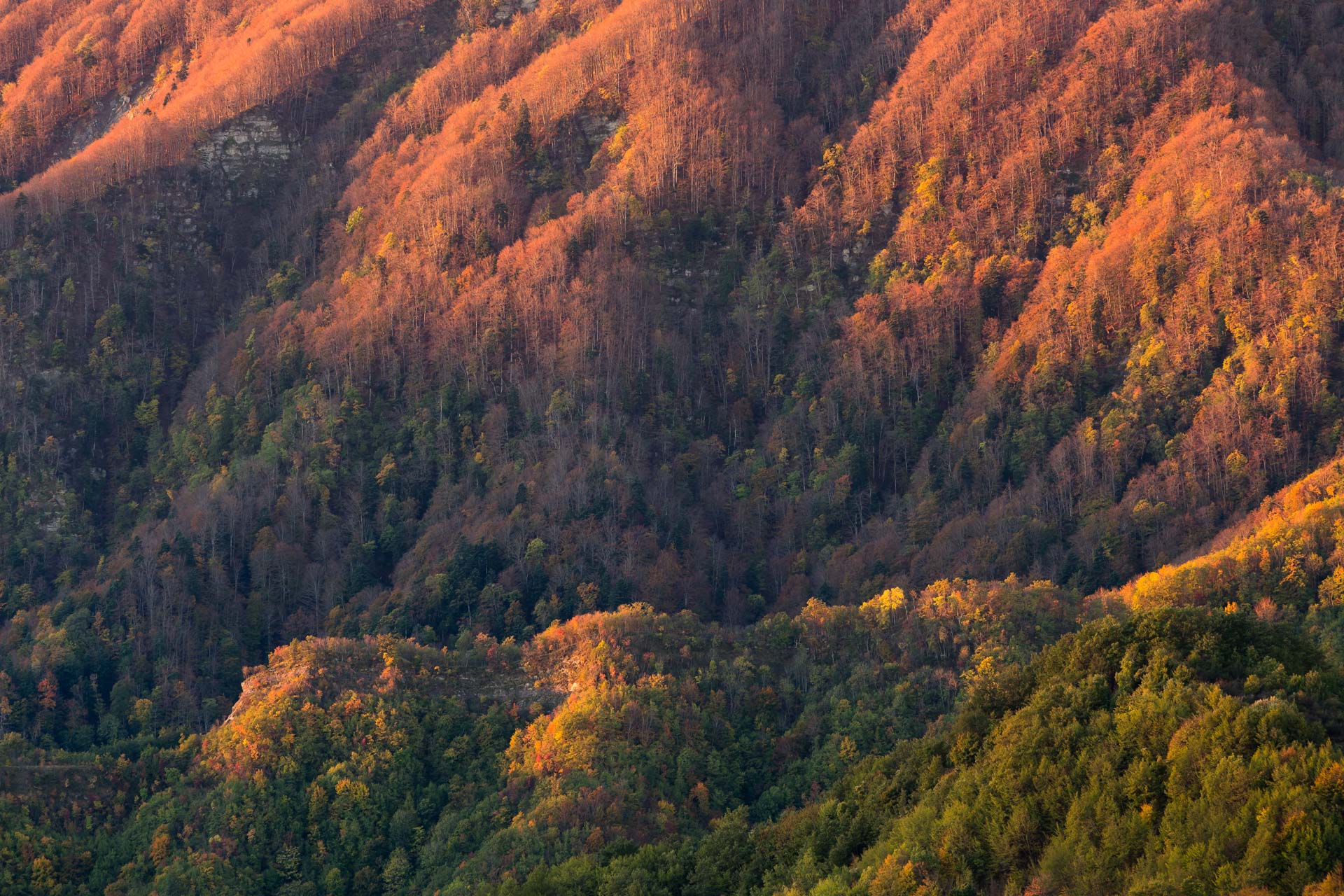
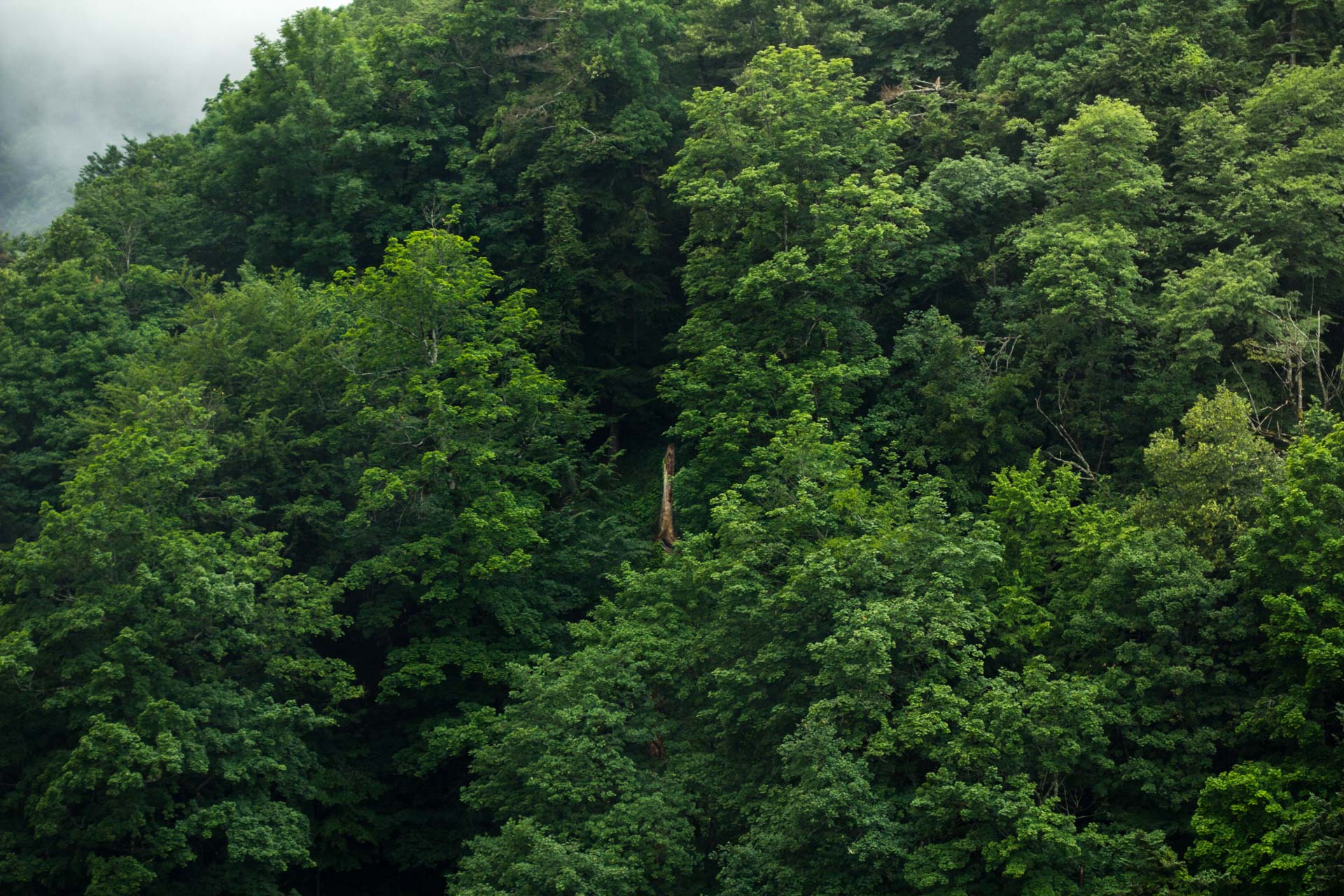
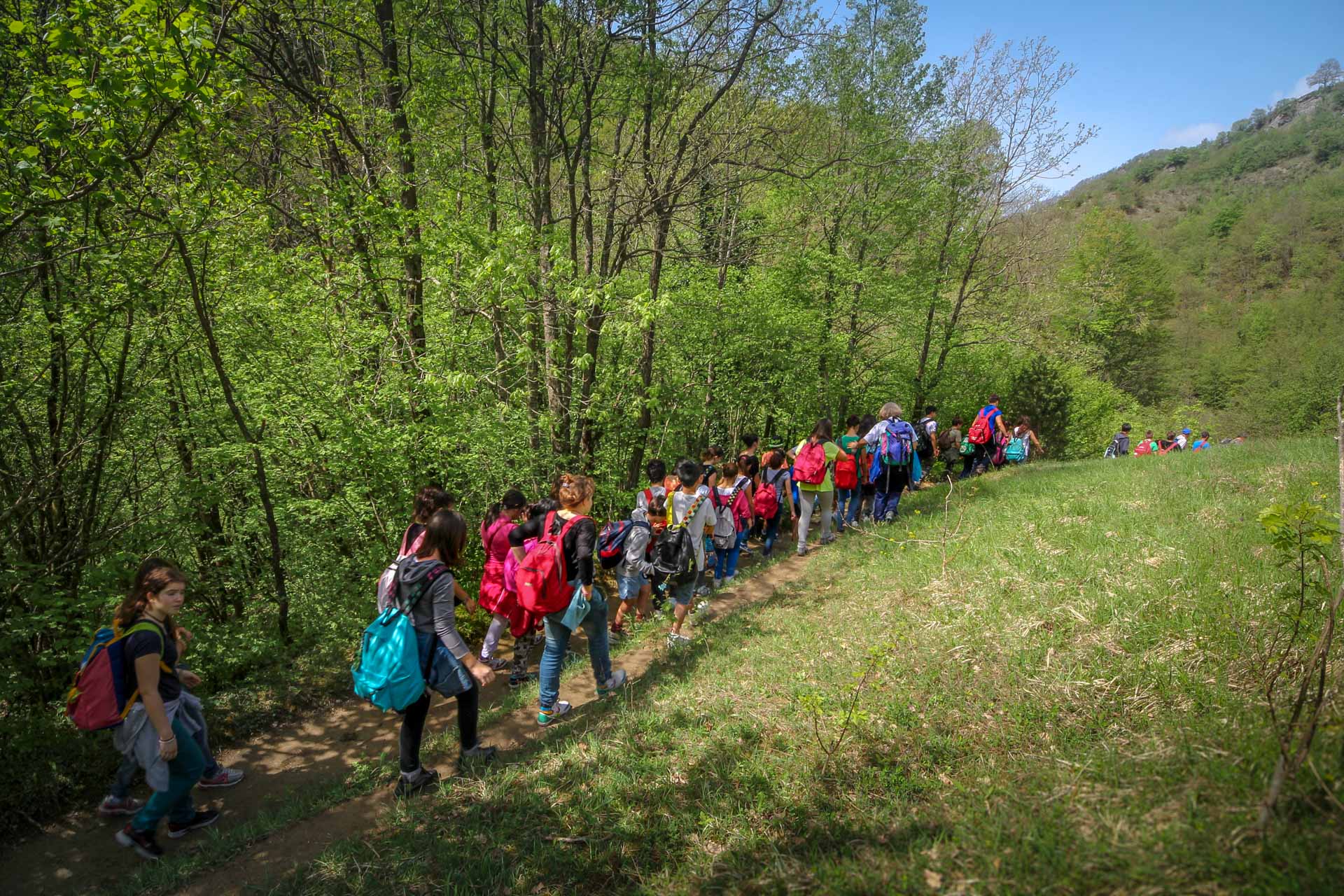
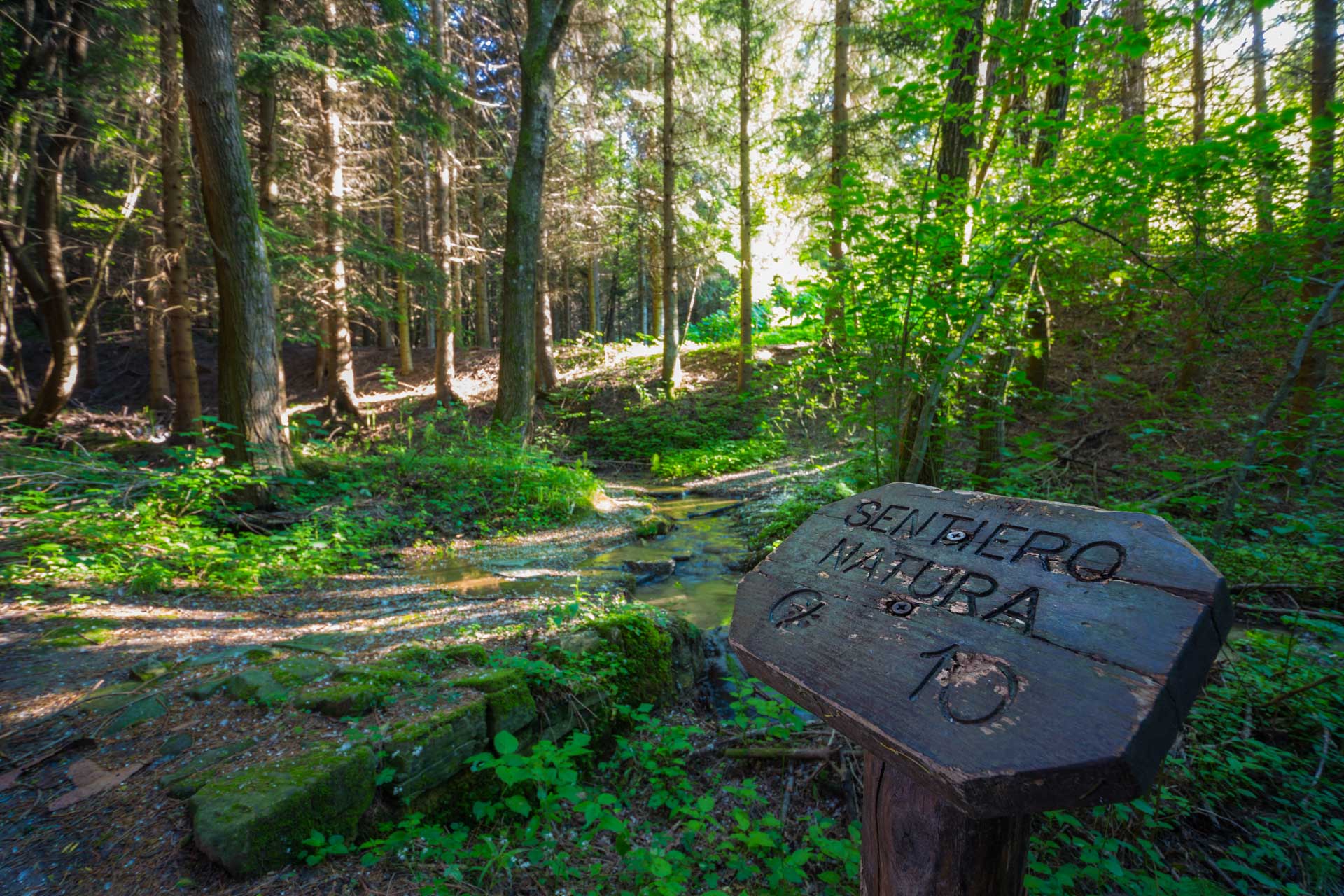
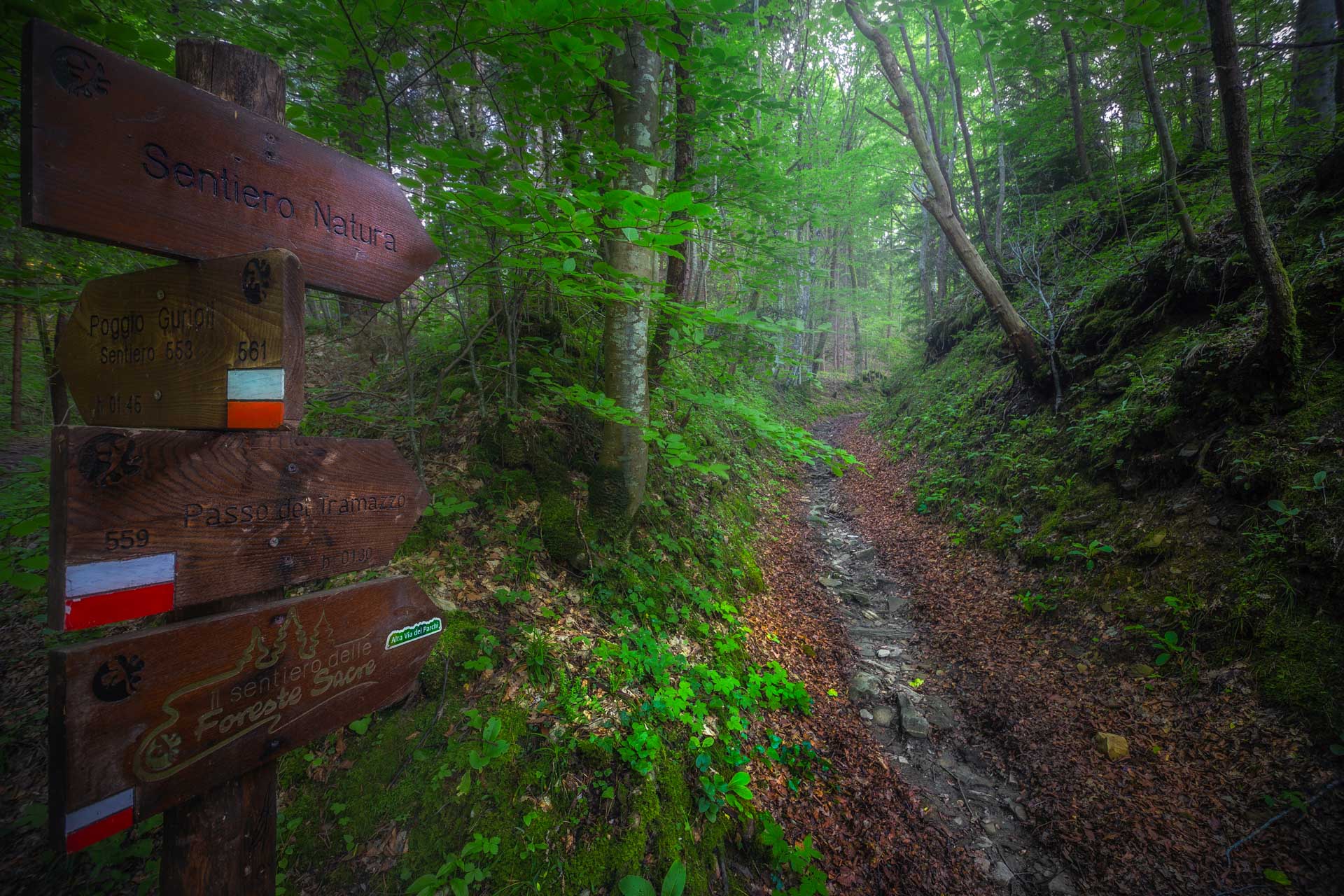
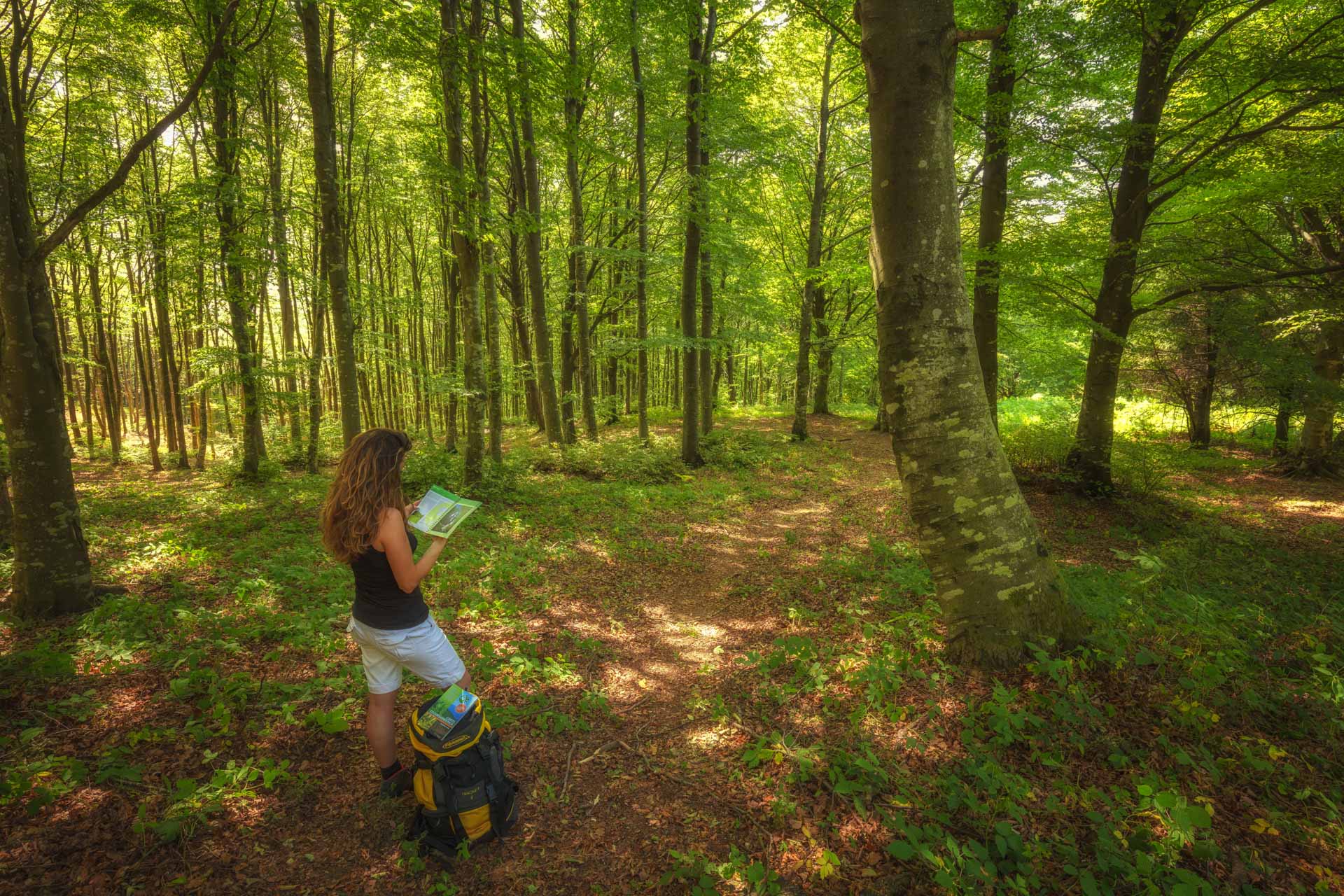
If you reach these places from the rough and wild valleys of upper Romagna, or following the River Arno along the Casentino valley floor – full of history and art – or the impressive valley of the stream Falterona on the slope of Florence, the Park will give you the chance to discover fascinating locations without abandoning the lush and thriving green mantle covering almost its whole surface area.
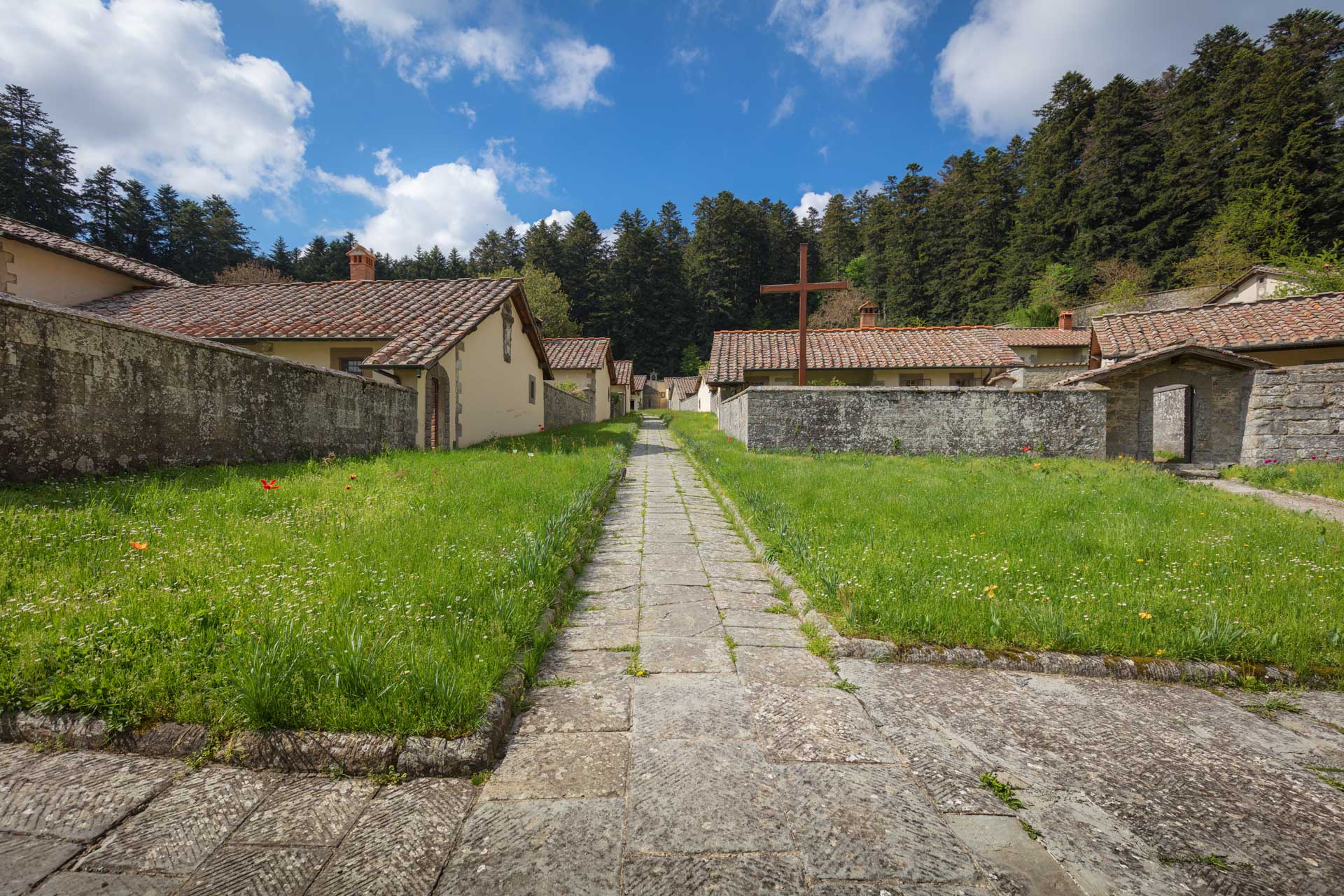
The territory includes villages rich in history, where the relationship with man has ancient roots documented since the year 1012, when Saint Romuald founded the Camaldolese Order: in fact, the monks of the Order preserved and maintained this heritage for centuries, following the rules of the famous Camaldolese Forest Code, an evidence of the connection between spiritual research and forest management.
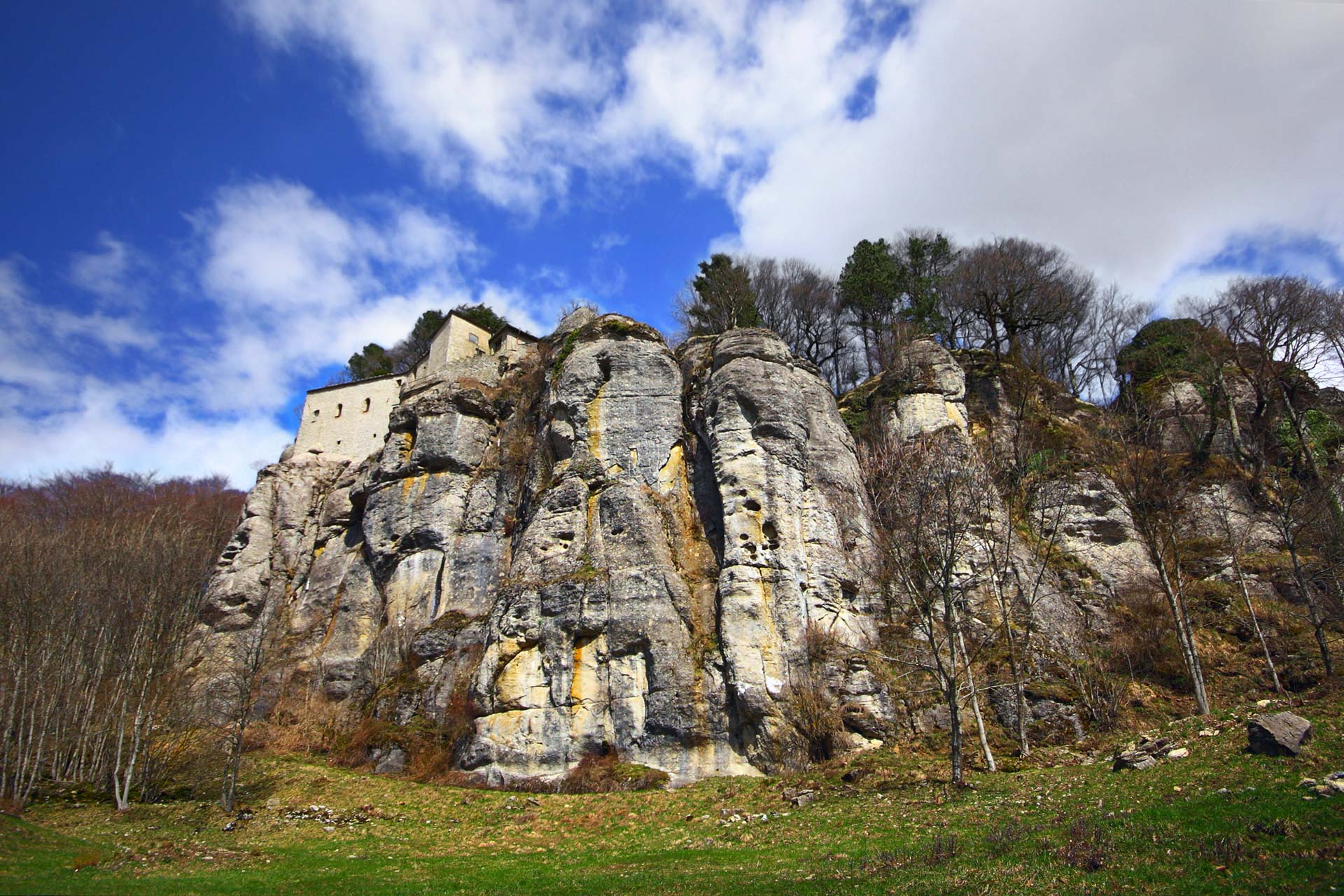
Besides, in May 1213, Count Orlando Cattani from Chiusi in Casentino donated the mountain of La Verna to Saint Francis of Assisi. The event marks the beginning of the story of one of the most mystical places in the Occident, where Saint Francis received the stigmata during the Lent of 1224. Today, the calcareous cliff of Monte Penna is covered by a forest whose rich variety has been preserved by almost eight centuries of management by the Franciscan monks, who considered the woods as part of the Creation through which the work of God manifested itself and, as such, a place to respect and venerate.
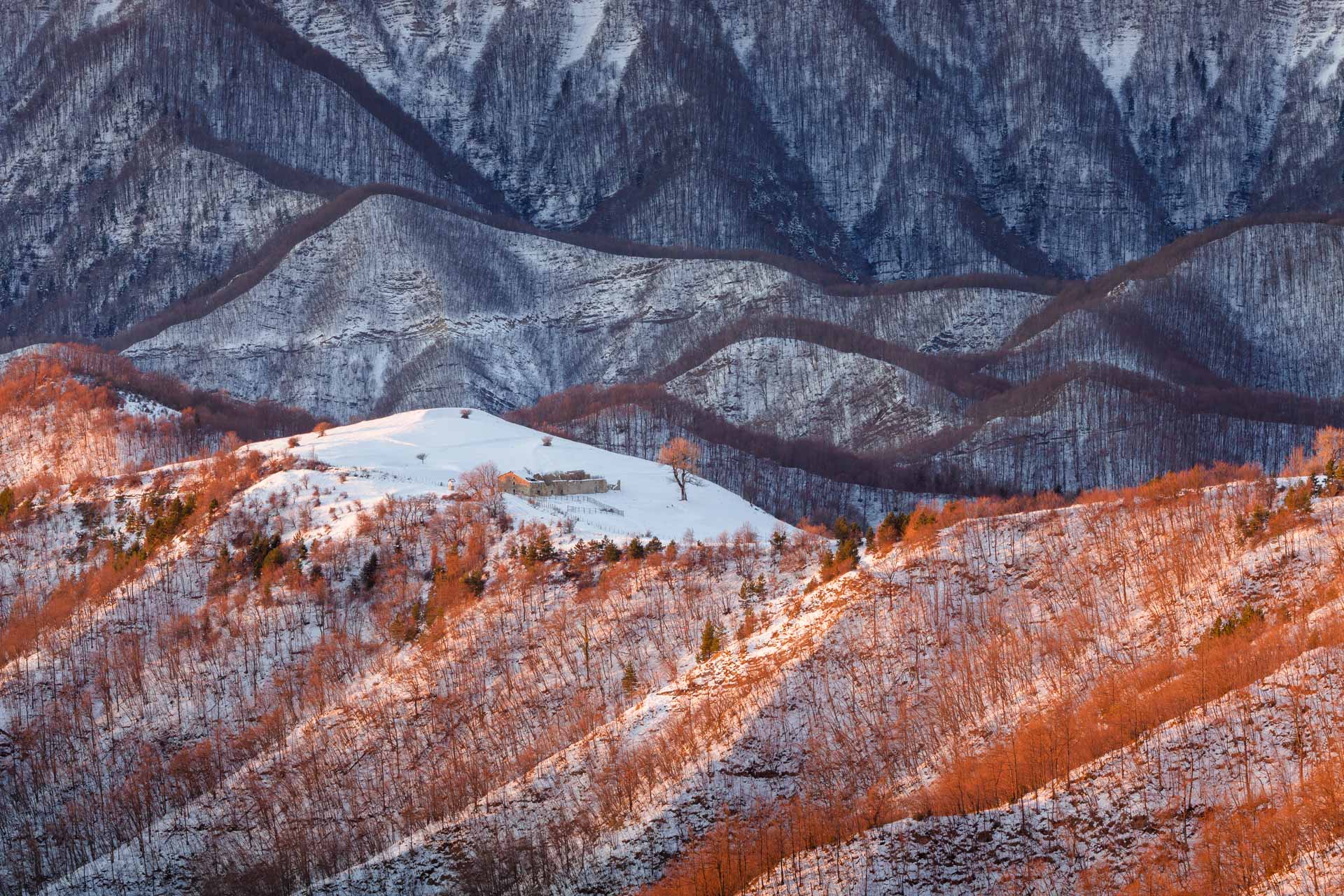
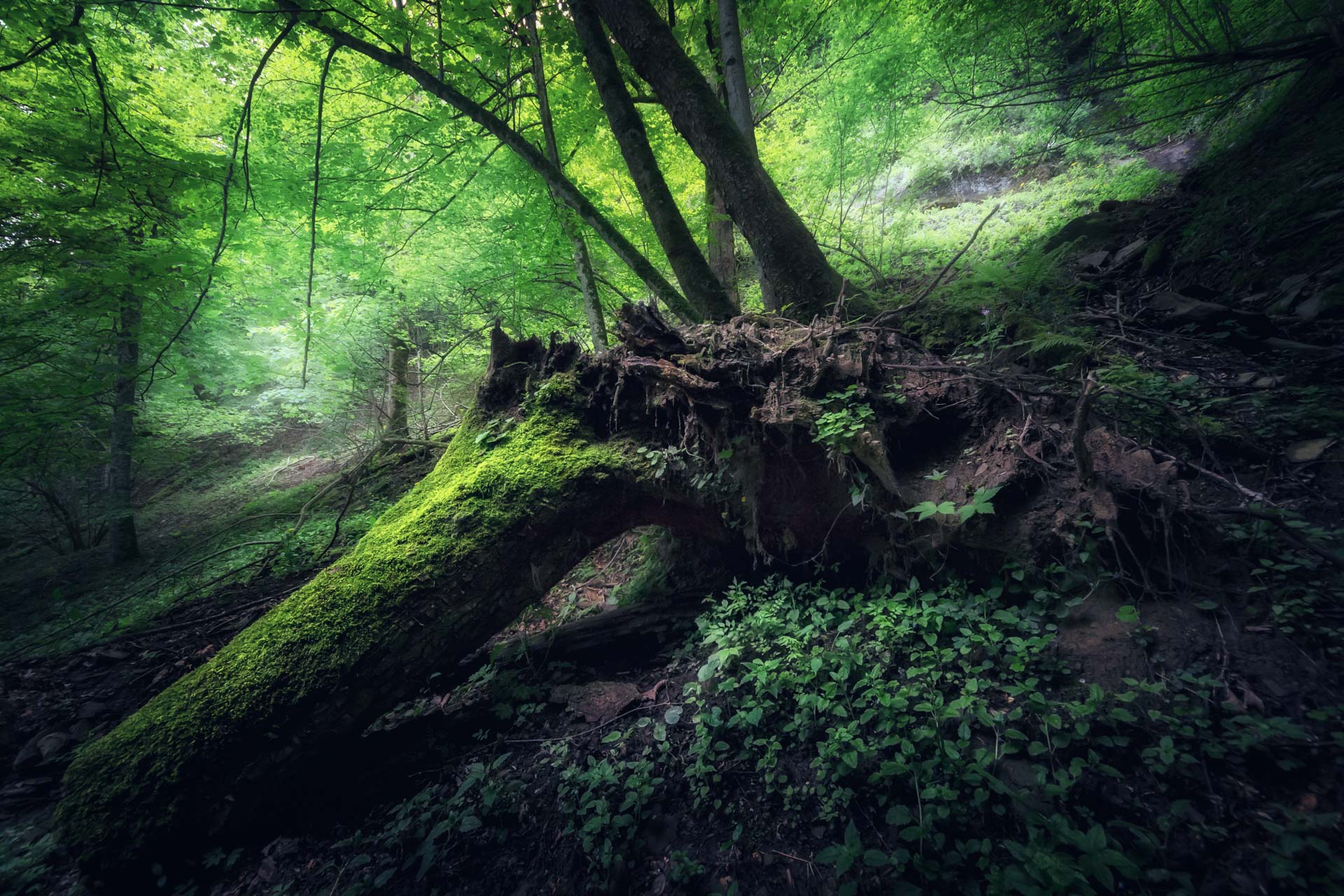
Thus, the Park represents an area where man has always lived and worked: this is the reason why its territory is scattered with several ruins and abandoned villages. Due to the massive exodus starting in the post-World War II period, the Park is currently populated by approximately 1,500 inhabitants. If on the one hand the abandonment has led to the disappearance of a whole Apennine civilization together with its ancient cultural heritage, its traditions and way of life, on the other hand it has made way for luxuriant forests and a rich biodiversity.