The area
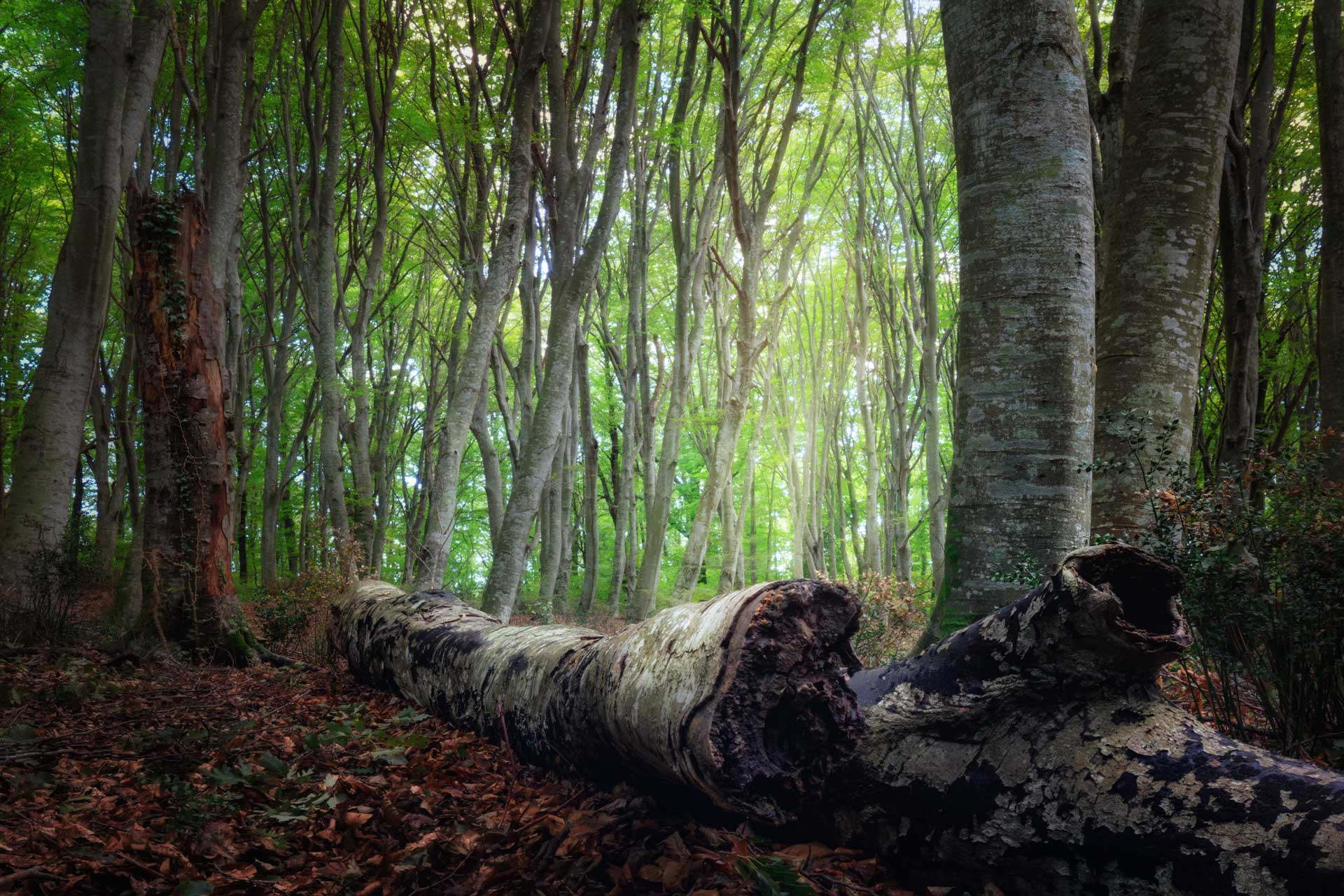
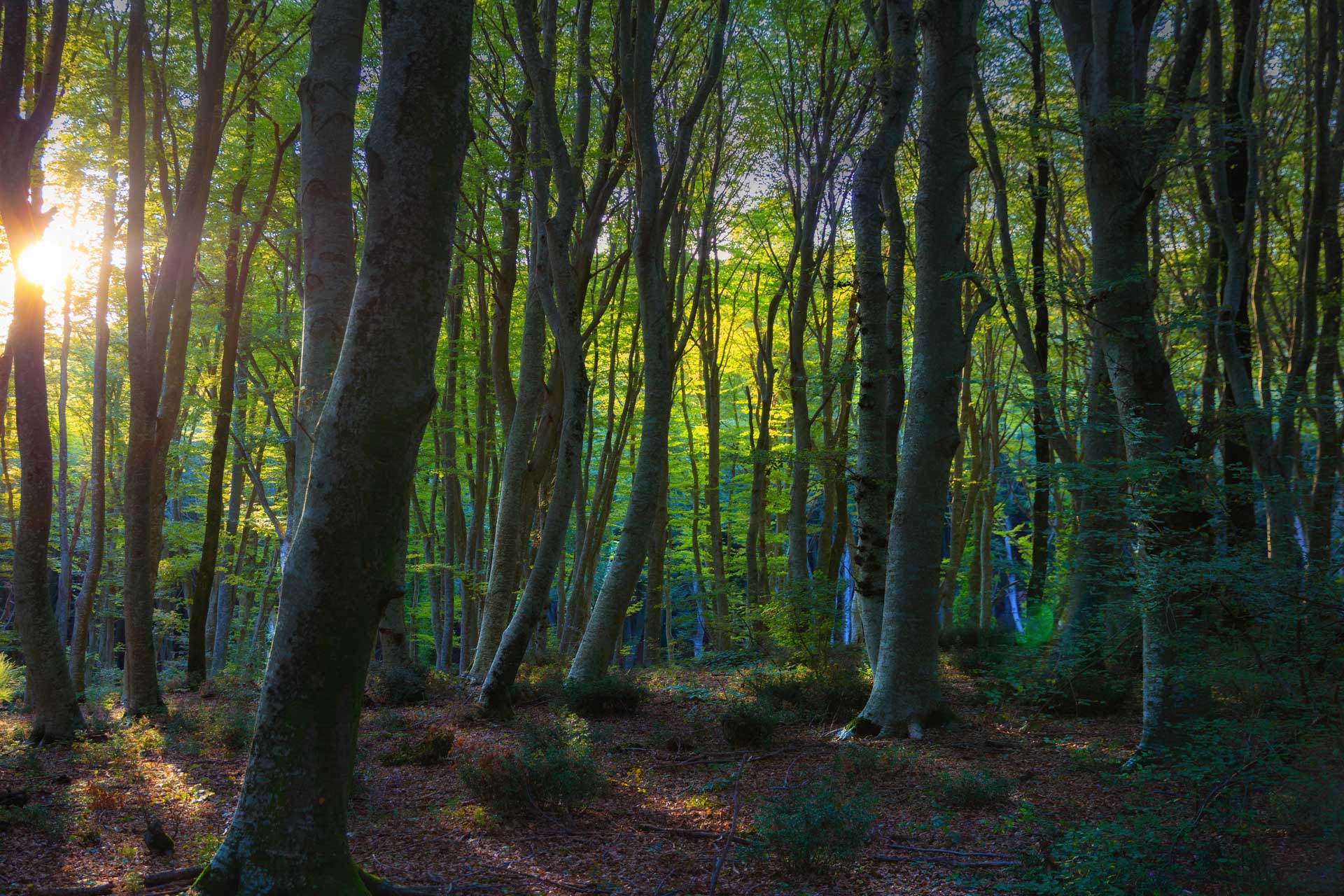
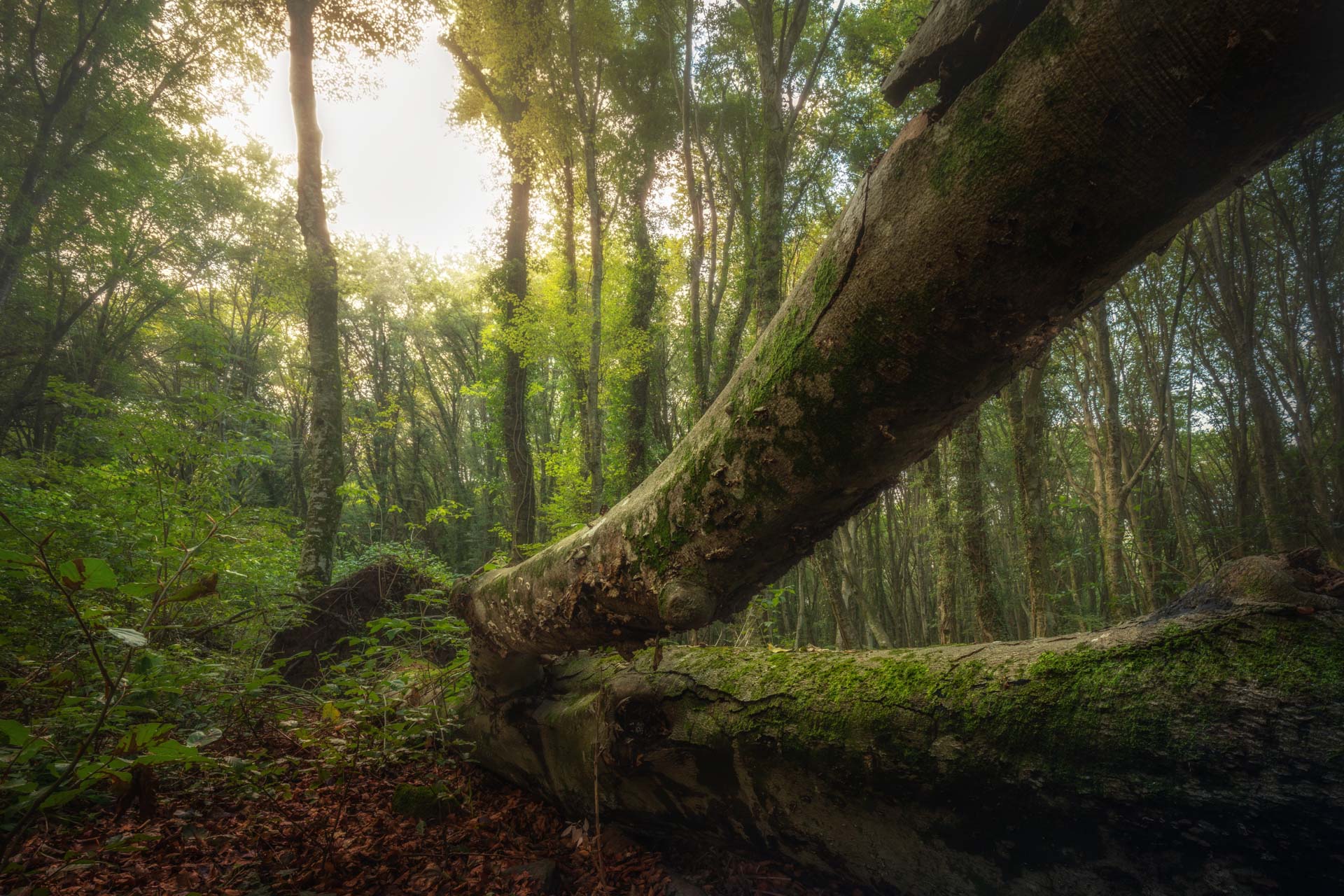
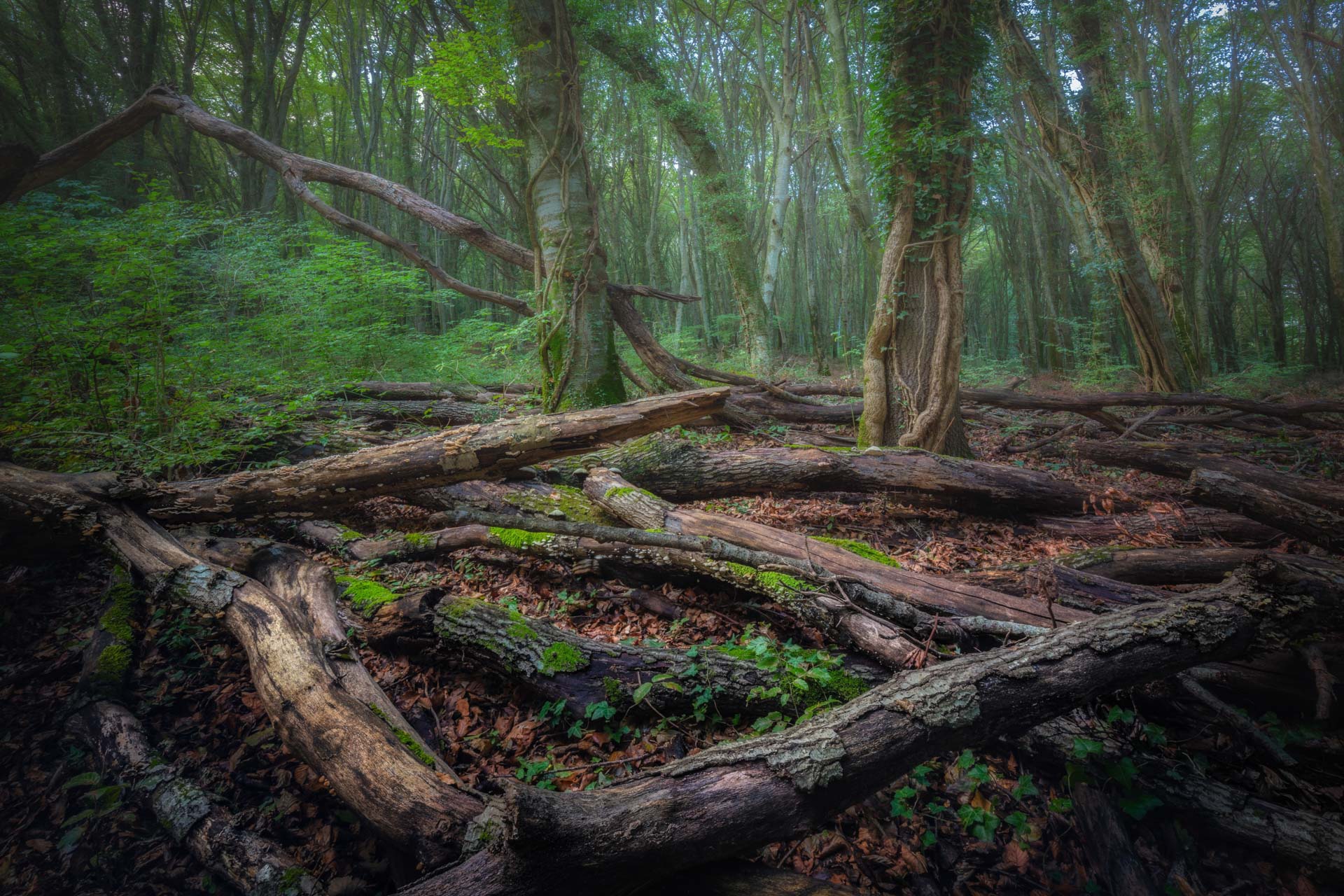
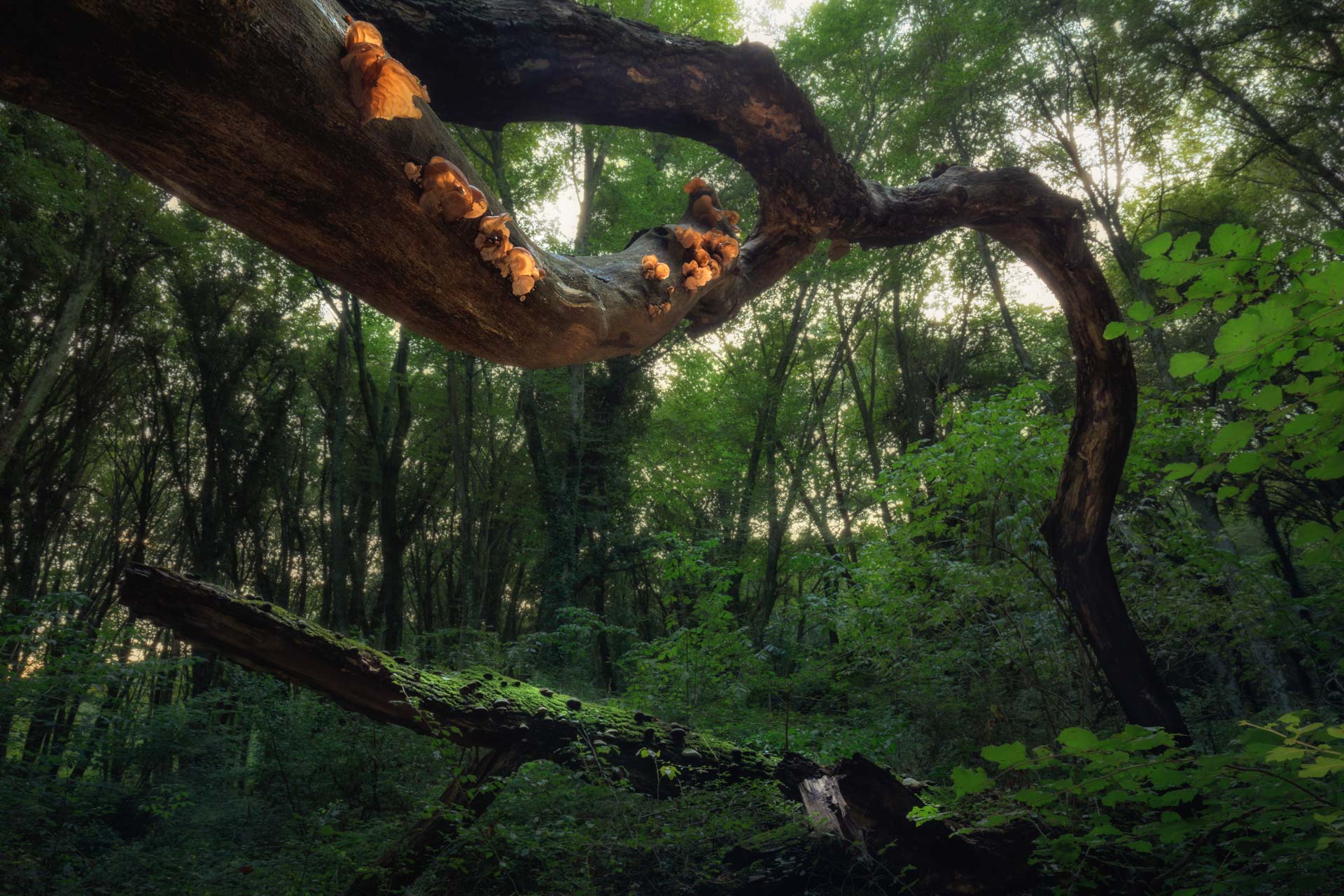
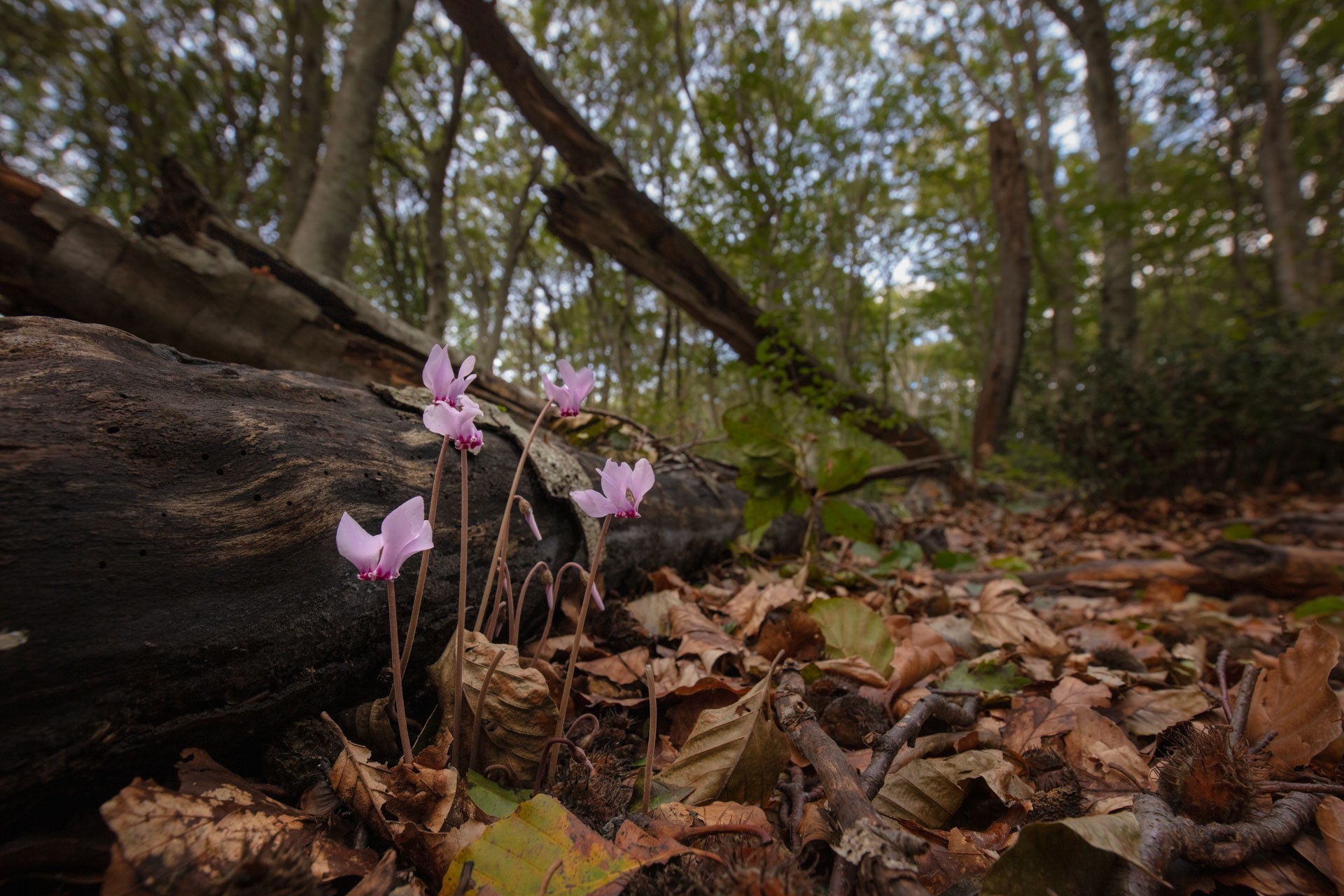
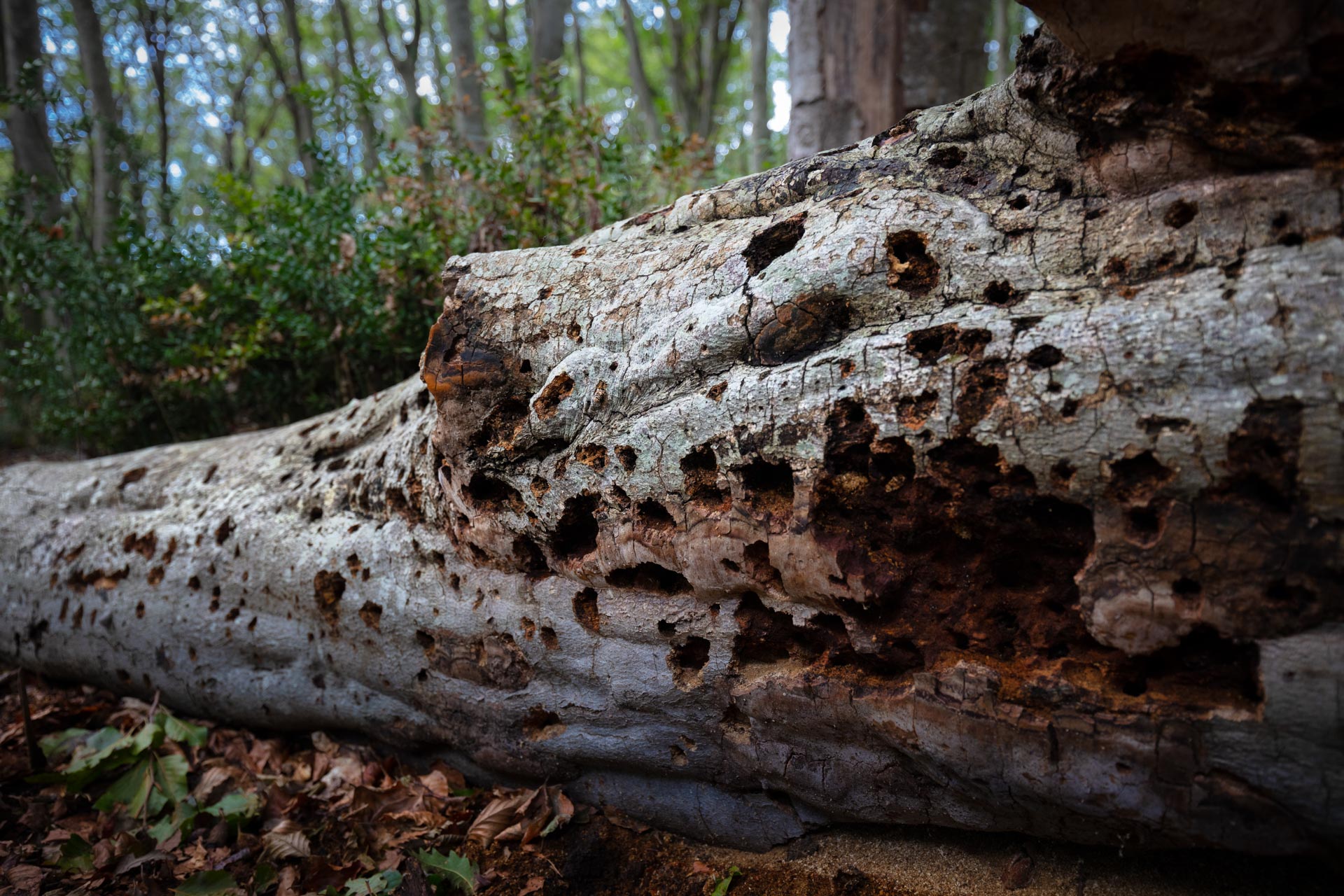
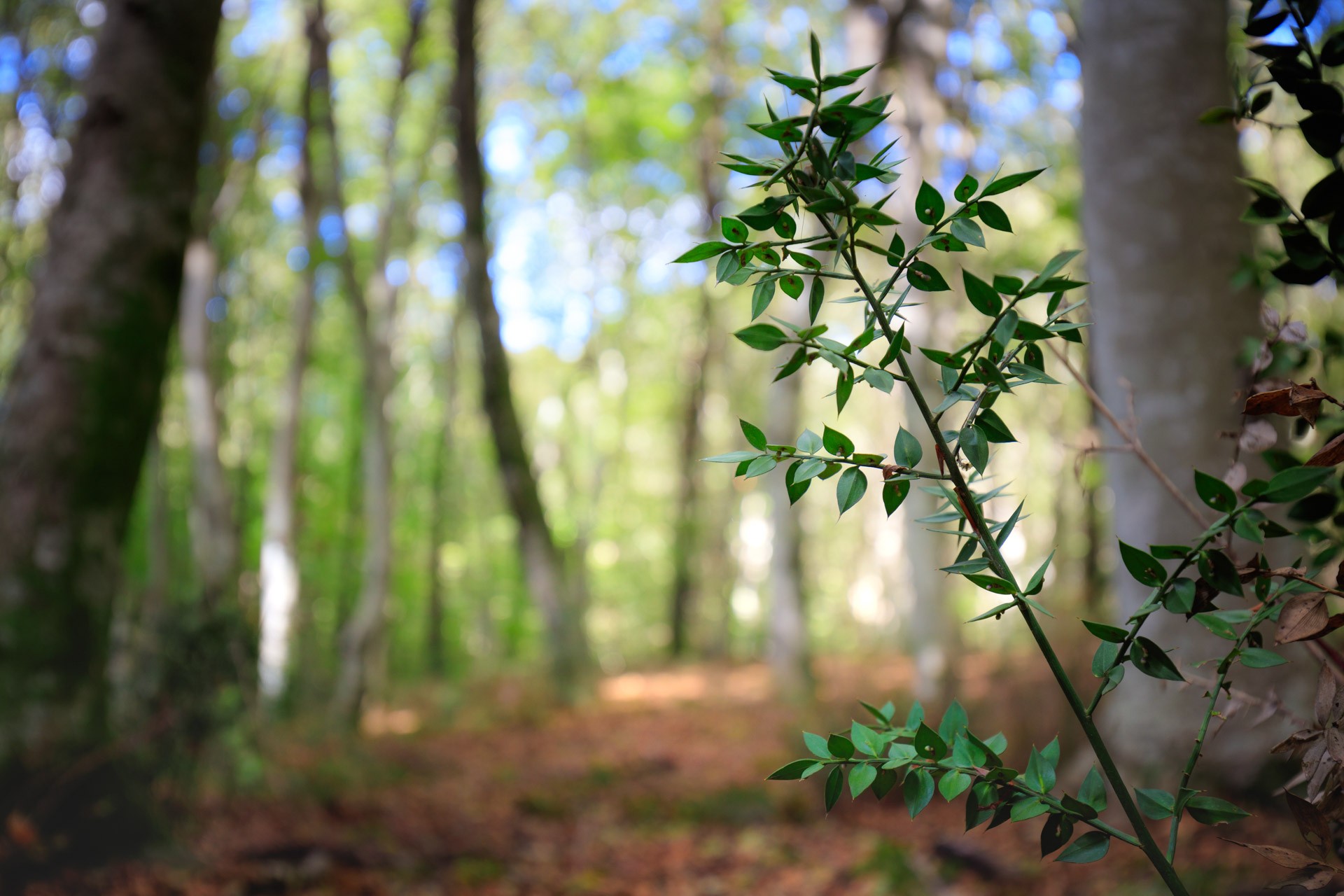
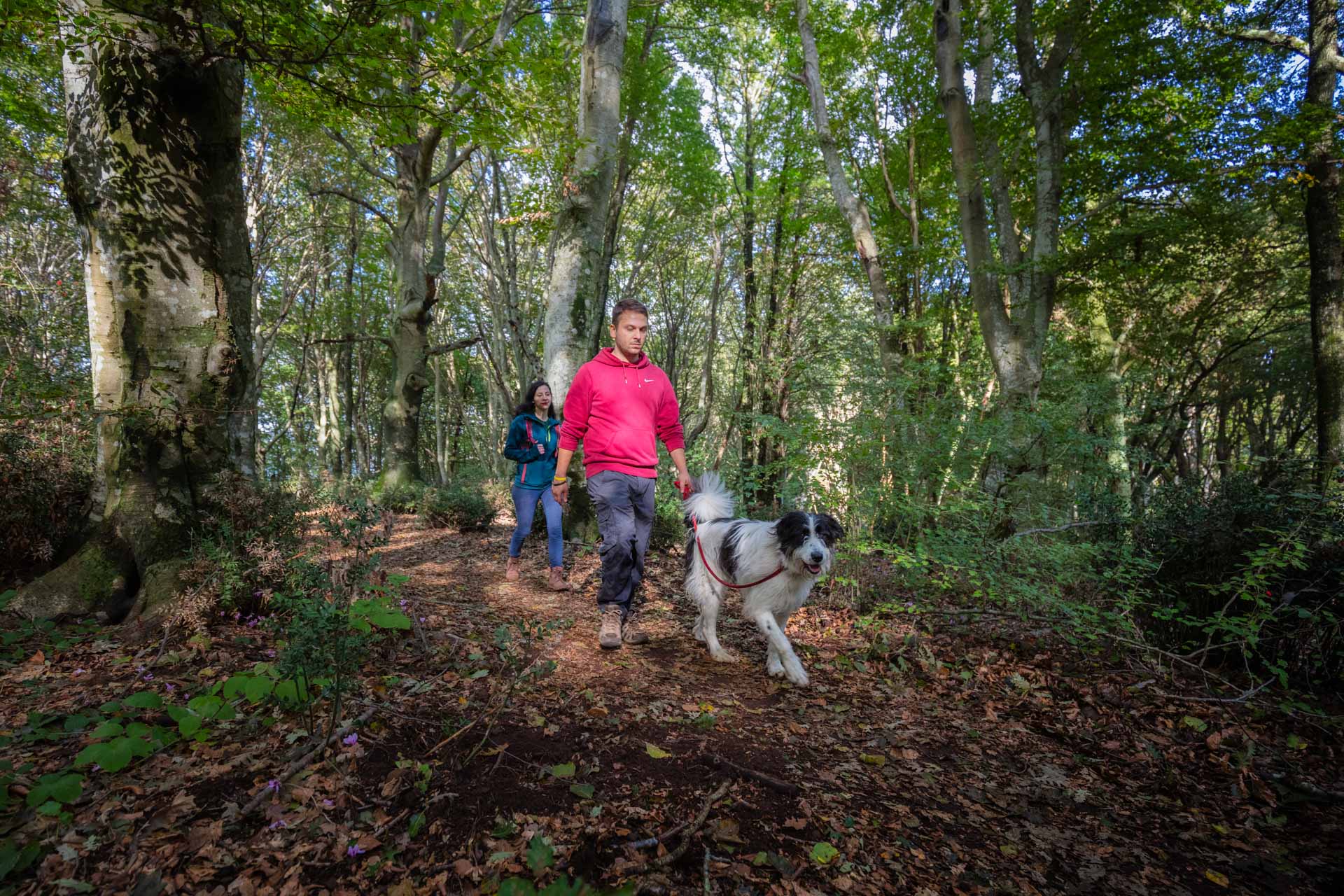
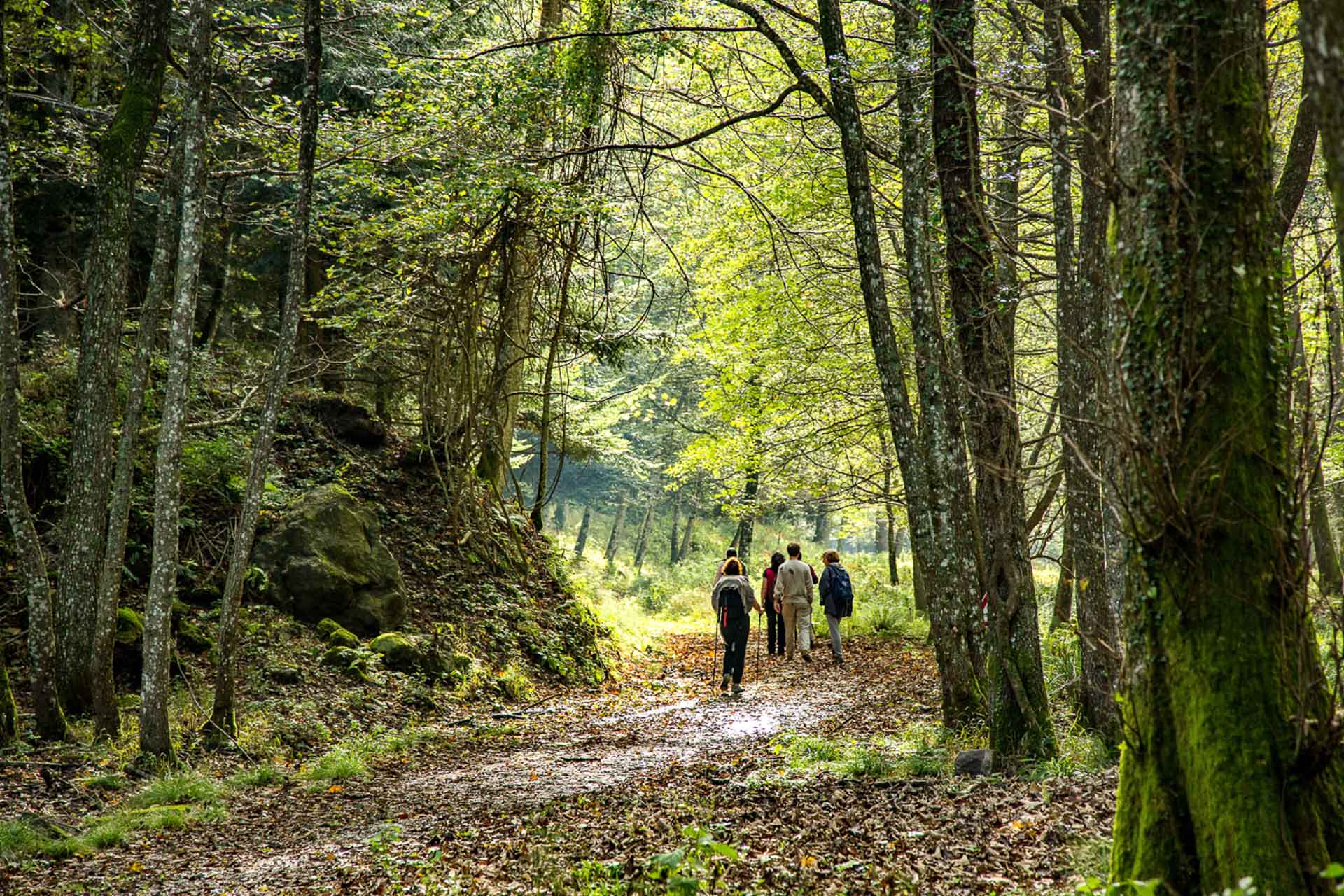
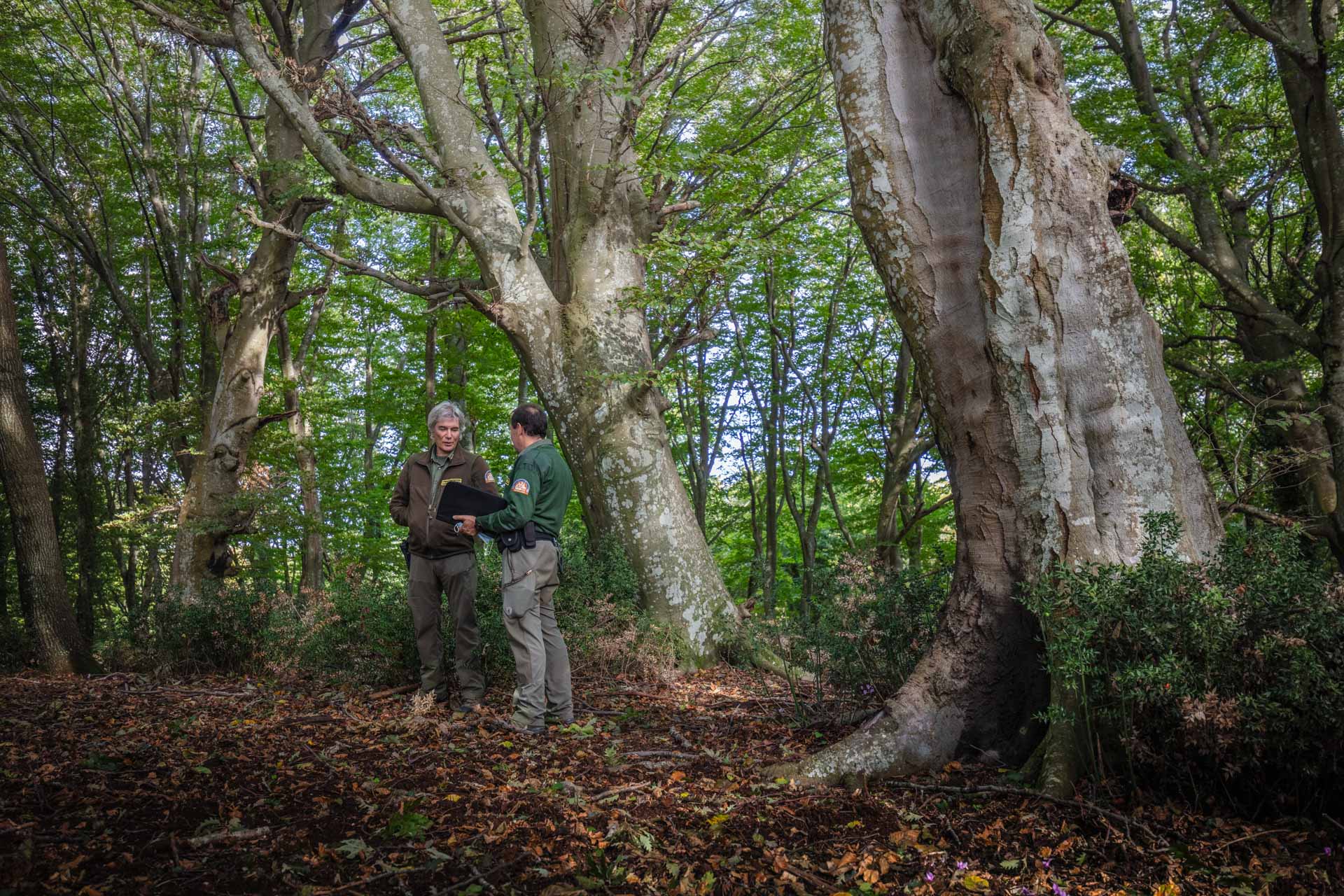
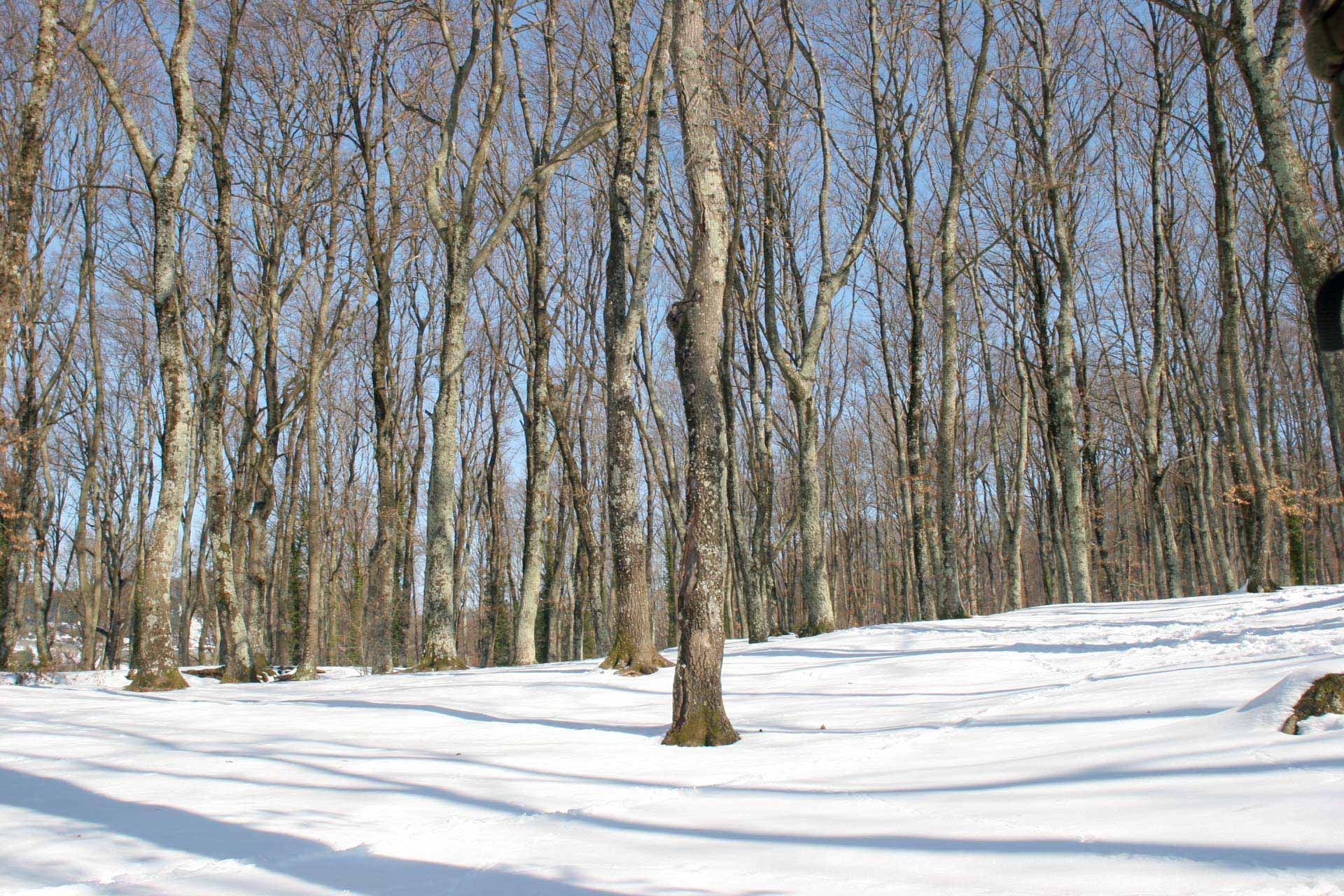
In Central Italy, the Beech Tree is a mountain forest species usually growing above 1,000 m of altitude. Yet, in the volcanic mountains of Lazio, thanks to the abundant rainfall and the favorable soil conditions, beech forests develop at lower altitudes – even at 350-400 m – with magnificent tall trees. Since these beech forests grow at a considerably lower altitude than usual, they are called “depressed” beech forests.
The most significant areas covered with beech forests are in Cimini Mountains (Monte Cimino, Monte Fogliano, and Monte Venere), in Tolfa Mountains (beech forest of Allumiere), and to a lesser degree in the area of Castelli Romani; in Bracciano-Martignano Park – which also includes Sabatini Mountains – the most important areas are represented by Monte Termine (590 m) and Monte Raschio (542 m) in the north-western section of the protected area, where a Special Conservation Area was established to safeguard them.
In the past, the characteristic thermophile beech forests were more widespread in the Park, as demonstrated by the big specimens that can still be found today on the cooler slopes of Monte Calvi and Monte Rocca Romana. Despite they never grow below 400 m, they can be found today at considerably lower altitudes than usual (700-1,300 m in the Alps and 1,000-1,300 m in the Apennines). They are wonderful examples of relict beech forest, witnessing the presence of ancient beech woodlands which, thousands of years ago, grew at much lower altitudes than today. In fact, during glaciations, the mountain vegetation zones moved towards lower altitudes because of the expansion of ice sheets; only after the retreat of ice sheets, the Beech Tree started to move again towards higher altitudes where we can currently find it, leaving sporadic beech forests at lower altitudes, where the climatic conditions were favorable.
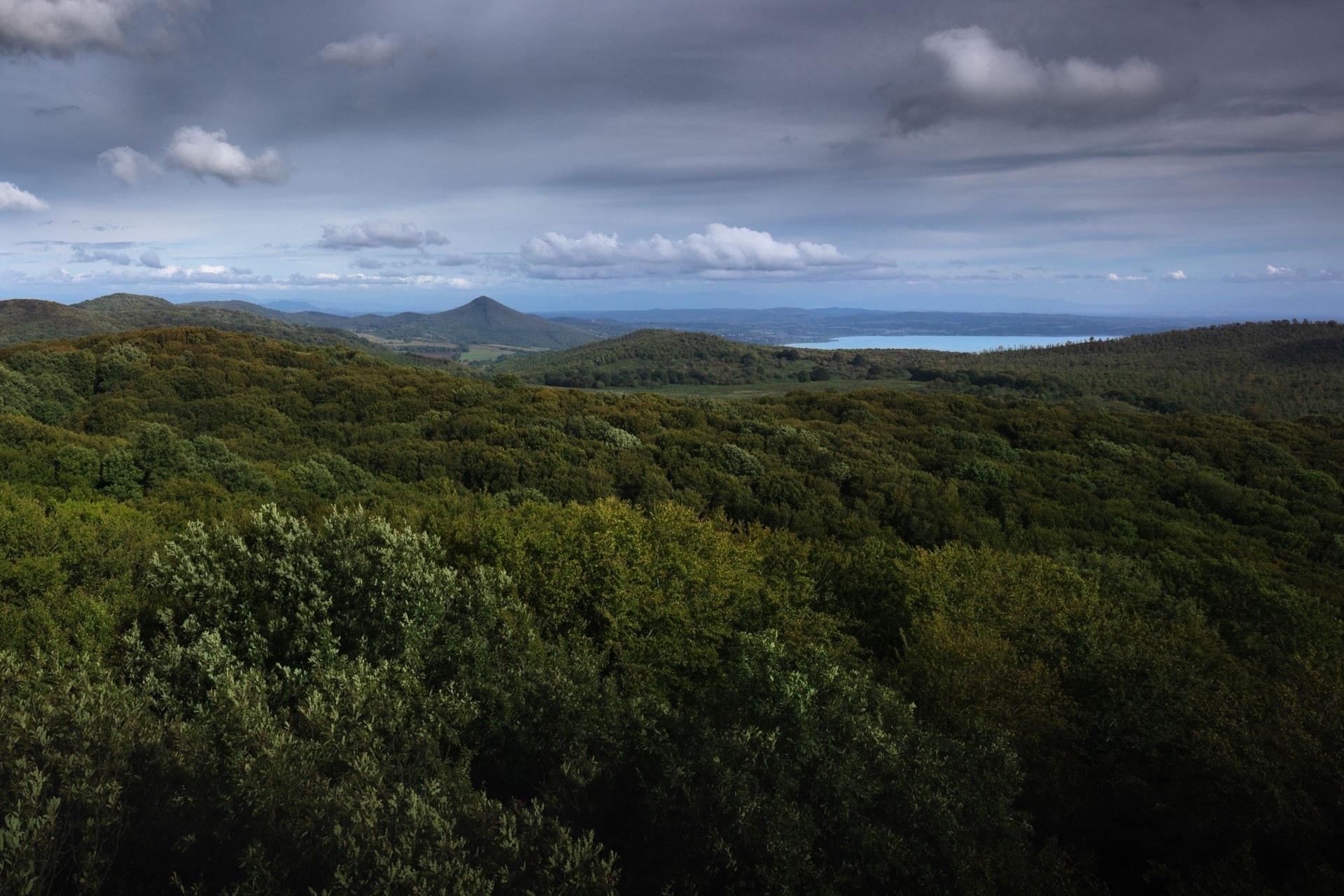
Bracciano-Martignano Regional Natural Park is the youngest park in Lazio and well represents the typical volcanic landscape characterizing most of the hills in the north of Rome.
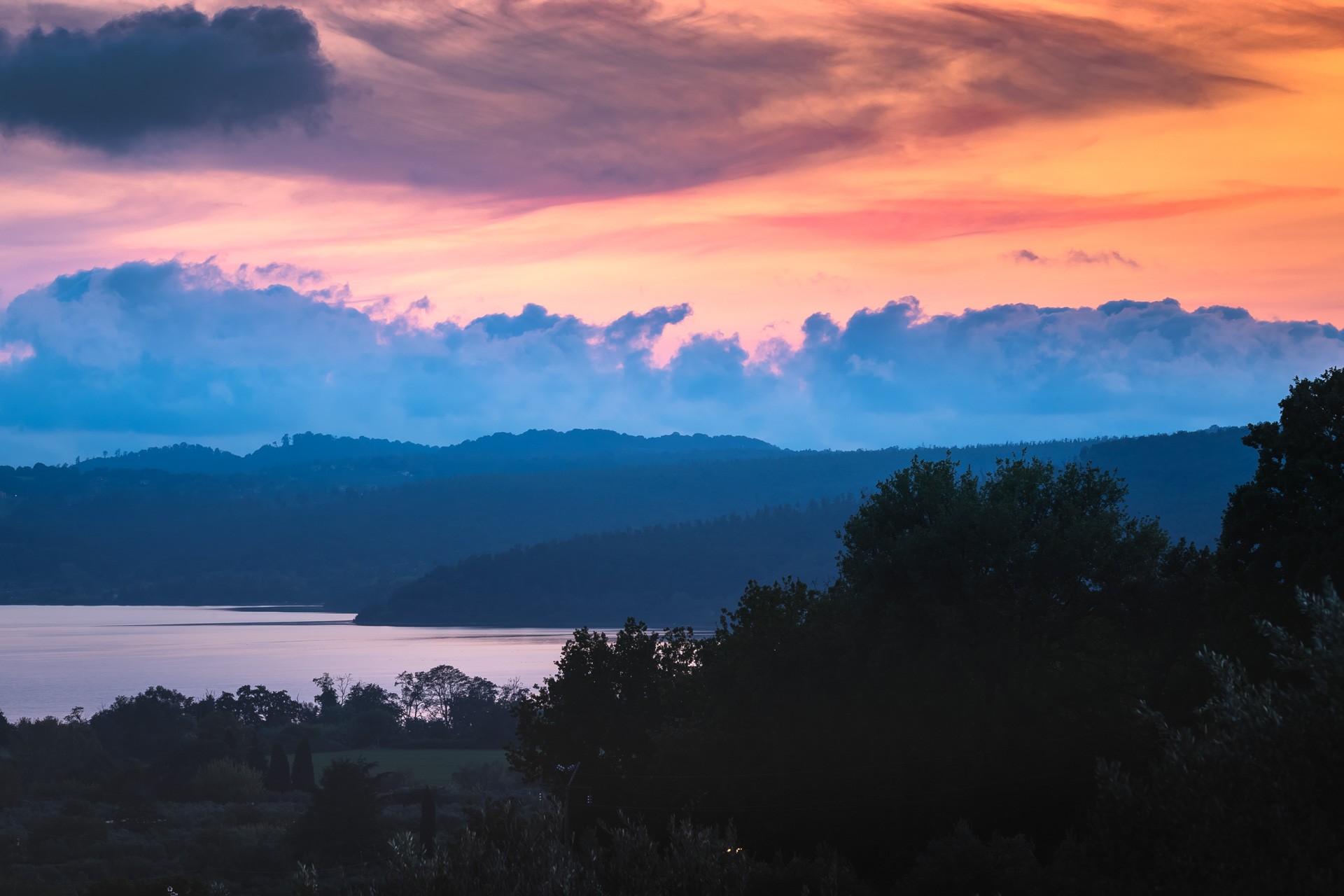
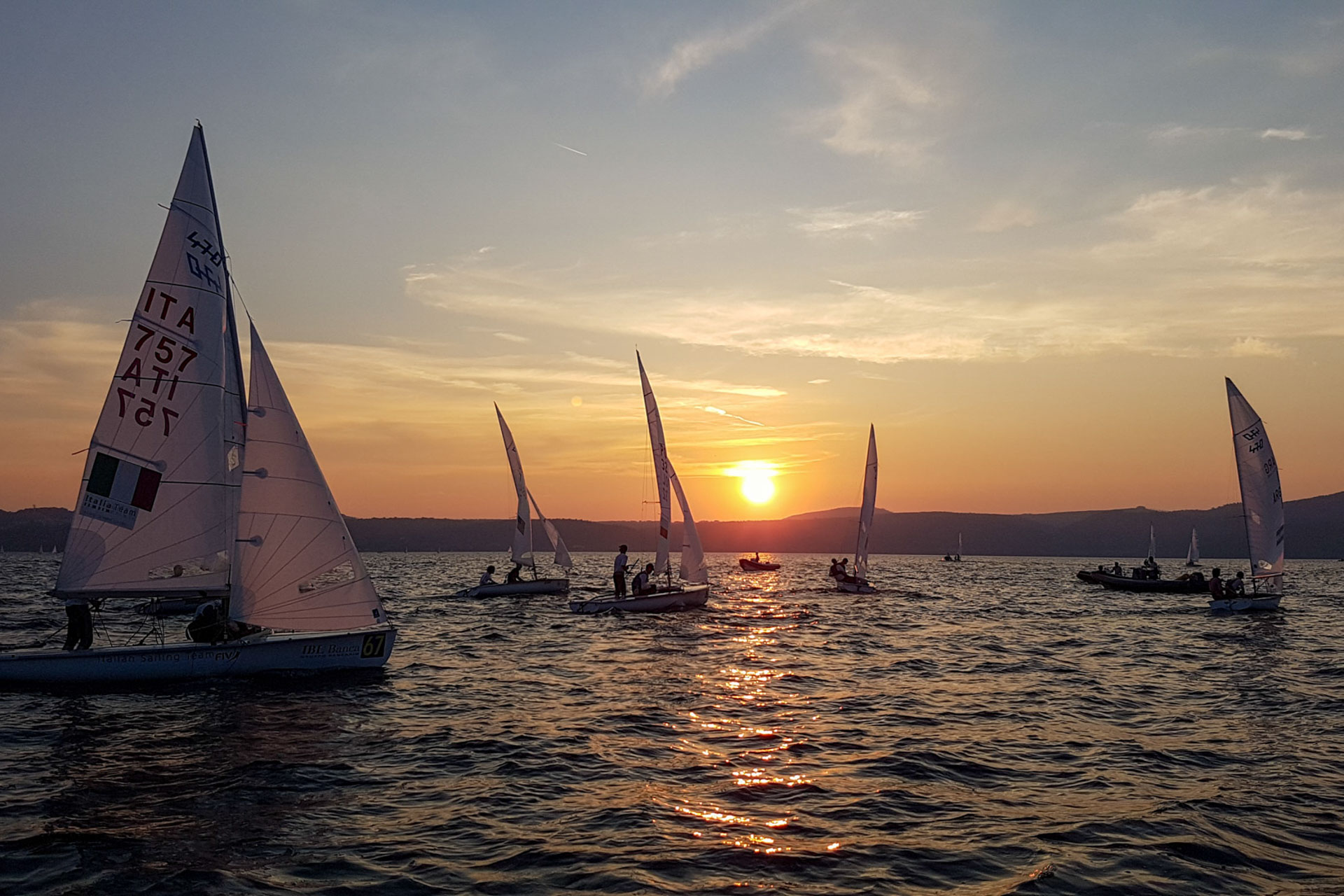
Astride the Provinces of Rome and Viterbo, it includes the two homonymous lakes – whose total size of 6,000 hectares represents about the 40 per cent of the Park area – and the adjoining countryside. Lake Bracciano is the largest, and represents a very important water reservoir for the city of Rome, which relies on it in case of emergency. The lakes occupy a basin originated from the activity of the ancient Sabatino volcano, which reached its climax about 400,000 years ago: a much deeper depression than what it seems, since Bracciano Lake reaches depths of 165 m.
The belt of hills surrounding the lake shores contributes to the Park’s variety: grazing lands and agricultural fields characterize the countryside, especially in some parts of the protected area, such as Vicarello estate. The forests on the hills mainly consist of Sweet Chestnut, probably spread by the Romans; however, it is also possible to find beech forests, like those in Oriolo and Monte Termine.